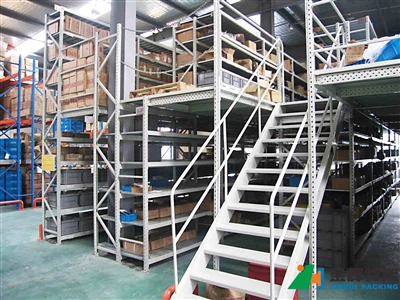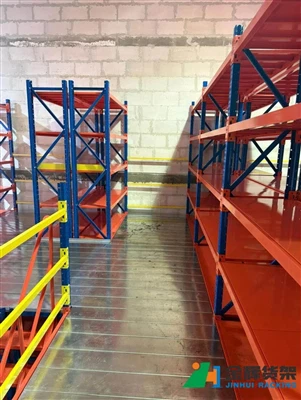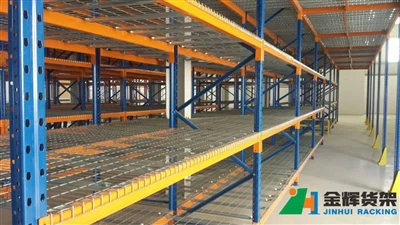
What Is Selective Pallet Racking?
Selective pallet racking is the most commonly used warehouse storage system, designed to provide direct access to every pallet. It is widely adopted across industries due to its flexibility, cost-effectiveness, and ease of installation.
Unlike high-density systems such as drive-in or shuttle racking, selective pallet racking prioritizes accessibility over storage density, making it ideal for operations with a wide variety of SKUs.
If you're new to pallet storage systems, you can start with this overview: what is a pallet racking system.
Key Components of Selective Pallet Racking
Understanding the structure of selective pallet racking is essential for proper system design and safe operation.
- Upright Frames: Provide vertical support and determine system height
- Beams: Horizontal load-bearing elements supporting pallets
- Decking: Wire mesh or steel panels for additional safety
- Base Plates: Ensure stability and load distribution
- Safety Accessories: Column protectors, guards, and barriers

Main Advantages of Selective Pallet Racking
1. 100% Accessibility
Each pallet can be accessed directly without moving others, which significantly improves picking efficiency and inventory management accuracy.
2. High Flexibility
Beam levels can be easily adjusted to accommodate different pallet sizes and load requirements.
3. Cost-Effective Solution
Selective pallet racking has lower initial investment compared to automated or high-density systems.
For a broader cost comparison, see: warehouse racking cost guide.
4. Compatibility with Standard Equipment
This system works with standard forklifts, eliminating the need for specialized handling equipment.
When Should You Choose Selective Racking?
Selective pallet racking is ideal for:
- Warehouses with a large variety of SKUs
- Fast-moving inventory operations
- Businesses requiring frequent stock rotation (FIFO)
- Facilities needing easy inventory visibility
If your priority is higher density instead of accessibility, consider comparing: drive-in vs drive-through racking.
Selective vs Other Pallet Racking Systems
| System Type | Accessibility | Storage Density | Best Use Case |
|---|---|---|---|
| Selective | High | Medium | General warehousing |
| Drive-in | Low | High | Bulk storage |
| Double Deep | Medium | High | Space optimization |
You can explore deeper comparisons here: selective vs double deep racking.
Design Considerations for Selective Pallet Racking
A well-designed system ensures safety, efficiency, and long-term ROI.
- Load capacity per beam level
- Aisle width and forklift turning radius
- Warehouse height utilization
- Future scalability
Avoid common mistakes by reviewing: warehouse racking design mistakes.
Common Mistakes to Avoid
- Overloading beams beyond rated capacity
- Ignoring safety accessories
- Poor layout planning leading to congestion
- Choosing the wrong rack depth or height
How Selective Racking Improves Warehouse Efficiency
By combining accessibility, flexibility, and cost efficiency, selective pallet racking enables:
- Faster picking operations
- Reduced labor costs
- Improved inventory control
- Better space utilization
Conclusion
Selective pallet racking remains the most widely used warehouse storage solution because it balances cost, flexibility, and accessibility. For most businesses, it provides the best starting point for building an efficient and scalable warehouse system.
At JIN HUI Rack, we specialize in designing customized pallet racking systems tailored to your warehouse layout, operational needs, and long-term growth plans.
Whether you're planning a new warehouse or upgrading an existing one, our team can help you maximize storage efficiency while ensuring safety and compliance.