Sustainable Warehouse Racking: Durability, Reuse and Lifecycle Management
Sustainability in warehouse storage is not determined by the initial purchase price or the amount of steel used in a racking system alone. It also depends on how long the equipment remains suitable for operation, how efficiently components can be maintained, whether the layout can adapt to changing storage needs, and how materials are handled at the end of their service life.
For warehouse operators planning a new facility or upgrading an existing storage area, sustainable warehouse racking means considering the entire lifecycle of the storage system. A practical approach combines appropriate structural design, durable components, regular inspection, responsible maintenance, and long-term operational flexibility.
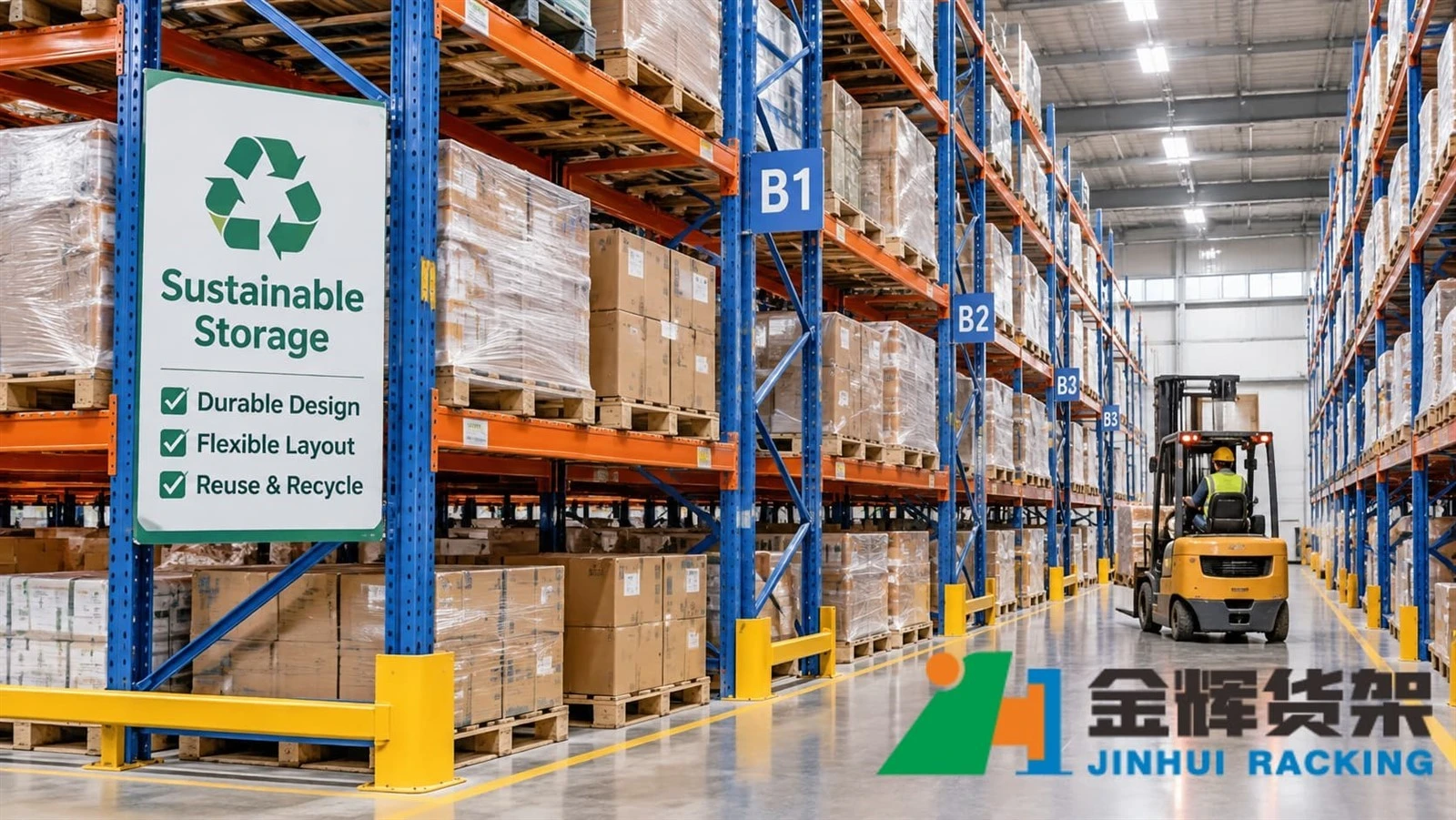
1. Why Sustainability Matters in Warehouse Racking
Warehouse racking is a long-term infrastructure investment. Once installed, it supports daily storage and material-handling activities for many years. Replacing an entire system because of poor planning, unsuitable configuration, or avoidable damage can create additional material, transportation, installation, and operational requirements.
A lifecycle-oriented approach helps warehouse operators consider more than the initial installation. Important questions include:
- Is the rack configuration suitable for the current inventory and handling equipment?
- Can beam levels or storage arrangements be adjusted when operational needs change?
- Can compatible components be inspected and reused when the layout is modified?
- Can damaged components be identified and replaced through an approved process?
- Can the system be dismantled and its materials separated responsibly at the end of its useful life?
These considerations connect storage efficiency with equipment durability and responsible resource management.
2. Choose a Rack Configuration That Matches Long-Term Storage Needs
A sustainable storage system starts with selecting a configuration that fits the warehouse's actual operating requirements. A rack system that is unsuitable for the inventory profile may create unnecessary handling movements, inefficient space use, or frequent layout changes.
Different storage systems serve different purposes:
| Rack Type | Typical Application | Lifecycle Consideration |
|---|---|---|
| Selective Pallet Racking | Warehouses requiring direct access to individual pallets | Adjustable beam levels can support changes in pallet dimensions and storage arrangements when approved by the rack designer. |
| Drive-In Racking | High-density storage for large quantities of similar products | Lane configuration should reflect inventory characteristics and forklift operating requirements. |
| Push Back Racking | Multi-pallet-deep storage with access from one operating aisle | Cart and rail components require appropriate inspection and maintenance throughout operation. |
| Pallet Flow Racking | High-density storage where FIFO inventory rotation is required | Rollers, tracks, braking elements and pallet compatibility should be considered during maintenance planning. |
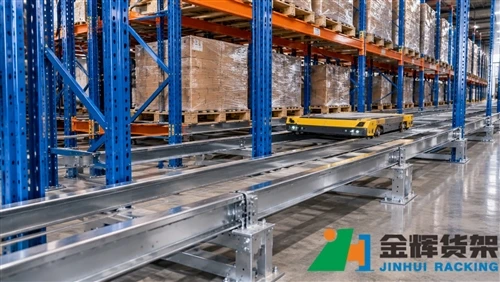
| Radio Shuttle Racking | High-density storage with shuttle-assisted pallet movement | Rack structure, rail alignment, shuttle equipment and control interfaces need coordinated lifecycle planning. |
There is no single rack type that is automatically the most sustainable for every warehouse. The appropriate choice depends on SKU variety, pallet quantities, inventory turnover, required accessibility, available space, and material-handling equipment.
Explore the available warehouse pallet racking systems to understand the different storage configurations.
3. Prioritize Structural Durability and Appropriate Design
Durability is an important part of a racking system's lifecycle. A structure should be designed according to the actual loads, dimensions, operating conditions, and applicable project requirements rather than selected only by appearance or nominal component size.
Before finalizing a rack design, review the following information:
- Pallet dimensions: Confirm pallet length, width, height, and the direction of forklift entry.
- Maximum loaded weight: Provide the gross weight of the pallet and its contents.
- Storage levels: Define the required number of beam levels and the intended storage arrangement.
- Handling equipment: Identify forklift types, operating clearances, and relevant handling limitations.
- Building conditions: Review floor conditions, clear height, columns, doors, lighting, and other obstructions.
- Environmental conditions: Identify humidity, temperature, corrosive exposure, or other conditions that may affect material and finish selection.
Correct engineering inputs help reduce the likelihood of avoidable redesigns and unsuitable equipment selection. Structural capacity, connections, anchorage, and other design details should be verified through project-specific engineering documentation.
4. Use Flexible Configurations to Extend Practical Service Life
Warehouse requirements rarely remain unchanged throughout the life of a facility. Businesses may introduce new product sizes, change inventory policies, increase storage quantities, or use different material-handling equipment.
Where the rack system is designed to allow adjustment, some changes may be accommodated without replacing the entire installation.
Examples include:
- Repositioning beam levels to suit different pallet heights.
- Adding compatible rack bays when additional approved storage space becomes available.
- Reorganizing storage zones to reflect changes in inventory turnover.
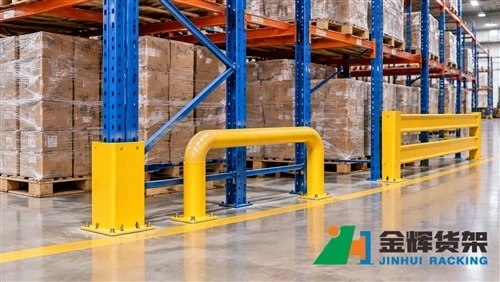
- Integrating suitable rack protection or accessories based on operational risk assessments.
- Planning future extensions around the existing warehouse layout and equipment.
However, flexibility does not mean that rack components can be moved or exchanged without technical review. Changes to beam positions, bay arrangements, loads, bracing, or structural connections may affect the approved configuration. Any modification should be checked against the manufacturer's documentation and the relevant engineering requirements.
5. Maintain and Repair Components Instead of Replacing Equipment Unnecessarily
Regular inspection and appropriate maintenance help identify deterioration before it develops into a more serious operational issue. They can also help warehouse operators make informed decisions about whether a component can remain in service, requires repair under an approved procedure, or must be replaced.
Important inspection areas include:
- Upright frames: Check for impact damage, deformation, corrosion, and changes to structural alignment.
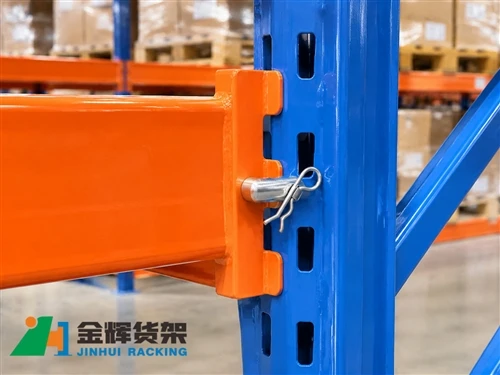
- Beam connections: Inspect connector engagement, locking devices, and visible damage around connection points.
- Bracing members: Look for deformation, missing components, loose connections, or signs of impact.
- Base plates and anchors: Check for visible damage, displacement, and conditions requiring engineering assessment.
- Moving components: For dynamic systems, inspect relevant rollers, carts, rails, wheels, and mechanical interfaces according to the manufacturer's maintenance instructions.
- Surface condition: Monitor coating damage and corrosion, particularly in demanding warehouse environments.
Damaged structural components should not be reused simply because they appear repairable. Replacement, repair, or continued use must follow an approved technical assessment. Unauthorized welding, drilling, straightening, or modification may compromise structural performance.
6. Consider Surface Protection and Warehouse Conditions
The service life of steel racking can be affected by the environment in which it operates. Moisture, condensation, cleaning chemicals, temperature changes, and corrosive substances may influence the condition of protective coatings and exposed steel surfaces.
When selecting a rack finish, consider:
- Indoor or outdoor installation conditions.
- Expected humidity and condensation exposure.
- Cleaning methods and chemicals used in the facility.
- Potential contact with corrosive substances.
- Inspection and maintenance accessibility.
Painted, powder-coated, or galvanized finishes may be considered according to the application and manufacturer's available options. No finish should be assumed suitable for every environment without checking its specifications and compatibility with the operating conditions.
7. Plan for Component Reuse During Warehouse Relocation or Expansion
When a warehouse relocates or expands, some existing racking components may have potential for reuse. Reuse can reduce the need to purchase new components, but it requires careful verification rather than a simple transfer from one site to another.
Before reusing existing rack components, review:
- Component identification: Record the manufacturer, component type, dimensions, and available technical documentation.
- Physical condition: Inspect for impact damage, deformation, corrosion, missing parts, and previous unauthorized modifications.
- Configuration compatibility: Confirm that frames, beams, connectors, bracing, and accessories are compatible with the proposed arrangement.
- Load requirements: Reassess the intended pallet weights, beam levels, bay configuration, and structural design conditions.
- Site compatibility: Review floor conditions, anchorage requirements, clearances, and material-handling equipment at the new location.
- Technical approval: Obtain the necessary engineering review before reinstalling the components.
Components that cannot be verified as suitable should not be incorporated into the new installation. Reuse should always be based on documented condition and compatibility, not simply on the fact that the parts were previously in service.
8. Manage Steel Materials Responsibly at the End of Their Service Life
Steel is a recyclable material, but responsible recycling depends on collection, sorting, processing facilities, and local waste-management arrangements. Warehouse operators can support better material recovery by planning for dismantling and separating components when a rack system reaches the end of its useful life.
Practical considerations include:
- Separate steel components from non-metal accessories where practical.
- Identify components that may be suitable for approved reuse.
- Keep material records where required by company procedures.
- Use qualified contractors for dismantling and material handling.
- Follow local requirements for recycling and industrial waste disposal.
Rack dismantling should be planned to control structural stability and workplace risks. Components must not be removed in a way that leaves an unstable structure or creates hazards for nearby workers and equipment.
9. Build Lifecycle Management Into Warehouse Planning
A practical lifecycle plan connects the design, installation, inspection, maintenance, modification, and eventual removal of the racking system. It also gives warehouse managers a consistent record of the equipment's condition and configuration.
A basic lifecycle management record can include:
| Lifecycle Stage | Recommended Records |
|---|---|
| Project design | Approved layouts, load information, component specifications, and design documents. |
| Installation | Installation checks, anchorage records, inspection results, and as-built drawings. |
| Daily operation | Operating procedures, load notices, damage reports, and staff training records. |
| Maintenance | Inspection schedules, repair assessments, replacement records, and corrective actions. |
| Modification | Engineering approvals, revised layouts, component compatibility checks, and updated load information. |
| End of service life | Dismantling plans, reuse assessments, recycling records, and disposal documentation. |
Maintaining these records makes it easier to understand the history of the installation and supports better decisions when the warehouse changes its storage requirements.
10. Common Mistakes That Reduce Racking Lifecycle Value
Several practices can undermine the long-term value of a warehouse racking investment:
- Choosing only by initial price: A low purchase price does not guarantee that the system suits the warehouse's long-term operating requirements.
- Ignoring future changes: A layout designed without considering possible inventory or equipment changes may require avoidable modifications.
- Reusing unverified components: Previously installed parts must be inspected and checked for compatibility before reuse.
- Delaying damage reporting: Unreported impacts and visible defects can make maintenance decisions more difficult.
- Making unauthorized modifications: Changes to structural members or connections may affect the approved design.
- Ignoring end-of-life planning: Unplanned dismantling and disposal can create unnecessary material-handling and waste-management challenges.
Frequently Asked Questions
What makes a warehouse racking system sustainable?
A sustainable racking system is designed for its intended application, maintained appropriately, and managed throughout its service life. Durability, suitable configuration, component compatibility, repair planning, and responsible material recovery all contribute to lifecycle performance.
Can existing pallet racking be reused in a new warehouse?
Some components may be reusable if their condition, specifications, structural compatibility, load requirements, and suitability for the new site are verified. A qualified technical assessment should be completed before reinstallation.
Does adjustable pallet racking help extend equipment service life?
Adjustable beam levels can help a suitable selective racking system accommodate changes in pallet height and storage arrangements. However, adjustments must remain within the approved design and load requirements.
How can warehouse operators reduce unnecessary rack replacement?
They can start with appropriate project design, establish regular inspection and maintenance procedures, report damage promptly, and evaluate compatible component reuse when layouts change. Structural repairs and modifications must follow approved technical procedures.
Can steel pallet racking be recycled?
Steel components can generally enter established metal recycling streams when they are collected and processed through suitable facilities. Actual recycling arrangements depend on local infrastructure, material condition, and waste-management requirements.
Conclusion
Sustainable warehouse racking is a lifecycle management approach rather than a single product feature. Selecting an appropriate rack configuration, designing for actual operating conditions, maintaining components, evaluating reuse carefully, and planning responsible material recovery can all contribute to better long-term resource management.
For warehouse operators, the most practical starting point is to consider the full service life of the storage system before installation. A well-planned racking project can support changing inventory requirements while helping avoid unnecessary replacement, unsuitable modifications, and unmanaged end-of-life disposal.
Contact Us
Looking for a warehouse racking solution designed around your storage requirements and long-term operational needs? JINHUI RACK provides customized warehouse storage systems for different industrial and logistics applications.
Share your warehouse layout, pallet dimensions, maximum load, storage capacity requirements, and operating conditions with our team to discuss a suitable solution.
Email: info@jhrack.com
WhatsApp: +86 185 0252 7163