Not Starting with a Real Layout Plan
One of the most frequent mistakes is selecting a racking system before creating a proper warehouse layout. Many buyers choose a system based on price or popularity, only to realize later that it doesn't fit their actual space or workflow.
A warehouse layout should always come first. It determines aisle width, storage capacity, and operational flow.
If you're unsure how to approach this, you can refer to our guide on choosing the right warehouse racking system.
Ignoring Forklift Requirements
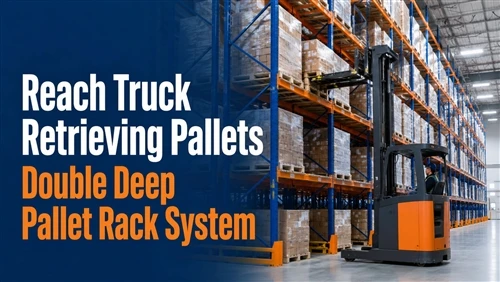
Racking design is closely tied to forklift operation, yet this is often overlooked.
Different forklifts require different aisle widths. Designing aisles that are too narrow can slow down operations or even make the system unusable.
On the other hand, overly wide aisles waste valuable storage space. The right balance must be calculated based on equipment specifications.
Focusing Only on Storage, Not Efficiency
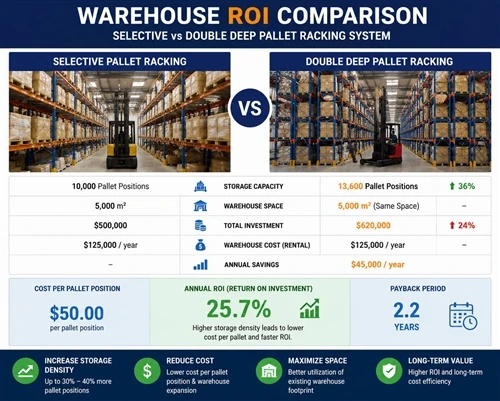
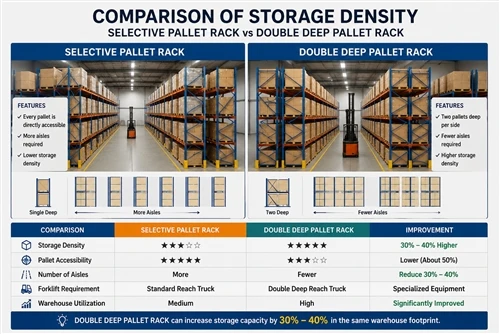
Maximizing pallet positions is important-but it should not come at the cost of efficiency.
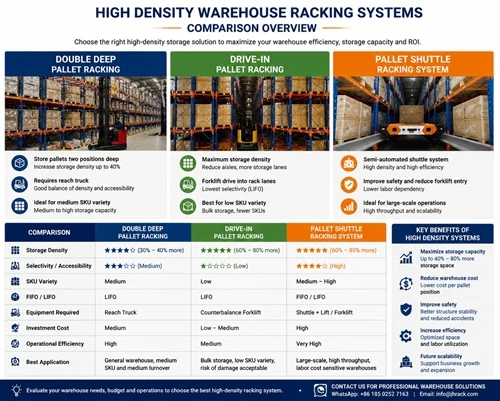
For example, high-density systems like drive-in racking increase storage capacity but reduce accessibility. This trade-off must match your inventory turnover.
Many warehouses that prioritize density alone end up with slower operations and higher labor costs.
Incorrect Load Capacity Planning
Underestimating or overestimating load capacity can both create problems.
- Underestimating leads to safety risks
- Overestimating increases unnecessary costs
Proper load calculation should consider pallet weight, beam capacity, and long-term usage conditions.
For more details, you can read our article on pallet racking load capacity.

Choosing the Wrong Racking Type
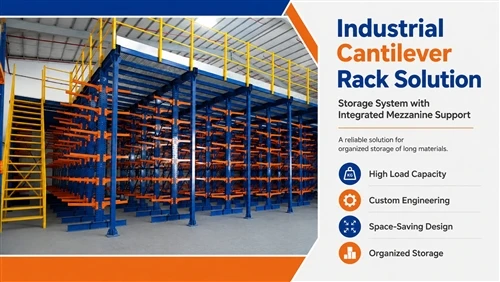
Not all racking systems are suitable for every warehouse. A mismatch between system type and operation is a common issue.
For example:
- Selective racking for high SKU variety
- Drive-in racking for bulk storage
- Shuttle racking for high efficiency operations
Choosing the wrong system can lead to long-term inefficiencies and costly redesigns.
Overlooking Safety and Protection
Safety is often treated as an afterthought, but it should be integrated into the design phase.
Missing safety elements such as column protectors, guide rails, or proper anchoring can result in frequent damage and higher maintenance costs.
No Plan for Future Expansion
Many warehouses are designed only for current needs, without considering future growth.
As business expands, this leads to space shortages or the need for costly redesigns.
A scalable design allows for:
- Additional racking rows
- Layout adjustments
- Automation upgrades
Lack of Professional Guidance
Perhaps the biggest mistake is trying to design a system without professional support.
In many projects we've handled, clients came to us after experiencing inefficiencies or safety issues caused by poor initial planning.
A professional approach includes layout design, load calculation, system selection, and installation support-all working together.
Conclusion
Warehouse racking design mistakes can lead to long-term operational issues, safety risks, and unnecessary costs.
By understanding these common problems and addressing them early, you can create a system that is efficient, safe, and scalable.
Need Expert Advice for Your Warehouse?
If you're planning a new warehouse or want to optimize your current layout, our team can help you avoid these costly mistakes and design the right solution.