Mezzanine Rack Safety Requirements for Warehouses
Warehouse mezzanine systems are highly effective for increasing storage capacity, but safety is always the top priority. Proper safety measures ensure structural stability, protect personnel, and maintain compliance with local regulations.
Whether you are installing a new pallet rack mezzanine system or expanding an existing warehouse, understanding safety requirements is critical.
1. Load Capacity Compliance
Mezzanine systems must be designed to safely handle the intended live and dead loads. Exceeding load limits can result in structural failure or collapse.
Key considerations:
- Static vs dynamic loads
- Palletized product weight
- Personnel traffic load
- Equipment and material handling impact
Professional engineering calculations are essential to verify load capacities.
2. Guardrails and Fall Protection
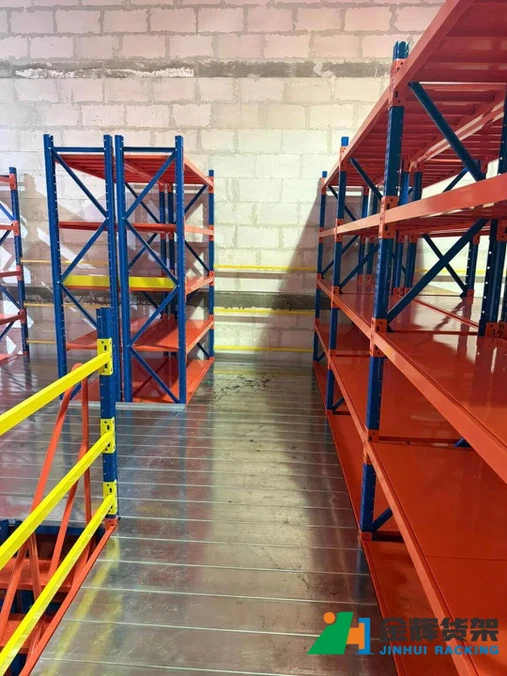
Guardrails, handrails, and toe boards are mandatory on elevated mezzanine levels to prevent falls and injuries.
- Top rails should typically be 42 inches (1.07 m) high
- Mid-rails and toe boards prevent objects from falling off the mezzanine
- Barrier gates or pallet gates ensure safe access to loading areas
3. Staircases and Access Safety
Stairways must comply with ergonomic and safety standards:
- Non-slip treads
- Handrails on both sides
- Appropriate rise and run dimensions
- Clear landing zones at top and bottom
For heavy operational flow, consider emergency exit staircases and separate employee access pathways.
4. Fire Protection Requirements
Mezzanine systems must comply with local fire and safety codes:
- Sprinkler systems may require special design for elevated platforms
- Smoke detectors and alarms must cover all levels
- Emergency exit access and signage must be visible
- Fire-rated materials may be required for structural decking
5. Regular Structural Inspections
Routine inspections are critical to maintaining safety and structural integrity.
- Inspect beams, columns, and decking for damage
- Check fasteners, braces, and connectors
- Verify load signage and compliance
- Ensure guardrails and stair systems are secure
Inspections should be conducted at least annually by a qualified professional or engineer.
6. Signage and Operational Guidelines
Clear load capacity signage and operational instructions help prevent accidental overloading or unsafe use.
- Post maximum weight limits at each level
- Label designated areas for different storage types
- Provide training for personnel on safe handling and movement
7. Warehouse Compliance Standards
Compliance varies by region. Key standards may include:
- OSHA guidelines for elevated platforms
- EN standards for warehouse mezzanine safety
- Local building codes for multi-level platforms
Following these standards not only ensures safety but also helps reduce liability and insurance risks.
Why Work with a Certified Mezzanine Manufacturer?
Choosing an experienced factory ensures your mezzanine system is engineered to meet all safety requirements and load capacity standards.
As a direct manufacturer, we provide:
- Certified structural designs
- Custom layouts for warehouse workflows
- Load calculations and compliance documentation
- Factory-controlled quality assurance
You can review our certified mezzanine systems here: pallet racking certification
Final Thoughts
Warehouse mezzanine safety is critical for protecting both employees and inventory. Proper design, load compliance, guardrails, stair access, fire protection, and routine inspections are all essential elements of a safe mezzanine system.
Working with an experienced and certified manufacturer ensures your pallet rack mezzanine meets all safety requirements while maximizing storage efficiency.