How to Choose the Right Warehouse Racking System
Choosing a warehouse racking system is not simply about installing shelves. The right storage system can dramatically improve warehouse efficiency, reduce operating costs, and maximize available space. However, many companies choose racking based only on price or availability, which can lead to inefficient layouts and limited storage capacity.
If you are planning a new warehouse or upgrading an existing facility, several key factors should be considered before selecting a racking solution. Understanding these factors will help you make a smarter investment and ensure long-term operational efficiency.

Start with Your Warehouse Layout
The first step in choosing a racking system is understanding your warehouse space. Warehouse height, floor area, column spacing, and forklift aisle requirements all influence which storage system will work best.
For example, warehouses with high ceilings often benefit from pallet racking systems that maximize vertical storage space. Facilities with limited floor space may need high-density solutions such as drive-in or shuttle racking.
Careful warehouse layout planning ensures that storage areas, picking zones, and forklift traffic lanes operate efficiently without congestion.
Understand Your Pallet and Product Characteristics
The type of goods stored in your warehouse plays a major role in determining the right racking system.
- Pallet size and weight
- Product turnover speed
- Product dimensions
- Inventory quantity per SKU
For warehouses storing a wide variety of products, selective pallet racking is often the most practical choice because every pallet is directly accessible.
On the other hand, warehouses storing large quantities of the same product may benefit from drive-in racking systems that increase storage density.
Consider Inventory Flow: FIFO or LIFO
Inventory rotation is another critical factor when selecting warehouse storage systems.
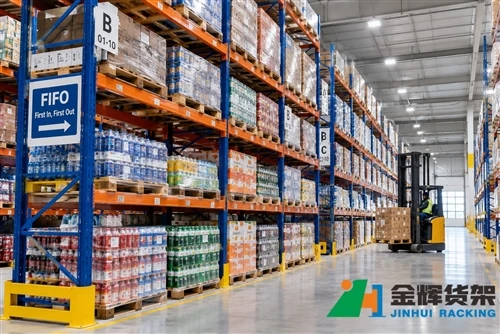
Some industries, such as food distribution and pharmaceuticals, require FIFO (First-In, First-Out) inventory management. In these cases, pallet flow racks or gravity flow systems are commonly used.
Other warehouses operate under LIFO (Last-In, First-Out) principles, where high-density systems like drive-in racks are suitable.
Evaluate Automation Opportunities
As warehouses become more automated, many companies are investing in semi-automated storage solutions.
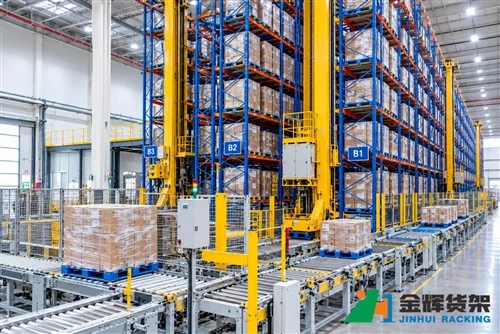
One example is the radio shuttle racking system, which uses a motorized shuttle to move pallets inside storage lanes. This technology significantly reduces forklift travel time while improving storage density.
Automation solutions are particularly beneficial for cold storage warehouses and high-volume distribution centers.

Think About Future Expansion
Warehouse storage needs often grow over time. When selecting a racking system, it is important to consider future scalability.
Modular racking systems allow warehouses to expand storage capacity by adding additional bays or levels without major structural changes.
Investing in a flexible system today can prevent costly warehouse redesigns in the future.
Work with an Experienced Racking Manufacturer
Designing an efficient warehouse storage system requires technical expertise and industry experience. Professional racking manufacturers can analyze your warehouse layout, product characteristics, and operational requirements to recommend the most suitable solution.
A well-designed racking system not only improves storage capacity but also enhances warehouse safety and operational efficiency.
Planning a Warehouse Racking Project?
JIN HUI Rack provides customized warehouse racking solutions for logistics centers, manufacturing plants, and distribution warehouses worldwide.
Our engineering team can help design the most efficient racking layout based on your warehouse size, pallet dimensions, and load capacity.
📧 Email: info@jhrack.com
📱 WhatsApp: +86 185 0252 7163