How Much Weight Can a Pallet Rack Mezzanine Hold?
One of the most important questions when planning a warehouse mezzanine project is: how much weight can a pallet rack mezzanine hold?
The answer depends on several structural and operational factors, including mezzanine design, beam specifications, flooring materials, column spacing, and intended warehouse use.
A properly engineered pallet rack mezzanine system can safely support anything from light carton storage to heavy industrial loads while maximizing warehouse space efficiency.

Typical Pallet Rack Mezzanine Load Capacities
Warehouse mezzanine systems are generally designed according to the type of storage application and expected live load requirements.
Most warehouse mezzanine floors are engineered for approximately 300–500 kg/m², while heavy-duty industrial applications may exceed 1000 kg/m² depending on structural design.
| Application Type | Typical Load Capacity | Common Usage |
|---|---|---|
| Light Duty Mezzanine | 125 – 250 kg/m² | Carton storage and picking |
| Standard Warehouse Storage | 250 – 500 kg/m² | General warehouse operations |
| Heavy Duty Industrial Mezzanine | 500 – 1000+ kg/m² | Palletized goods and machinery |
Actual load capacity should always be determined through professional engineering calculations based on project requirements.
What Determines Mezzanine Load Capacity?
Several structural factors influence how much weight a mezzanine system can safely support.
1. Steel Structure Design
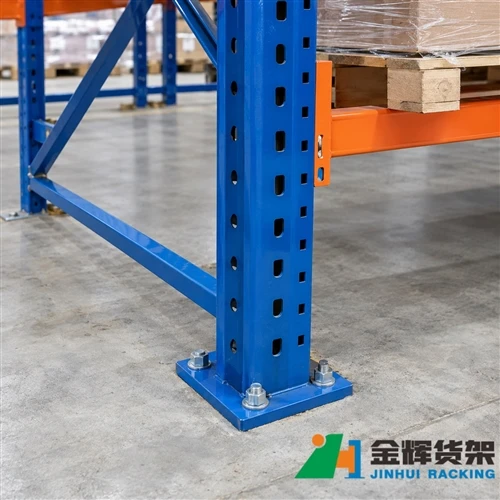
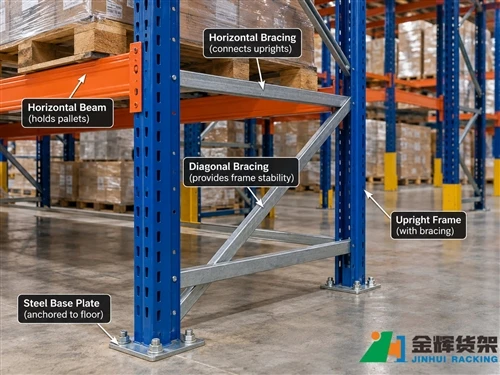
The size and thickness of steel columns, beams, and supports directly affect the mezzanine's overall load-bearing capability.
2. Column Spacing
Wider column spacing generally requires stronger beams and additional reinforcement.
3. Decking Material
Different flooring materials provide different structural performance characteristics.
| Decking Type | Load Performance |
|---|---|
| Steel Decking | High strength and durability |
| Wood Decking | Moderate load capacity |
| Concrete Flooring | Very high load capacity |
| Bar Grating | Good airflow and moderate strength |
4. Uniformly Distributed Load vs Point Load
Mezzanine engineers must consider both uniformly distributed loads (UDL) and concentrated point loads.
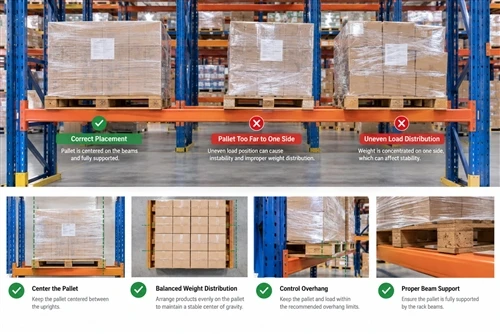
Uniform loads distribute weight evenly across the floor, while point loads occur when heavy equipment or pallet legs concentrate force in specific locations.
5. Warehouse Floor Strength
The warehouse concrete floor must also support the concentrated loads transferred through mezzanine columns.
Most mezzanine systems require reinforced concrete flooring capable of supporting heavy structural loads safely.
Dead Load vs Live Load
Mezzanine load calculations usually include two major categories:
| Load Type | Description |
|---|---|
| Dead Load | Weight of the mezzanine structure itself |
| Live Load | Products, personnel, equipment, and operational movement |
Dynamic operational loads such as moving carts, pallet handling, and personnel traffic are also considered during structural calculations.
Can a Mezzanine Hold Pallet Racking?
Yes, but the mezzanine must be specifically engineered for palletized storage applications.
Traditional mezzanines designed for light-duty picking operations may not safely support heavy pallet rack systems.
Rack-supported mezzanine systems are often the preferred solution because the pallet racking structure itself contributes to overall load support and space efficiency.
Understanding proper pallet rack mezzanine design considerations is essential before installing heavy-duty storage systems.
How Engineers Calculate Mezzanine Load Capacity
Professional mezzanine engineering calculations evaluate multiple factors simultaneously:
- Beam deflection limits
- Column strength
- Floor slab capacity
- Point load concentration
- Dynamic operational loads
- Safety factors
- Building code compliance
In many regions, mezzanine systems must comply with local building codes and structural standards to ensure long-term operational safety.
Safety Considerations for Heavy-Duty Mezzanines
Safety is critical when designing high-capacity mezzanine systems.
Important safety features include:
- Load capacity signage
- Guardrails and handrails
- Pallet safety gates
- Anti-slip flooring
- Fire protection systems
- Routine structural inspections
Overloading a mezzanine beyond its designed capacity can create serious structural risks and operational hazards.
How to Increase Mezzanine Load Capacity
Several design improvements can increase the weight capacity of a mezzanine system:
- Using larger steel beams
- Reducing column spacing
- Adding structural reinforcement
- Using concrete decking systems
- Strengthening warehouse floor slabs
However, all modifications should be reviewed by qualified structural engineers.
Why Work with an Experienced Mezzanine Manufacturer?
Load capacity design is one of the most technical aspects of mezzanine engineering. Choosing an experienced manufacturer helps ensure structural safety, operational efficiency, and long-term durability.
As a direct factory supplier, we provide customized mezzanine systems designed according to warehouse dimensions, load requirements, and operational workflow.
Our engineering team supports customized structural calculations and optimized warehouse layouts for different storage applications.
You can explore our customized mezzanine rack steel platform systems for industrial warehouse projects.
Final Thoughts
The load capacity of a pallet rack mezzanine depends on structural engineering, flooring materials, warehouse conditions, and operational requirements.
While light-duty mezzanines may support only a few hundred kilograms per square meter, heavy-duty industrial systems can safely handle significantly higher loads when properly engineered.
For long-term warehouse safety and efficiency, mezzanine systems should always be professionally designed according to actual storage requirements and building conditions.