Pallet Rack Mezzanine Design Considerations for Warehouses
Designing a pallet rack mezzanine requires more than simply adding another storage level inside a warehouse. A properly engineered mezzanine system must balance structural safety, operational efficiency, storage density, and future scalability.
For warehouses facing increasing storage demand, a well-planned pallet rack mezzanine system can maximize vertical space while improving workflow organization and inventory management.
Why Proper Mezzanine Design Matters
A poorly designed mezzanine can create operational bottlenecks, safety risks, and unnecessary long-term costs. Proper planning ensures the system supports both current warehouse requirements and future expansion.
Effective mezzanine design helps warehouses:
- Increase storage capacity
- Improve operational efficiency
- Optimize vertical space utilization
- Enhance inventory organization
- Reduce warehouse expansion costs
1. Warehouse Layout Planning
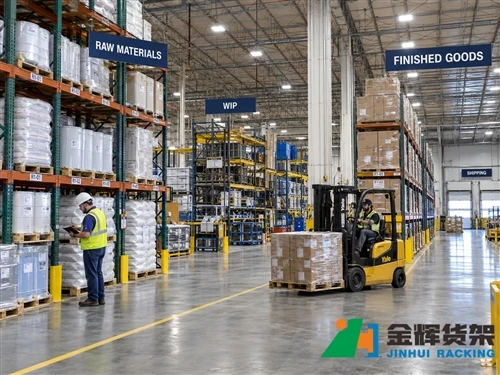
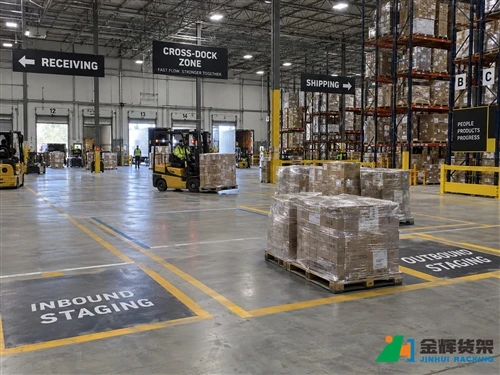
The first step in mezzanine design is understanding the warehouse layout and operational flow.
Key considerations include:
- Building dimensions
- Ceiling height
- Column spacing
- Dock door locations
- Traffic flow
- Equipment movement paths
The mezzanine layout should allow efficient movement of personnel and goods without creating congestion inside the warehouse.
2. Load Capacity Requirements
Load capacity is one of the most important structural considerations for pallet rack mezzanines.
The system must safely support:
- Stored products
- Pallet loads
- Personnel
- Material handling equipment
- Dynamic operational loads
| Application Type | Typical Load Capacity |
|---|---|
| Light Storage | 125 – 250 kg/m² |
| Standard Warehouse Storage | 250 – 500 kg/m² |
| Heavy Industrial Applications | 500+ kg/m² |
Professional engineering calculations are essential to ensure structural stability and long-term safety.
3. Choosing the Right Mezzanine Structure
Different warehouse operations require different mezzanine structures.
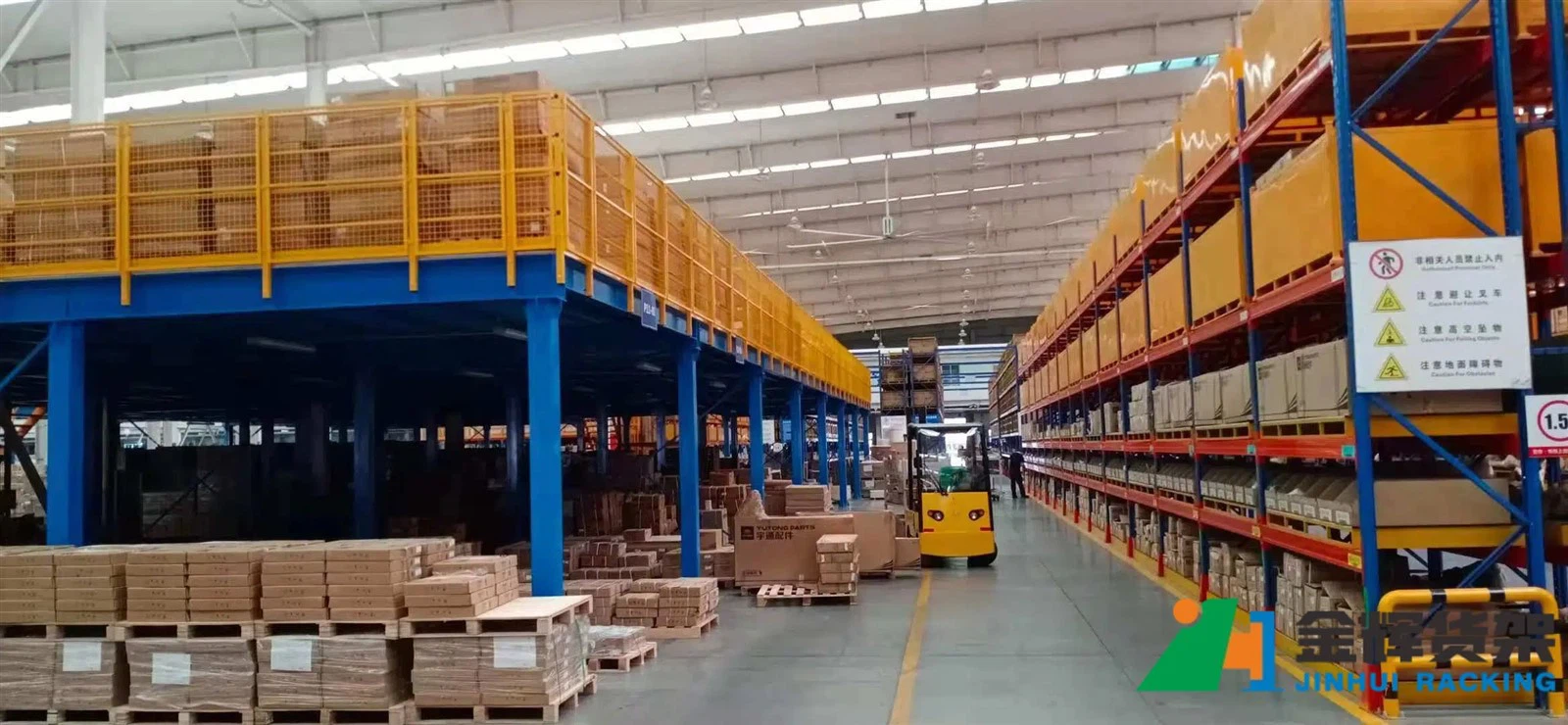
Rack Supported Mezzanine
This design uses pallet racking as part of the structural support system. It is highly space-efficient and commonly used for warehouse storage applications.
Structural Steel Mezzanine
A structural mezzanine uses independent steel columns and beams. This design is suitable for heavier loads and more complex operations.
Multi-Tier Mezzanine
Multi-tier systems create multiple storage levels to maximize vertical space utilization.
4. Ceiling Height and Vertical Clearance
Warehouse ceiling height determines how many mezzanine levels can be installed.
Proper vertical clearance is necessary for:
- Safe personnel movement
- Forklift operation
- Lighting systems
- Fire sprinkler systems
- Ventilation requirements
Insufficient clearance can negatively affect warehouse operations and safety compliance.
5. Flooring and Decking Selection
The choice of decking material affects both structural performance and project cost.
| Decking Type | Main Advantages |
|---|---|
| Steel Decking | Strong and durable |
| Wood Decking | Cost-effective |
| Bar Grating | Excellent airflow and fire safety |
| Concrete Flooring | Heavy-duty applications |
6. Fire Safety and Building Compliance
Mezzanine systems must comply with local building codes and fire protection requirements.
Important considerations include:
- Sprinkler system integration
- Emergency exits
- Handrails and guardrails
- Load signage
- Fire-resistant materials
Compliance requirements vary depending on region and warehouse application.
7. Access Systems and Material Handling
Efficient access design improves operational productivity and warehouse safety.
Common mezzanine access systems include:
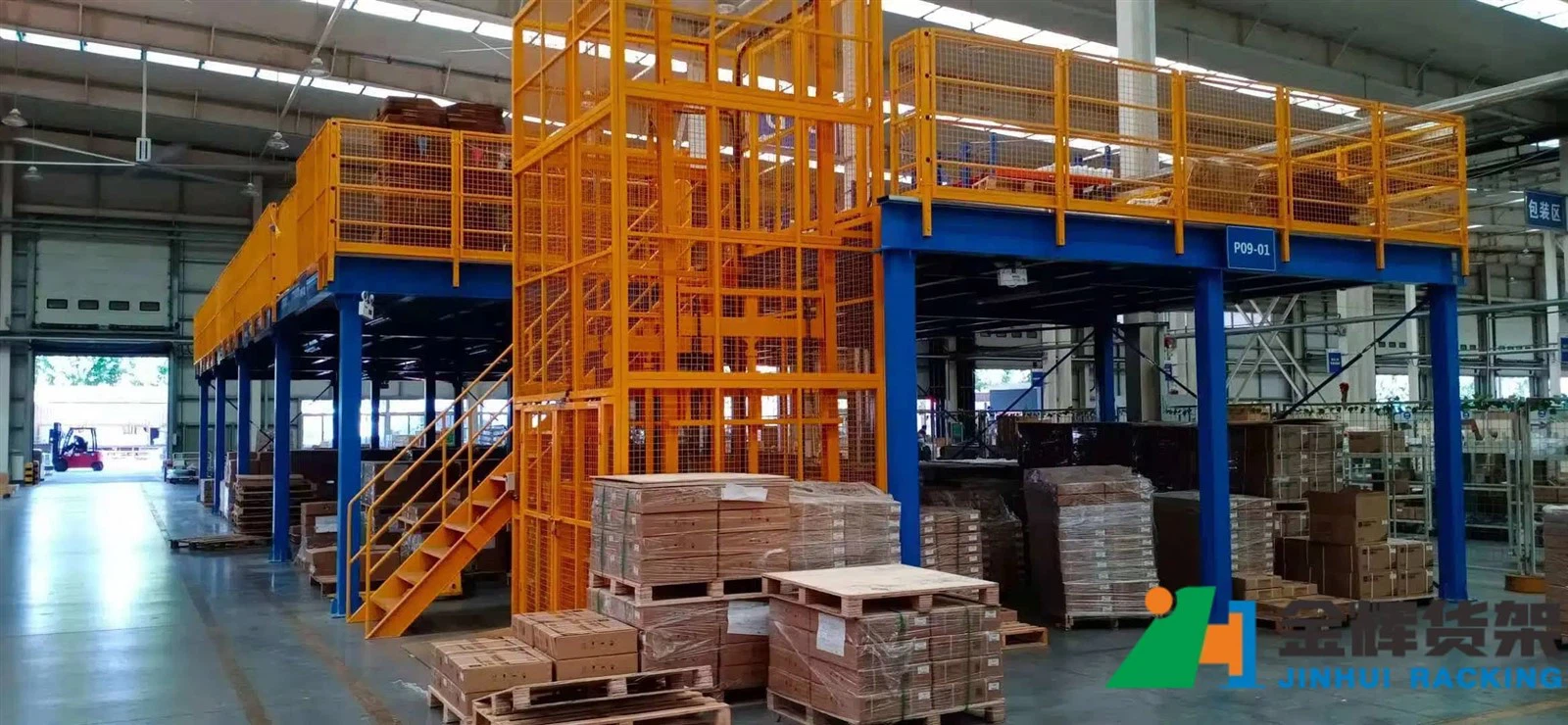
- Staircases
- Pallet gates
- Vertical lifts
- Conveyor systems
- Pick modules
The access system should match the warehouse workflow and operational requirements.
8. Planning for Future Expansion
Many warehouses experience rapid growth after installing mezzanine systems. Planning for future expansion during the initial design stage can reduce long-term costs.
Expandable mezzanine designs allow warehouses to:
- Add additional storage levels
- Expand platform size
- Increase load capacity
- Integrate automation systems
9. Customization for Different Industries
Pallet rack mezzanine systems can be customized for different warehouse applications.
| Industry | Common Mezzanine Application |
|---|---|
| E-commerce | Order picking and carton storage |
| Automotive | Parts storage |
| Manufacturing | Production support storage |
| Retail Distribution | Inventory organization |
| Third-Party Logistics | High-density storage |
Why Work with an Experienced Mezzanine Manufacturer?
Every warehouse has unique structural and operational requirements. Working with an experienced manufacturer ensures the mezzanine system is designed for both safety and long-term efficiency.
As a direct factory supplier, we provide customized mezzanine storage solutions based on warehouse dimensions, storage capacity requirements, and workflow optimization.
Our engineering team supports customized layouts, structural calculations, and project planning for different warehouse applications.
You can explore our customized mezzanine rack steel platform systems for industrial and logistics storage projects.
Final Thoughts
Proper pallet rack mezzanine design is essential for maximizing warehouse storage capacity, improving operational efficiency, and ensuring long-term structural safety.
By carefully considering load requirements, layout planning, safety compliance, and future scalability, warehouses can create highly efficient multi-level storage systems that support long-term business growth.