Planning Carton Flow Racking for Faster Warehouse Order Picking
In warehouses that handle a large number of small products, cartons, and individual order lines, picking efficiency depends on more than storage capacity. Workers need clear access to products, replenishment must keep picking locations supplied, and the layout should minimize unnecessary movement.
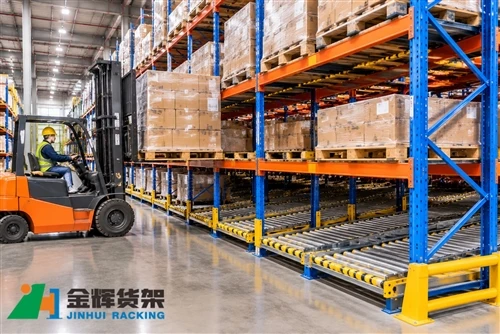
A carton flow rack system can help organize these operations by using inclined roller tracks or wheel tracks to move cartons from the replenishment side toward the picking face. When properly designed, it creates an organized flow of stock and supports consistent picking routines.
1. What Is a Carton Flow Rack System?
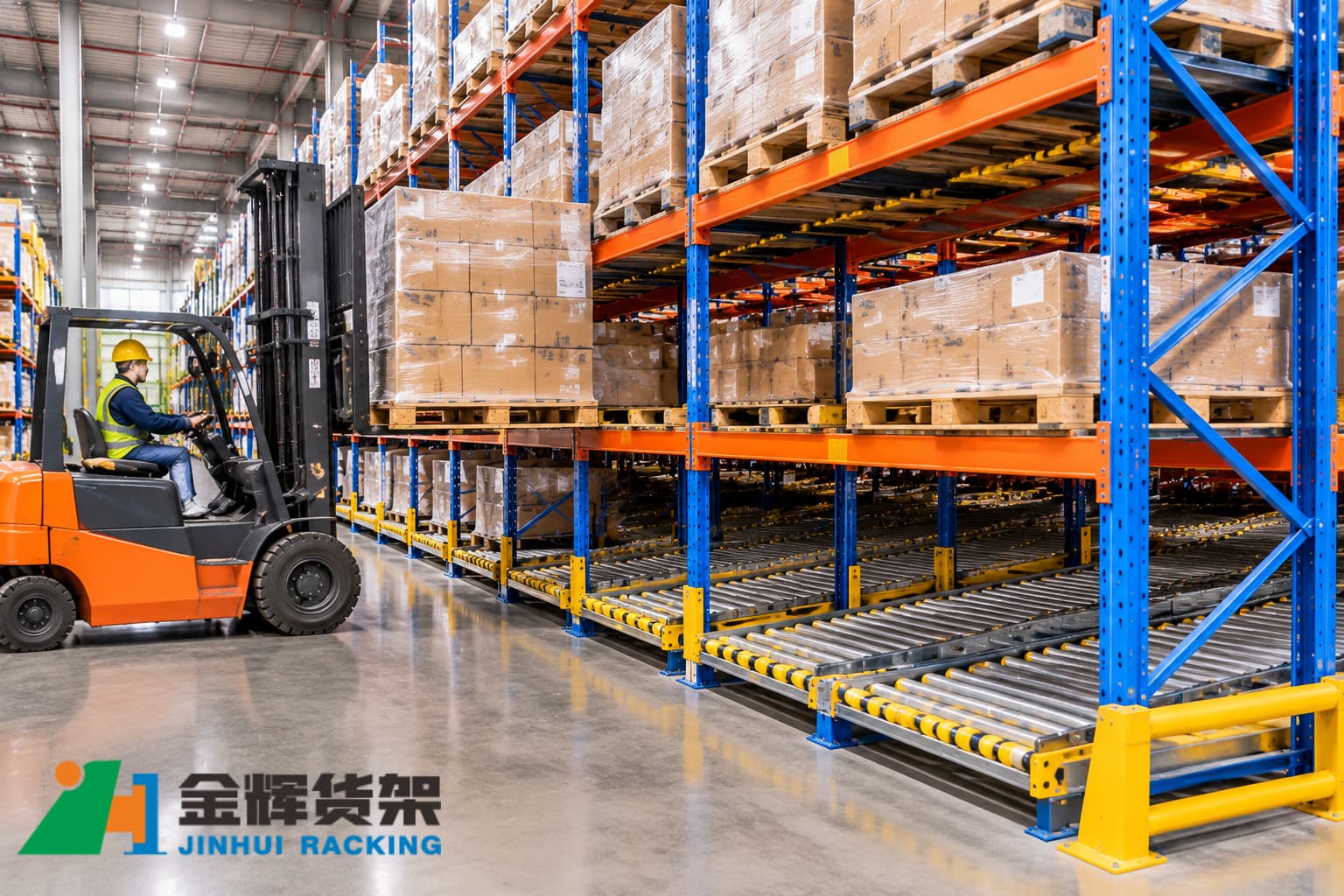
A carton flow rack is a storage and picking system that uses gravity to move cartons along inclined lanes. Operators normally replenish products from the rear or loading side, while pickers retrieve cartons from the front or picking side.
The system is commonly used for small-item distribution, e-commerce fulfillment, assembly operations, and warehouses that process frequent orders with multiple product lines.
Unlike conventional static shelving, carton flow racks are designed around product movement between replenishment and picking positions. The arrangement can reduce the need for pickers to enter storage aisles to retrieve reserve cartons.
2. Identify the Products and Cartons Before Designing the Rack
Carton dimensions and construction directly affect how reliably products move through a gravity flow lane. A rack should not be designed using shelf dimensions alone.
Measure carton dimensions and weight
Record the length, width, height, and weight of the cartons intended for each lane. If several carton sizes will share the system, identify the minimum and maximum dimensions and determine whether they can travel reliably on the same track configuration.
Check carton bottom construction
The carton bottom must provide suitable contact with the rollers or wheels. Weak, uneven, damaged, or heavily recessed bottoms may catch between rollers or fail to move consistently. Cartons with flexible bases may require a different track arrangement or a suitable supporting container.
Consider product stability
Products inside cartons should remain stable as cartons move down the inclined lane. Loose contents, uneven weight distribution, and fragile products may require additional packaging or a different storage method.
3. Plan Flow Lanes Around Picking Demand
Each flow lane should serve a clearly identified product or SKU wherever practical. The number of lanes and their dimensions should reflect inventory levels, order frequency, carton sizes, and replenishment requirements.
Assign lanes by SKU velocity
Fast-moving products can be positioned in convenient picking locations to reduce walking and reaching. Slower-moving products can be placed in less frequently accessed positions, provided that the arrangement remains compatible with the picking process and ergonomic requirements.
Determine lane width and depth
Lane width must accommodate the carton dimensions while maintaining controlled movement. Lane depth should provide enough reserve stock for the intended replenishment cycle without creating excessive inventory at the picking face.
Dimensions should be confirmed using actual cartons and representative loading tests. A lane that is too narrow can cause cartons to jam, while excessive clearance may allow cartons to rotate or move out of alignment.
Choose the appropriate track type
Depending on carton size, weight, and bottom construction, the system may use roller tracks or wheel tracks. Roller tracks provide broader contact in many applications, while wheel tracks can be suitable for compatible cartons and lighter loads. The correct choice should be verified against the products and operating conditions.
4. Set the Inclination and Control Carton Movement
Gravity flow depends on the relationship between lane inclination, carton weight, track resistance, and carton-bottom characteristics. The slope must be sufficient to move cartons consistently, but it should not cause them to accelerate uncontrollably.
There is no single inclination suitable for every carton flow rack. The required setting should be established through supplier calculations and practical testing with representative cartons.
Prevent excessive movement speed
Where cartons gain too much speed, suitable flow-control components may be needed. Depending on the design, these can include braking rollers, speed controllers, or lane-end stopping arrangements.
Provide reliable carton stops
Stop components at the picking face help keep cartons in position and reduce the risk of products falling from the rack. Stops must be compatible with the expected carton dimensions and operating loads.
Test different loading conditions
Test both lightly loaded and heavily loaded cartons. A lane that works with a full carton may behave differently with a partially filled carton. Testing should also check carton transitions, stopping behavior, and the movement of successive cartons.
5. Separate Replenishment and Picking Activities
One of the main advantages of carton flow racking is the ability to separate replenishment from picking. This arrangement can reduce interference between workers when the system is installed with suitable access on both sides.
Replenishment side
Replenishment workers load cartons into the rear of the designated lanes. They should confirm the SKU, orientation, and lane assignment before loading. New cartons are normally added behind existing stock so that earlier stock moves toward the picking face first.
Picking side
Pickers retrieve cartons from the front of the lanes. Clear SKU labels and location identifiers help workers select the correct products and return partially used cartons to the correct position when the operating process allows it.
Coordinate replenishment timing
Replenishment should be triggered before picking locations become empty. This can be managed through minimum stock levels, visual indicators, scanning procedures, or warehouse management system instructions.
6. Design the Rack Layout Around the Order-Picking Process
A carton flow rack should be integrated into the wider warehouse workflow rather than treated as an isolated storage unit.
Position high-demand items within convenient reach
Frequently picked products should be placed in accessible positions based on picking frequency, carton weight, and worker ergonomics. Heavy cartons should not be assigned to positions that require unsafe lifting or awkward handling.
Provide adequate working space
The picking face needs enough room for workers, order containers, and any picking carts or equipment used in the operation. Replenishment access must also be considered so that loading activities do not block other warehouse traffic.
Connect picking stations with downstream processes
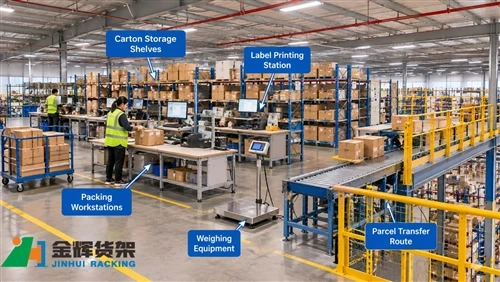
Where orders move to packing, sorting, or consolidation areas, the rack layout should support a logical transfer route. The distance between picking positions and the next process can influence total order cycle time.
Consider future SKU changes
Product ranges and carton dimensions may change over time. Adjustable lane dividers, modular track components, and flexible location assignments can make the system easier to adapt, subject to the rack design and component limitations.
7. Integrate Carton Flow Racks With Warehouse Inventory Control
Carton flow racking can support organized inventory rotation, but the system does not replace warehouse inventory procedures. Clear identification and accurate transaction records remain essential.
- SKU identification: Assign each lane or picking position a clear location code.
- Barcode scanning: Use scanning procedures to verify products during replenishment and picking.
- Stock rotation: Load cartons in the correct sequence so that earlier stock reaches the picking face first.
- Inventory visibility: Update stock records when cartons are added, removed, or transferred.
- Replenishment alerts: Establish practical triggers to prevent empty picking locations.
For products with expiry dates or batch-control requirements, the warehouse process should also verify lot information and follow the applicable inventory rotation rules. Gravity flow alone does not guarantee compliance with every stock-control requirement.
8. Common Carton Flow Rack Problems and How to Address Them
Cartons stop before reaching the picking face
Possible causes include insufficient inclination, unsuitable carton-bottom construction, damaged track components, or excessive friction. Check the carton condition and track alignment before adjusting the lane.
Cartons move too quickly
Excessive speed may result from a combination of steep inclination, heavy cartons, and low-resistance tracks. Review the flow-control arrangement and test the system with representative products.
Cartons become misaligned
Misalignment can occur when lane width is unsuitable or carton dimensions vary significantly. Review side guides, dividers, and carton compatibility.
Picking locations frequently become empty
This may indicate that replenishment timing does not match picking demand. Review order activity, reserve quantities, and replenishment triggers instead of simply adding more storage lanes.
Rollers or wheels show uneven wear
Uneven loading, damaged cartons, contamination, or poor alignment can affect track performance. Inspect components regularly and replace damaged parts with compatible components approved for the system.
9. Inspection and Maintenance Considerations
Routine inspection helps maintain reliable carton movement and safe operation. Inspection frequency should reflect usage intensity, operating conditions, and the manufacturer's maintenance recommendations.
- Check rollers or wheels for damage, wear, and restricted rotation.
- Inspect lane frames, supports, and connections for visible damage or looseness.
- Verify that carton stops and flow-control components remain correctly positioned.
- Remove loose packaging, labels, and debris from the tracks.
- Check that cartons move smoothly without repeated impact or jamming.
- Record recurring problems and arrange repairs when components are damaged.
Any structural damage or component failure should be assessed by qualified personnel. Modifications to rack structures or flow tracks should not be made without confirming that the revised configuration is suitable.
10. Information to Prepare Before Requesting a Carton Flow Rack Quote
Providing accurate operating information helps a supplier develop a system that matches the warehouse's actual picking and replenishment requirements.
- Warehouse floor plan and available installation dimensions.
- Carton length, width, height, and weight ranges.
- Carton bottom material and construction details.
- Number of SKUs and estimated flow lanes required.
- Average and peak picking volumes.
- Required reserve quantity per SKU or lane.
- Replenishment method and access requirements.
- Picking equipment, workstations, and downstream processes.
- Any special product handling or inventory rotation requirements.
These details allow the supplier to evaluate rack dimensions, track selection, lane inclination, support structure, and operating clearances. Final specifications should be confirmed through engineering review and product testing where necessary.
Conclusion
Carton flow racking can improve the organization of small-item picking operations by separating replenishment from retrieval and presenting cartons at accessible picking locations. Its performance depends on carton compatibility, track selection, lane geometry, flow control, and the way the system connects with warehouse processes.
Rather than selecting a system based only on the number of lanes or storage levels, warehouse operators should begin with product data and workflow requirements. A well-planned design can support consistent carton movement, more organized picking locations, and a smoother replenishment process.
Discuss Your Warehouse Storage Requirements
JINHUI RACK provides warehouse storage solutions for different inventory types and operating requirements. If you are planning a carton flow rack project, share your carton dimensions, product information, picking volume, and warehouse layout with our team.
Email: info@jhrack.com
WhatsApp: +86 185 0252 7163