Why Pallet Racking Safety Is Critical
Pallet racking systems are designed to store heavy loads at height, making safety a top priority in any warehouse environment. Improper use, poor maintenance, or substandard components can lead to serious accidents, product damage, and even injuries.
Ensuring racking safety is not just about compliance-it directly impacts operational efficiency and long-term costs.
Common Causes of Pallet Racking Failures
- Overloading beyond rated capacity
- Forklift impact damage
- Incorrect installation
- Using damaged or incompatible components
- Poor layout design leading to congestion

Many of these issues can be avoided with proper planning. Learn more: common racking design mistakes.
Pallet Racking Safety Standards & Regulations
Depending on your region, pallet racking systems must comply with recognized standards such as:
- RMI (Rack Manufacturers Institute – USA)
- EN 15635 (European standard for rack safety)
- OSHA guidelines for workplace safety
These standards define load limits, inspection frequency, and safe usage practices.
Pallet Racking Inspection Checklist
Regular inspections are essential to identify risks before they become serious problems.
Daily Visual Checks
- Look for visible damage to uprights and beams
- Check for missing safety pins
- Ensure pallets are properly positioned
Weekly Inspection
- Verify load distribution
- Inspect beam connections
- Check aisle clearance
Annual Professional Inspection
- Full structural assessment
- Load capacity verification
- Compliance audit
Essential Safety Components
Adding the right safety accessories significantly reduces risk:
- Column protectors to prevent forklift damage
- Rack guards for high-traffic areas
- Safety pins to secure beams
- Wire mesh decking to prevent falling items
Learn more about system parts: pallet racking components.
Load Capacity and Safe Usage
Every racking system has a maximum load capacity that must never be exceeded. Overloading is one of the leading causes of rack failure.
Understand load limits here: pallet racking load capacity.
Best Practices for Safe Operation
- Train forklift operators properly
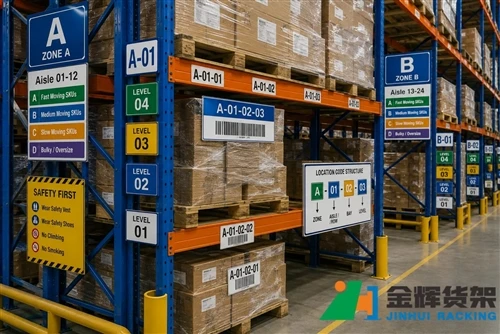
- Clearly label load limits on each rack
- Maintain proper aisle width
- Replace damaged components immediately
- Keep detailed inspection records
How Proper Design Improves Safety
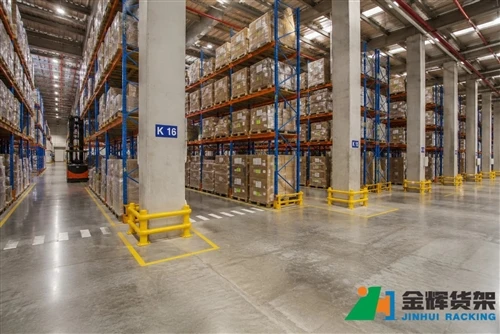
A well-designed racking layout reduces risks by improving traffic flow and minimizing collision points.
For better layout planning, see: warehouse racking design guide.
When Should You Replace Damaged Racking?
You should replace or repair racking immediately if you notice:
- Bent or twisted uprights
- Cracked welds
- Loose or missing connectors
- Severe corrosion
Continuing to use damaged racking significantly increases the risk of collapse.
Conclusion
Pallet racking safety is not optional-it is essential for protecting your employees, inventory, and business operations. Regular inspections, proper design, and high-quality components all play a critical role in maintaining a safe warehouse environment.
At JIN HUI Rack, we design and manufacture pallet racking systems that meet international safety standards, ensuring reliability, durability, and compliance.
If you need help evaluating your current racking system or planning a safer warehouse layout, our team is ready to assist you.