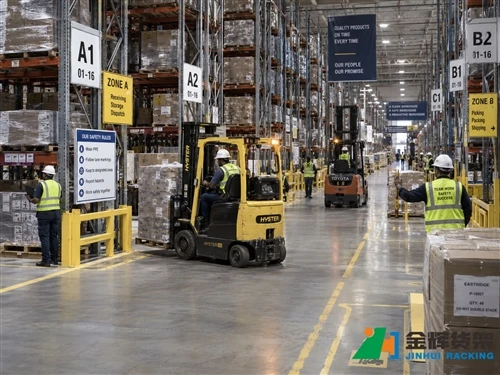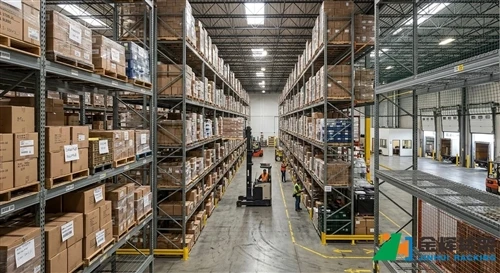
Selective pallet racking is one of the most widely used warehouse storage systems worldwide. Designed for direct access to every pallet position, this system provides an efficient solution for warehouses that require flexible inventory management, fast product retrieval, and easy stock rotation.
Unlike high-density storage systems that maximize storage volume by reducing accessibility, selective pallet racking focuses on accessibility and operational efficiency. Each pallet can be accessed individually without moving other stored goods, making it suitable for warehouses with multiple SKUs and frequent inventory movement.
From manufacturing facilities and distribution centers to retail warehouses and logistics operations, selective pallet racking has become a standard choice for companies looking to improve storage organization while maintaining convenient forklift access.

What Is Selective Pallet Racking?
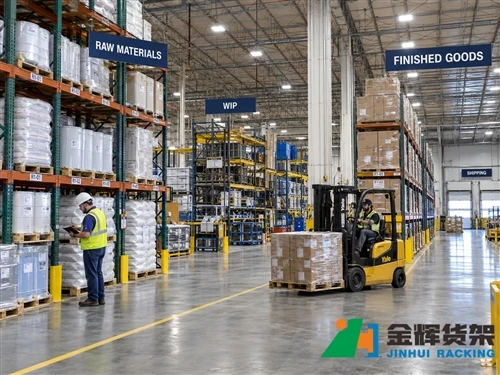
Selective pallet racking is a type of industrial storage rack system designed to store palletized goods on multiple horizontal levels. The structure usually consists of upright frames, horizontal beams, pallet supports, and safety accessories.
The main feature of selective pallet racking is direct pallet access. Forklifts can enter the storage aisles and pick up or place pallets from any selected location without requiring other pallets to be moved first.
This makes selective pallet racking especially suitable for warehouses that handle:
- Large numbers of product categories.
- Different pallet sizes.
- Frequent loading and unloading operations.
- First-in and first-out inventory management.
- Flexible warehouse layouts.
How Does Selective Pallet Racking Work?
A selective pallet racking system works by organizing pallets horizontally and vertically within a warehouse. Each rack bay contains several storage levels supported by beams connected to upright frames.
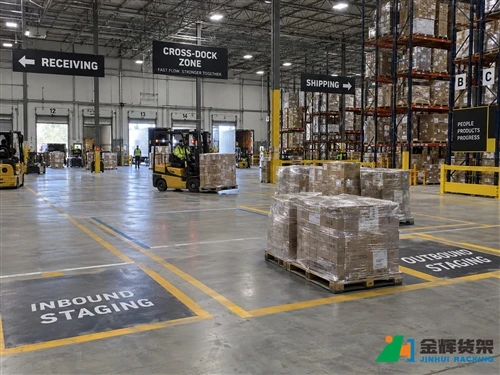
During warehouse operations, forklifts move through aisles between rack rows and directly access individual pallets according to inventory requirements.
The basic storage process includes:
- Receiving pallets from suppliers.
- Transporting pallets to assigned rack locations.
- Placing pallets onto rack beams.
- Retrieving pallets during picking or shipping.
Because every pallet location remains accessible, warehouse operators can quickly respond to customer orders and inventory changes.
Main Components of Selective Pallet Racking
A selective pallet racking system is made up of several structural components that work together to provide safe and stable pallet storage.
Upright Frames
Upright frames are the vertical load-bearing structures of the rack system. They transfer the weight of stored pallets to the warehouse floor and determine the overall height and capacity of the rack.
Horizontal Beams
Horizontal beams connect the upright frames and support pallet loads. Different beam sizes can be selected depending on pallet weight, span requirements, and storage configuration.
Pallet Supports
Pallet supports provide additional stability for pallets placed on rack beams, especially when storing different pallet designs or heavy loads.
Safety Accessories
Modern selective pallet racking systems can include various safety accessories such as:
- Column protectors.
- Row spacers.
- Safety pins.
- Mesh panels.
- Back stops.

Advantages of Selective Pallet Racking
Selective pallet racking has become one of the most popular warehouse storage solutions because it provides an excellent balance between storage capacity, accessibility, and operational flexibility.
Compared with high-density storage systems, selective pallet racking may not achieve the maximum possible storage density, but it offers significant advantages for warehouses where quick access and inventory flexibility are important.
Direct Access to Every Pallet
The biggest advantage of selective pallet racking is that every pallet position can be accessed directly. Forklifts do not need to move other pallets before reaching the required inventory.
This feature makes selective pallet racking ideal for businesses managing multiple product categories or warehouses with frequent picking operations.
Flexible Storage Configuration
Selective pallet racking can be customized according to different warehouse requirements. Rack height, beam levels, aisle width, and loading capacity can all be adjusted based on available space and operational needs.
Common customization options include:
- Different rack heights.
- Various beam lengths.
- Multiple pallet sizes.
- Different forklift aisle layouts.
- Additional safety accessories.
High Inventory Visibility
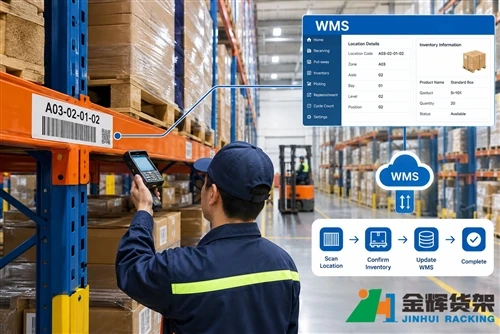
Because each pallet location is clearly separated and accessible, warehouse employees can easily identify stored products and manage inventory more efficiently.
This visibility helps reduce picking errors and improves warehouse organization, especially in operations with many SKUs.
Easy Installation and Expansion
Selective pallet racking features a modular design, allowing businesses to expand or modify their storage system as requirements change.
Additional rack bays, extra storage levels, or safety accessories can often be added without replacing the entire system.
Suitable for Different Warehouse Environments
Selective pallet racking can be used in many different industries because of its adaptable design.
Typical applications include:
- Manufacturing warehouses.
- Distribution centers.
- Third-party logistics facilities.
- Retail storage warehouses.
- Automotive parts warehouses.
- Food and beverage storage facilities.
Selective Pallet Racking Applications
The versatility of selective pallet racking makes it suitable for a wide range of industries. Whether a company stores raw materials, finished products, or distribution inventory, this system provides an efficient storage method.
Manufacturing Warehouses
Manufacturing companies often use selective pallet racking to store raw materials, components, and finished products. Direct pallet access allows production teams to quickly retrieve required materials and maintain smooth manufacturing processes.
Related article:
Heavy Duty Pallet Racking for Manufacturing Facilities
Logistics and Distribution Centers
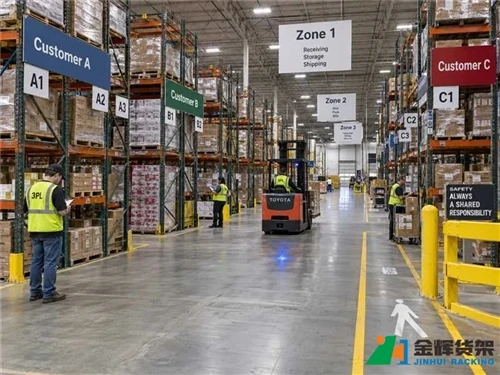
Distribution centers require fast inventory movement and efficient order fulfillment. Selective pallet racking allows operators to quickly locate and retrieve pallets, making it suitable for high-frequency warehouse operations.
Automotive Parts Storage
Automotive warehouses often manage thousands of different components with different sizes and inventory cycles. Selective pallet racking provides organized storage and easy access for picking operations.
Related article:
Heavy Duty Pallet Racking for Automotive Parts Warehouses
Cold Storage Warehouses
Selective pallet racking can also be used in temperature-controlled environments. Its flexible layout helps cold storage operators organize different products while maintaining efficient loading and unloading operations.
Related article:
Heavy Duty Pallet Racking for Cold Storage Warehouses
Selective Pallet Racking Compared with Other Storage Systems
Different warehouse storage systems are designed for different operational requirements. Understanding the differences helps businesses select the right solution.
Selective Pallet Racking vs Drive-In Racking
Selective pallet racking provides direct access to each pallet, while drive-in racking focuses on maximizing storage density by reducing aisles.
Selective pallet racking is usually better for warehouses with many SKUs and frequent inventory movement, while drive-in racking is more suitable for large quantities of similar products.
Selective Pallet Racking vs Double Deep Racking
Double deep pallet racking increases storage density by placing two rows of pallets together, but it reduces direct accessibility compared with selective systems.
Selective pallet racking is preferred when inventory accessibility is more important than maximum storage density.
Selective Pallet Racking vs Pallet Flow Racking
Pallet flow racking uses gravity rollers to support FIFO inventory rotation, while selective pallet racking provides more flexible pallet access.
The right choice depends on inventory turnover, product type, and warehouse workflow.
How to Choose the Right Selective Pallet Racking System
Choosing the right selective pallet racking system requires careful consideration of warehouse conditions, inventory requirements, and future business development. A properly designed racking system can improve storage efficiency, reduce operating costs, and create a safer working environment.
Before purchasing selective pallet racking, businesses should evaluate several important factors.
Understand Your Storage Requirements
The first step is understanding what products will be stored and how the warehouse operates. Different products require different rack configurations based on weight, dimensions, and turnover frequency.
Important considerations include:
- Product size and weight.
- Pallet dimensions.
- Number of SKUs.
- Inventory turnover rate.
- Daily pallet movement volume.
Consider Warehouse Space Utilization
A selective pallet racking system should be designed according to the available warehouse space. The layout should maximize storage capacity while maintaining sufficient operating space for forklifts and warehouse employees.
Warehouse planning should consider:
- Building height.
- Column locations.
- Forklift aisle width.
- Loading and unloading areas.
- Emergency access requirements.
Select the Correct Rack Capacity
The load capacity of selective pallet racking must match the weight of stored goods. Choosing a rack system with insufficient capacity can create safety risks during daily operations.
A professional supplier will evaluate pallet loads, rack dimensions, and storage levels before recommending the appropriate structure.
Selective Pallet Racking Installation and Safety Requirements
Although selective pallet racking has a simple modular structure, professional installation is important to ensure stability and long-term performance.
During installation, technicians should ensure:
- Rack frames are correctly positioned.
- Beams are securely connected.
- Safety pins are properly installed.
- Rack rows are aligned correctly.
- Anchoring requirements are followed.
Importance of Regular Rack Inspection
Warehouse environments involve daily forklift movement, which may cause accidental impacts to rack structures. Regular inspection helps identify potential issues before they affect safety.
Common inspection points include:
- Damaged upright columns.
- Bent beams.
- Loose components.
- Missing safety accessories.
- Overloaded storage positions.
Common Applications of Selective Pallet Racking
Selective pallet racking is widely used across many industries because of its flexibility and accessibility.
Logistics and Distribution Centers
Distribution warehouses often handle large quantities of different products. Selective pallet racking allows operators to quickly locate and retrieve individual pallets, improving order fulfillment efficiency.
Manufacturing Facilities
Manufacturers use selective pallet racking to store raw materials, production components, and finished goods. The organized storage system helps maintain smooth production workflows.
Retail Warehouses
Retail companies often require flexible storage systems because product categories and inventory levels change frequently. Selective pallet racking provides easy adjustment and direct access.
Food and Beverage Warehouses
Food and beverage companies often require organized inventory management and efficient product rotation. Selective pallet racking can support these requirements when combined with proper warehouse management practices.
Frequently Asked Questions About Selective Pallet Racking
What is the main advantage of selective pallet racking?
The main advantage of selective pallet racking is direct access to every pallet position. Forklifts can retrieve any pallet without moving other stored products.
Is selective pallet racking suitable for small warehouses?
Yes. Selective pallet racking can be customized for both small warehouses and large distribution centers. Rack height, length, and configuration can be adjusted according to available space.
How long does selective pallet racking last?
The service life of selective pallet racking depends on material quality, installation standards, operating conditions, and maintenance practices. Properly designed and maintained systems can provide long-term warehouse storage support.
Can selective pallet racking be customized?
Yes. Selective pallet racking can be customized based on pallet size, load requirements, warehouse dimensions, and forklift operations.
Is selective pallet racking better than high-density storage systems?
Neither system is universally better. Selective pallet racking is ideal when accessibility and flexibility are priorities, while high-density systems are suitable for warehouses that need maximum storage capacity.
Conclusion
Selective pallet racking is one of the most widely adopted warehouse storage solutions because it provides a practical combination of accessibility, flexibility, and efficiency.
Its simple structure, direct pallet access, and compatibility with different forklifts make it suitable for manufacturing facilities, logistics centers, distribution warehouses, and many other industrial applications.
By selecting the correct rack design, storage configuration, and safety accessories, businesses can create an efficient warehouse environment that supports current operations and future growth.
Choose JINHUI Rack for Customized Selective Pallet Racking Solutions
JINHUI Rack specializes in manufacturing customized warehouse storage systems, including selective pallet racking solutions for industrial and commercial applications.
With professional engineering support and manufacturing experience, we help customers optimize warehouse space, improve storage efficiency, and develop reliable racking solutions based on their specific requirements.
Welcome to JINHUI Rack! I'm your warehouse storage expert. Please share your requirements, or contact us via:
WhatsApp:
+8618502527163
Email:
info@jhrack.com