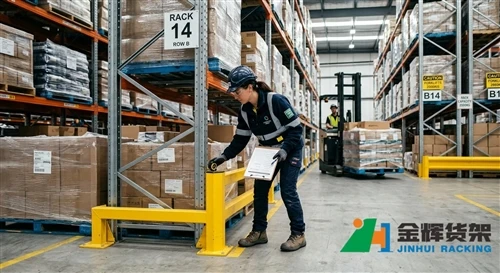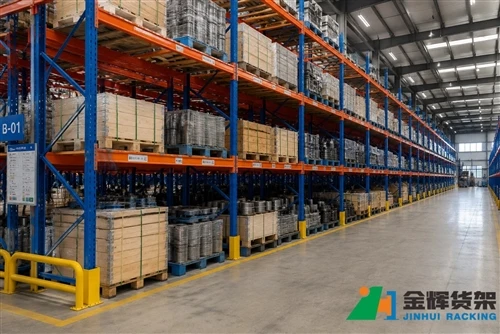
Manufacturing facilities depend on efficient material storage systems to support continuous production and supply chain operations. From raw materials and components to finished products, factories need organized warehouse solutions that allow fast access, safe storage, and reliable inventory management.
Heavy duty pallet racking is widely used in manufacturing warehouses because it provides strong load capacity, flexible configurations, and excellent compatibility with forklift operations.
However, an effective manufacturing warehouse storage system requires careful planning. Rack design should consider production processes, material flow, inventory volume, and future expansion requirements.

Why Manufacturing Facilities Need Heavy Duty Pallet Racking
Manufacturing warehouses often store large quantities of materials that support daily production activities. These materials may include steel components, machinery parts, packaging materials, electronic components, and finished goods.
Compared with ordinary storage environments, manufacturing facilities usually require storage systems that can handle:
- Heavy pallet loads.
- Frequent material movement.
- Different product categories.
- Continuous inventory replenishment.
- Production supply requirements.
A properly designed heavy duty pallet racking system helps factories maintain smooth material flow while maximizing available warehouse space.
Applications of Heavy Duty Pallet Racking in Manufacturing Warehouses
Heavy duty pallet racking can support different stages of manufacturing operations, including raw material storage, production supply, and finished product warehousing.
Common applications include:
- Raw material storage areas.
- Component warehouses.
- Production line supply storage.
- Finished goods warehouses.
- Industrial distribution centers.
By organizing materials according to production requirements, factories can improve workflow efficiency and reduce unnecessary handling time.
Key Challenges in Manufacturing Warehouse Storage
Managing Heavy and Different Material Types
Manufacturing facilities often store materials with different sizes, shapes, and weights. A single warehouse may contain lightweight packaging materials as well as heavy metal components.
The rack system must be designed according to actual product characteristics to ensure safe storage and efficient space utilization.
Load capacity, beam specifications, rack height, and accessories should all be selected based on warehouse requirements.
Learn more about rack capacity planning: Heavy Duty Pallet Rack Load Capacity Explained
Supporting Production Material Flow
Unlike simple storage warehouses, manufacturing facilities require close coordination between storage areas and production lines.
Materials must often be delivered quickly from warehouse locations to production stations. Therefore, rack layout and aisle planning directly affect operational efficiency.
An efficient design should consider:
- Material receiving routes.
- Production supply paths.
- Forklift movement.
- Picking frequency.
- Finished goods transportation.
Warehouse Layout Planning for Manufacturing Facilities
A successful industrial pallet rack system starts with a detailed understanding of warehouse operations.
Important design factors include:
- Available floor area.
- Building height.
- Production workflow.
- Storage quantity.
- Material handling equipment.
A well-planned layout helps factories reduce unnecessary movement and create a more efficient storage environment.
Selecting the Right Rack Configuration
Different manufacturing facilities may require different rack configurations depending on storage objectives.
Selective pallet racking is commonly used because it provides direct access to every pallet position and works well for warehouses with frequent inventory movement.
Other factors influencing rack selection include:
- Storage density requirements.
- Product turnover rate.
- Available warehouse space.
- Forklift type.
- Future expansion plans.
Optimizing Raw Material Storage in Manufacturing Warehouses
Raw materials are the foundation of manufacturing operations, and their storage efficiency directly affects production continuity. A well-organized warehouse helps ensure that materials are available when needed while reducing unnecessary handling.
Heavy duty pallet racking can help manufacturers organize raw materials according to:
- Material type.
- Production requirements.
- Usage frequency.
- Weight and size.
- Storage priority.
For example, frequently used materials can be stored in easily accessible locations, while reserve inventory can be placed in higher rack positions or longer-term storage areas.
Improving Manufacturing Warehouse Efficiency Through Rack Planning
Warehouse efficiency is closely connected with how materials move through the facility. Poor storage planning can increase forklift travel distance, delay production supply, and reduce overall productivity.
A professional rack layout helps improve efficiency by:
- Reducing unnecessary material movement.
- Creating clear storage zones.
- Improving inventory visibility.
- Supporting faster picking operations.
- Optimizing available warehouse space.
The goal of an industrial storage system is not only to store more products but also to support smoother daily operations.
Safety Considerations for Factory Pallet Racking Systems
Manufacturing environments often involve frequent forklift activity, heavy materials, and continuous warehouse movement. Therefore, safety should be considered during every stage of rack design.
Important safety considerations include:
- Correct rack load capacity selection.
- Proper aisle width planning.
- Rack protection systems.
- Regular inspection procedures.
- Safe forklift operation.
Common safety accessories for manufacturing warehouses include:
- Upright protectors.
- Rack end guards.
- Safety barriers.
- Wire mesh decking.
- Pallet support bars.
These components help protect rack structures and improve warehouse safety during daily operations.
Learn more about warehouse rack accessories: Heavy Duty Pallet Rack Accessories Essential Guide
Supporting Lean Manufacturing and Inventory Control
Many manufacturing companies focus on improving operational efficiency through better inventory control and optimized workflows.
A well-designed pallet racking system supports these goals by creating organized storage locations and improving material visibility.
Benefits include:
- Easier inventory tracking.
- Reduced material searching time.
- Better production planning.
- Improved warehouse organization.
- More efficient use of storage space.
When warehouse storage and production processes work together, manufacturers can achieve better overall supply chain performance.
Common Mistakes in Manufacturing Warehouse Rack Design
Ignoring Production Workflow
One common mistake is designing storage based only on available warehouse space while ignoring how materials move through the production process.
The rack layout should support receiving, storage, production supply, and finished goods handling.
Choosing Rack Capacity Without Accurate Data
Manufacturers should understand actual pallet weights and storage requirements before selecting rack specifications.
Incorrect assumptions may result in unsuitable designs or unnecessary investment in oversized components.
Not Planning for Future Production Growth
Manufacturing businesses often expand production capacity over time. A flexible rack system allows additional storage areas to be added when inventory requirements increase.
Using Standard Solutions for Complex Applications
Every factory has different workflows and storage challenges. A standard rack configuration may not always provide the best solution for complex manufacturing environments.
Custom rack design can help improve space utilization and operational efficiency.
Custom Heavy Duty Pallet Racking for Manufacturing Facilities
Manufacturing warehouses often benefit from customized storage solutions because their requirements are closely related to production processes.
A custom design may consider:
- Special pallet sizes.
- Heavy industrial components.
- Production line supply needs.
- Limited warehouse space.
- Future expansion plans.
A professional rack manufacturer can analyze these requirements and develop a system that matches the actual application.
For more information about custom rack planning: Custom Heavy Duty Pallet Racking Design Guide
How Professional Rack Manufacturers Support Factory Storage Projects
Choosing the right supplier is an important part of a successful manufacturing warehouse project.
An experienced manufacturer can provide:
- Warehouse layout suggestions.
- Rack engineering support.
- Load calculation assistance.
- Production coordination.
- Installation guidance.
Professional support helps ensure that the final storage system meets operational requirements and performs reliably over time.
Read our guide: How to Choose a Reliable Heavy Duty Pallet Rack Manufacturer
Frequently Asked Questions
Why are heavy duty pallet racks suitable for manufacturing warehouses?
Heavy duty pallet racks provide strong load capacity, flexible configurations, and efficient storage access, making them suitable for factories storing raw materials, components, and finished products.
Can pallet racks improve manufacturing efficiency?
Yes. A well-designed storage system improves material organization, reduces handling time, and supports smoother production workflows.
What factors affect manufacturing warehouse rack design?
Key factors include product weight, warehouse dimensions, production workflow, forklift operation, storage volume, and future expansion requirements.
Should manufacturing facilities use customized pallet racks?
Many manufacturing facilities benefit from customized designs because production processes and material requirements vary significantly between industries.
How can factories increase warehouse storage capacity?
Factories can improve storage capacity through better layout planning, vertical space utilization, suitable rack configurations, and efficient inventory organization.
Conclusion
Heavy duty pallet racking plays an important role in helping manufacturing facilities organize materials, improve warehouse efficiency, and support continuous production operations.
A successful industrial storage solution should consider not only storage capacity but also material flow, safety requirements, inventory management, and future business growth.
By working with an experienced pallet rack manufacturer, manufacturers can develop a reliable storage system that supports both current operations and future expansion.
Industrial Warehouse Storage Solutions from Jinhui Rack
Jinhui Rack provides customized heavy duty pallet racking systems for manufacturing plants, industrial warehouses, logistics centers, and distribution facilities.
Our team helps customers design storage solutions based on warehouse conditions, product requirements, load capacity, and operational goals.
Explore our Heavy Duty Selective Pallet Racking System for more information about our industrial storage solutions.
WhatsApp
+8618502527163
Email
info@jhrack.com