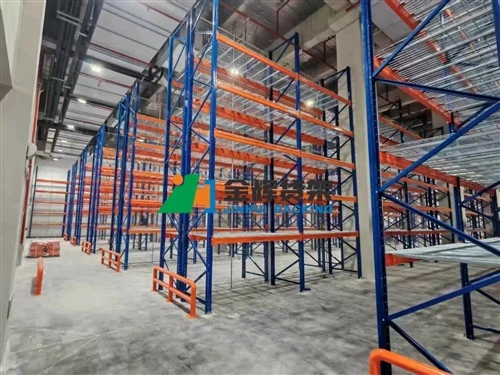
Why Load Capacity Matters in Warehouse Storage Systems
Heavy duty selective pallet racking is designed to support substantial pallet loads while providing direct access to every pallet location. However, the performance and safety of any warehouse storage system depend on one critical engineering factor-load capacity. Every pallet rack is manufactured with a specific weight limit that must never be exceeded.
Ignoring load ratings can lead to beam deformation, upright failure, damaged inventory, forklift accidents, and even catastrophic rack collapse. Conversely, understanding load capacity allows warehouse managers to maximize storage density while maintaining a safe and efficient operation.
This guide explains how heavy duty pallet rack load capacity is calculated, what influences weight limits, and how to choose the right racking system for your warehouse.
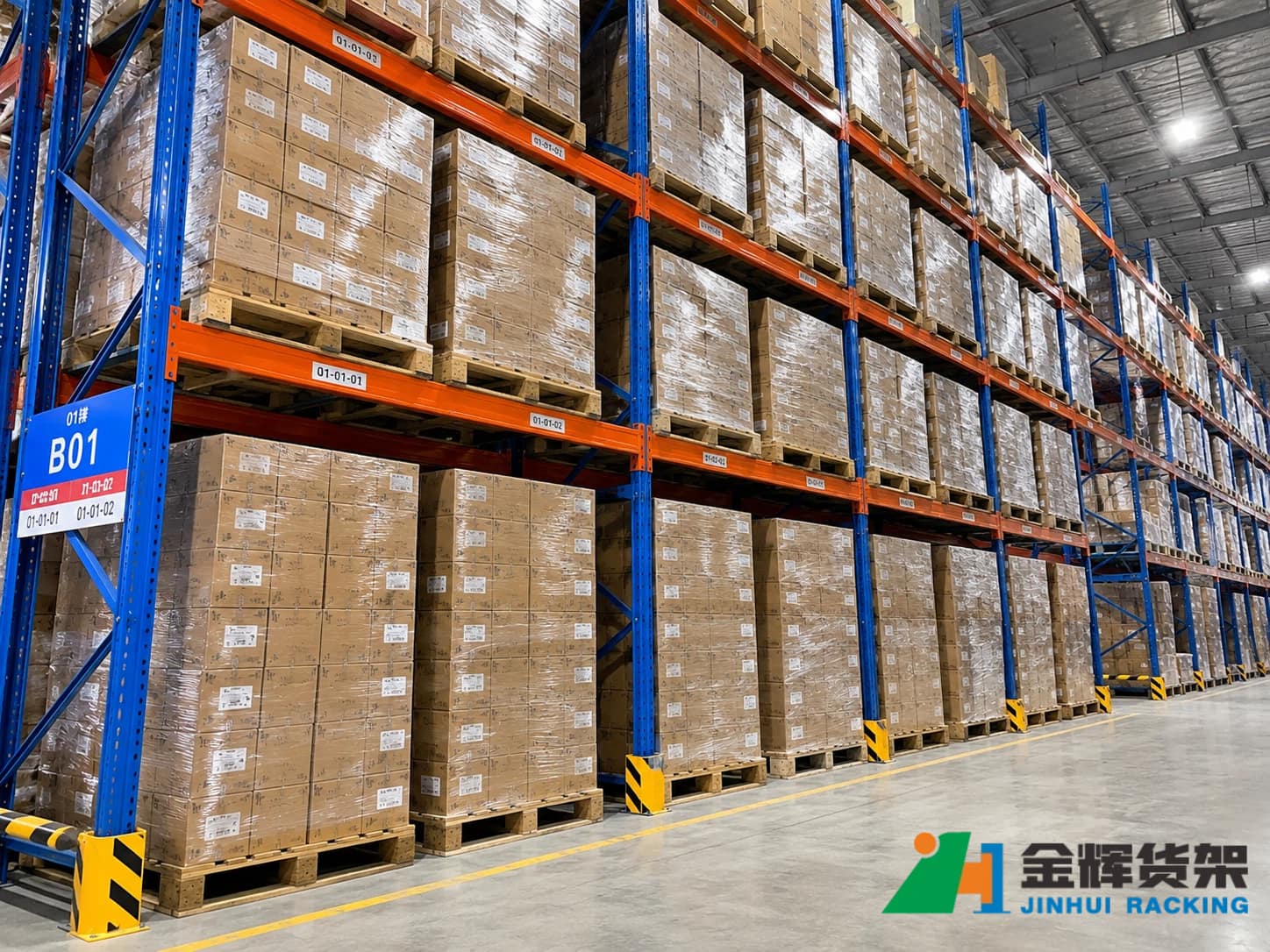
What Is Heavy Duty Pallet Rack Load Capacity?
Load capacity refers to the maximum amount of weight that a pallet racking system can safely support under normal operating conditions. Rather than being a single value, rack capacity is divided into several engineering ratings, each describing a different structural component.
The most common load ratings include:
- Beam capacity
- Upright frame capacity
- Bay load capacity
- Frame load capacity
- Floor load capacity
- Anchor capacity
Each of these values contributes to the overall structural performance of the storage system. The lowest-rated component ultimately determines the safe working load of the rack.
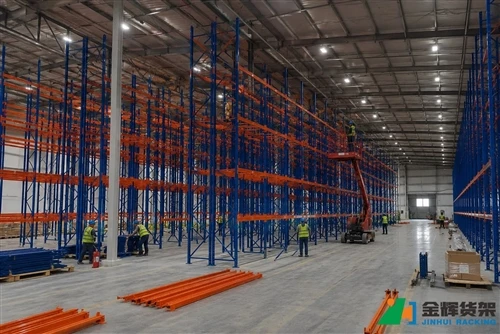
At Jinhui Rack's Heavy Duty Selective Pallet Racking, every storage system is engineered according to customer pallet dimensions, load requirements, forklift specifications, and warehouse layout to ensure safe long-term performance.
How Is Pallet Rack Load Capacity Calculated?
Heavy duty pallet rack capacity is not estimated by simply adding together the weight of stored pallets. Instead, structural engineers calculate load ratings based on multiple factors, including steel strength, beam deflection limits, connector performance, frame stability, and overall structural safety factors.
Engineering calculations typically consider:
- Maximum pallet weight
- Number of pallets per beam level
- Beam span length
- Beam profile dimensions
- Steel yield strength
- Upright frame height
- Vertical load distribution
- Seismic or wind requirements (where applicable)
These calculations ensure that each component performs safely under both static storage loads and dynamic warehouse operating conditions.
Main Components That Determine Rack Capacity
The overall strength of a selective pallet racking system depends on several structural components working together. Even if one component has a very high load rating, the complete system is limited by its weakest element.
1. Upright Frames
Upright frames transfer the full weight of stored inventory directly to the warehouse floor. Frame capacity depends on steel thickness, profile design, frame depth, bracing configuration, and rack height.
2. Load Beams
Horizontal beams directly support pallet loads. Beam capacity varies according to beam profile, steel thickness, beam length, and connector design.
3. Beam Connectors
Beam connectors lock beams securely into upright frames. Their strength plays an important role in transferring pallet loads safely throughout the rack structure.
4. Base Plates and Anchors
Anchors secure upright frames to the concrete floor, improving overall stability and resisting horizontal movement caused by forklift operations.
5. Warehouse Floor
Even the strongest pallet rack cannot safely support heavy inventory if the warehouse floor lacks sufficient load-bearing capacity.
Factors That Affect Load Capacity
Several engineering and operational factors influence the maximum safe load of warehouse pallet racking.
The most important factors include:
- Beam length
- Beam section size
- Steel thickness
- Rack height
- Number of storage levels
- Pallet dimensions
- Load distribution
- Forklift operating conditions
- Warehouse temperature
- Floor quality
Any changes to these variables should be reviewed before increasing storage loads or modifying the rack layout.
Understanding Beam Capacity
Load beams carry the direct weight of stored pallets and are often the first component warehouse managers consider when evaluating rack capacity. Beam capacity depends on several engineering characteristics rather than simply the beam's size.
Beam performance is influenced by:
- Beam profile shape
- Steel grade
- Material thickness
- Connector design
- Beam span
- Allowable deflection
Longer beams generally support lower loads unless larger structural beam profiles are selected. Engineers balance beam length and load capacity to achieve both efficient storage density and structural safety.
How Upright Height Influences Capacity
Warehouse operators often assume that taller racks can support the same loads as shorter ones if the beams are identical. In reality, upright height has a significant influence on overall structural capacity.
As rack height increases, the slenderness of the upright frame also increases. Taller frames experience greater compressive forces and require additional engineering considerations, such as heavier frame sections, deeper profiles, or enhanced bracing.
For very high warehouse installations, engineers may also account for:
- Forklift impact forces
- Horizontal sway
- Frame deflection
- Seismic loading
- Building movement
This is why high-bay warehouse racking is typically engineered differently from standard selective pallet racking installed in lower warehouse environments.
Static Loads vs Dynamic Loads
Another important concept in rack engineering is the difference between static and dynamic loads.
Static loads refer to the weight of stored pallets resting on the rack under normal conditions.
Dynamic loads occur during warehouse operations, such as when forklifts place or remove pallets. These temporary impact forces can exceed the static pallet weight for brief periods.
Professional rack engineering accounts for both conditions to ensure long-term structural safety.
Typical Load Capacity of Heavy Duty Selective Pallet Racking
| Rack Component | Typical Capacity Range | Engineering Notes |
|---|---|---|
| Single Beam Level | 1,000–5,000 kg | Depends on beam size and span. |
| Upright Frame | 8,000–25,000+ kg | Affected by height and profile. |
| Complete Rack Bay | 4,000–20,000+ kg | Calculated using total system capacity. |
Common Mistakes That Reduce Rack Load Capacity
Even the strongest heavy duty selective pallet racking system can become unsafe if it is used incorrectly. Many warehouse accidents are caused not by poor rack quality but by improper loading practices or unauthorized modifications. Understanding these common mistakes helps warehouse managers maintain structural integrity while maximizing storage efficiency.
The most common issues include:
- Overloading individual beam levels beyond their rated capacity.
- Unevenly distributing pallet loads across beams.
- Using damaged or bent beams and uprights.
- Removing beam safety locks or connectors.
- Replacing original components with non-compatible parts.
- Increasing storage levels without engineering approval.
- Ignoring damaged floor anchors.
- Allowing repeated forklift impacts to remain unrepaired.
These seemingly minor problems can significantly reduce the overall load-bearing performance of the rack system and increase the risk of structural failure.
How to Choose the Right Load Capacity for Your Warehouse
Selecting the correct load capacity begins with understanding your inventory rather than simply choosing the strongest available rack. Over-specifying the system increases project costs unnecessarily, while under-specifying it creates serious safety risks and limits future warehouse expansion.
Before selecting heavy duty pallet racking, warehouse managers should evaluate:
- Maximum pallet weight.
- Average pallet weight.
- Pallet dimensions.
- Future inventory growth.
- Forklift type and lifting height.
- Warehouse ceiling height.
- Number of storage levels.
- Expected inventory turnover.
A professional rack manufacturer can calculate the most economical and structurally appropriate configuration based on these operational requirements.
Why Safety Factors Are Built into Rack Engineering
Heavy duty pallet racking is never designed to operate at its theoretical maximum strength. Engineers incorporate safety factors into every structural calculation to account for real-world operating conditions, manufacturing tolerances, and unexpected loading situations.
Safety factors help compensate for:
- Dynamic forklift impacts.
- Slightly uneven pallet loading.
- Material variations.
- Long-term steel fatigue.
- Warehouse vibration.
- Minor installation tolerances.
These engineering margins ensure that the rack continues performing safely throughout its service life, provided that the published load ratings are respected.
Can Existing Pallet Racking Be Upgraded?
As warehouse operations expand, many businesses wonder whether their existing pallet racking can support heavier loads or additional storage levels. In some cases, upgrades are possible, but they should never be performed without engineering verification.
Possible upgrade options include:
- Replacing beams with higher-capacity profiles.
- Installing stronger upright frames.
- Adding additional frame bracing.
- Reinforcing floor anchoring systems.
- Reducing beam spans.
- Installing additional rack bays.
Any modification should be reviewed by qualified engineers to ensure that the upgraded system complies with applicable design standards and maintains adequate safety margins.
Load Capacity Best Practices for Warehouse Operations
Maintaining safe load capacity is not only an engineering responsibility but also an operational one. Daily warehouse procedures play an important role in preserving rack performance and extending service life.
Recommended best practices include:
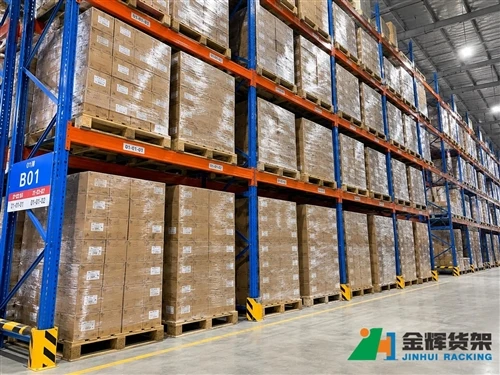
- Clearly display load capacity labels on every rack bay.
- Train forklift operators on correct pallet placement.
- Distribute loads evenly across beam levels.
- Inspect racks regularly for structural damage.
- Replace damaged components immediately.
- Never exceed published load limits.
- Document all rack inspections and repairs.
- Schedule periodic professional engineering assessments.
Following these practices helps reduce maintenance costs while ensuring safe warehouse operations.
Key Factors Affecting Pallet Rack Load Capacity
| Factor | Impact on Capacity | Recommendation |
|---|---|---|
| Beam Length | Longer spans reduce beam capacity. | Use larger beam profiles for longer spans. |
| Rack Height | Higher frames experience greater compressive forces. | Increase upright strength for high-bay systems. |
| Load Distribution | Uneven loads increase structural stress. | Center pallets evenly on beams. |
| Forklift Operation | Repeated impacts weaken structural components. | Provide operator training and rack protection. |
| Regular Inspection | Identifies damage before capacity is affected. | Implement scheduled inspection programs. |
Frequently Asked Questions
How much weight can a heavy duty pallet rack hold?
Depending on the beam size, upright design, and rack configuration, a single beam level can typically support between 1,000 kg and 5,000 kg, while complete rack bays may support well over 20,000 kg. Always refer to the manufacturer's published load ratings.
Can I increase the load capacity by replacing only the beams?
Not necessarily. While stronger beams may increase beam capacity, the overall rack is still limited by the strength of the uprights, connectors, anchors, and warehouse floor. Any upgrade should be evaluated as a complete system.
Why are load capacity labels important?
Load labels provide operators with the maximum allowable load for each rack configuration, helping prevent accidental overloading and ensuring compliance with warehouse safety procedures.
Does rack height affect load capacity?
Yes. Taller upright frames experience greater compressive forces and may require heavier-duty profiles or additional engineering reinforcement to safely support the same loads.
Who should calculate pallet rack load capacity?
Load capacity should always be calculated by qualified rack engineers or the original rack manufacturer using recognized engineering standards and the specific requirements of your warehouse.
Conclusion
Heavy duty pallet rack load capacity is determined by much more than the strength of individual beams. Uprights, connectors, anchors, floor conditions, load distribution, and warehouse operating practices all contribute to the overall performance of the storage system. Understanding these factors enables businesses to maximize storage efficiency while maintaining the highest standards of warehouse safety.
Choosing a professionally engineered pallet racking solution and adhering to published load ratings ensures reliable operation, protects valuable inventory, reduces maintenance costs, and extends the service life of your warehouse storage investment.
Choose Engineered Heavy Duty Pallet Racking from Jinhui Rack
With more than 20 years of manufacturing experience, Jinhui Rack designs and produces heavy duty selective pallet racking tailored to each customer's load requirements, warehouse layout, and operational needs. Every system is engineered for safety, durability, and long-term performance.
Learn more about our Heavy Duty Selective Pallet Racking System and discover how we can help optimize your warehouse storage with customized, high-capacity racking solutions.
WhatsApp
+8618502527163
Email
info@jhrack.com