Why Proper Installation Matters for Heavy Duty Pallet Racking
Installing heavy duty selective pallet racking is far more than simply assembling steel components. Proper installation determines the safety, stability, load-bearing capacity, and service life of the entire warehouse storage system. Even high-quality pallet racks can experience premature damage or create safety hazards if they are installed incorrectly.
Professional installation ensures that upright frames remain perfectly vertical, beams are securely connected, anchor bolts are properly tightened, and every rack row aligns accurately with the warehouse layout. These details directly affect forklift operation, pallet handling efficiency, and long-term structural reliability.
Whether you are equipping a new warehouse or expanding an existing facility, understanding the installation process helps reduce project delays, avoid unnecessary costs, and ensure the storage system performs exactly as designed.

Preparing the Warehouse Before Installation
Successful pallet rack installation begins long before the first upright frame is assembled. Proper warehouse preparation allows installers to work efficiently while minimizing disruptions and ensuring accurate rack positioning.
Before installation begins, verify the following:
- Warehouse dimensions match the approved layout drawings.
- The concrete floor has sufficient load-bearing capacity.
- Floor flatness meets installation requirements.
- Lighting is adequate for safe installation.
- All construction work has been completed.
- Forklift access routes remain unobstructed.
- Fire protection systems have been installed.
- Utility lines will not interfere with rack positioning.
Completing these checks before delivery helps prevent costly adjustments during installation.
Our Heavy Duty Selective Pallet Racking System is supplied with detailed layout drawings and engineering documentation to simplify installation and ensure every component fits precisely within the warehouse.
Step 1: Review Engineering Drawings
Professional installation always begins with reviewing the approved warehouse layout and engineering drawings.
These drawings identify:
- Rack row locations
- Aisle widths
- Beam elevations
- Bay spacing
- Forklift operating clearances
- Emergency exits
- Fire sprinkler clearance
- Expansion joints
Following approved drawings ensures that every rack row is installed exactly as designed.
Step 2: Position the Upright Frames
After marking the warehouse floor, installers position the upright frames according to the layout plan.
Each upright must remain perfectly vertical before beam installation begins. Small alignment errors at this stage can create significant problems later in the installation process.
Installers typically verify:
- Frame spacing
- Vertical plumbness
- Base plate contact
- Anchor locations
- Cross-bracing integrity

Step 3: Install Beams and Safety Locks
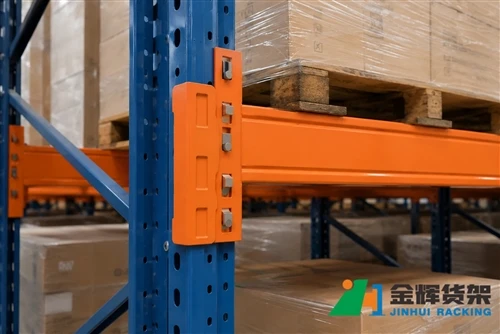
Once the upright frames have been positioned correctly, horizontal beams are installed to form the pallet storage levels.
Each beam must engage fully with the upright connectors before beam safety locks are inserted.
During installation technicians verify:
- Beam level accuracy
- Correct beam elevations
- Beam connector engagement
- Safety lock installation
- Uniform bay dimensions
Missing safety locks are one of the most common installation errors and should never be overlooked.
Step 4: Anchor the Rack System Securely
After the rack structure has been assembled and aligned, each upright base plate is anchored to the warehouse floor using approved anchor bolts.
Proper anchoring provides:
- Improved rack stability
- Greater resistance to forklift impacts
- Reduced rack movement
- Compliance with engineering specifications
- Enhanced earthquake performance where applicable
Anchor bolts should always be tightened according to the manufacturer's recommended torque values.
Step 5: Check Rack Alignment
Before the system is placed into operation, installers perform comprehensive alignment inspections.
These inspections confirm that:
- Rack rows remain straight.
- Frames are vertically plumb.
- Beam levels are horizontal.
- Aisle widths meet design specifications.
- Forklift clearances remain adequate.
- Anchor bolts are fully secured.
Proper alignment improves both warehouse safety and forklift operating efficiency.
Essential Tools for Pallet Rack Installation
| Installation Tool | Purpose | Importance |
|---|---|---|
| Laser Level | Rack alignment | Critical |
| Torque Wrench | Anchor bolt tightening | Critical |
| Hammer Drill | Concrete drilling | Critical |
| Tape Measure | Rack positioning | High |
| Spirit Level | Vertical inspection | High |
| Forklift or Lift Platform | Beam installation | Essential |
Step 6: Install Rack Protection Accessories
Once the primary rack structure has been secured, protective accessories should be installed before warehouse operations begin. These components help minimize damage caused by accidental forklift impacts and extend the service life of the pallet racking system.
Common rack protection accessories include:
- Upright column protectors
- End-of-row barriers
- Guide rails
- Steel safety barriers
- Row spacers
- Pallet support bars
- Wire mesh decking
- Rack identification labels
Although these accessories represent a relatively small portion of the overall project cost, they can significantly reduce future repair expenses and improve warehouse safety.
Step 7: Verify Load Capacity Labels
Before the pallet racking system is put into service, each rack row should display clear load capacity labels. These labels inform forklift operators and warehouse personnel of the maximum allowable loads for every storage level.
Load capacity labels typically include:
- Maximum load per beam level
- Maximum bay capacity
- Maximum frame capacity
- Beam elevation information
- Manufacturer identification
- Installation date (optional)
Clearly visible load notices help prevent accidental overloading and improve warehouse safety compliance.
Step 8: Perform a Final Safety Inspection
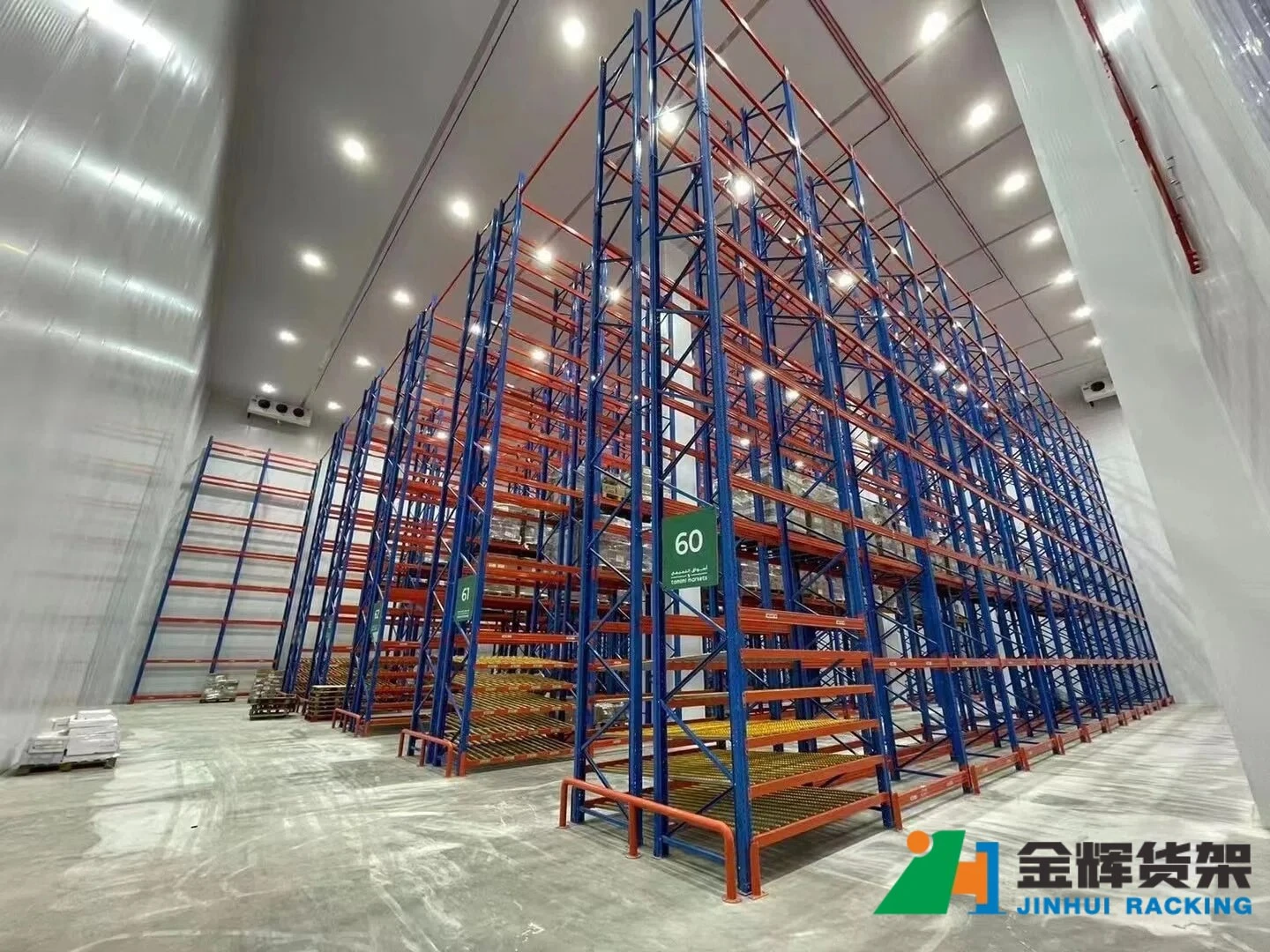
Before inventory is loaded onto the racking, a comprehensive inspection should be completed to verify that every structural component has been installed correctly.
A professional commissioning inspection generally checks:
- Frame plumbness
- Beam engagement
- Safety lock installation
- Anchor bolt torque
- Rack alignment
- Floor anchoring condition
- Protective accessories
- Load capacity labels
Only after all inspection items have been approved should the storage system enter normal warehouse operation.
Common Installation Mistakes to Avoid
Even experienced installation teams can make mistakes if installation procedures are not followed carefully. Identifying these issues early prevents expensive repairs and unnecessary downtime.
The most common installation mistakes include:
- Installing racks on uneven concrete floors.
- Failing to tighten anchor bolts correctly.
- Missing beam safety locks.
- Incorrect beam elevations.
- Insufficient aisle clearance.
- Ignoring sprinkler clearance requirements.
- Improper rack alignment.
- Loading inventory before final inspection.
Following manufacturer installation instructions and engineering drawings greatly reduces these risks.
Should You Install Pallet Racking Yourself?
Some businesses consider self-installation to reduce project costs. While this may be practical for very small storage systems, large heavy duty pallet racking installations should generally be completed by experienced professionals.
Professional installers provide several advantages:
- Faster project completion.
- Accurate rack alignment.
- Correct anchor installation.
- Compliance with engineering drawings.
- Improved warehouse safety.
- Reduced long-term maintenance.
Professional installation also minimizes the risk of structural problems that could affect warehouse operations for years to come.
Warehouse Pallet Rack Installation Checklist
| Installation Stage | Inspection Item | Status Before Operation |
|---|---|---|
| Warehouse Preparation | Floor and layout verified | Required |
| Rack Assembly | Frames and beams installed correctly | Required |
| Anchoring | Anchor bolts tightened | Required |
| Rack Alignment | Frames plumb and rows aligned | Required |
| Safety Accessories | Protectors and barriers installed | Recommended |
| Final Inspection | System approved for operation | Mandatory |
Frequently Asked Questions
Can heavy duty pallet racking be installed on any concrete floor?
No. The warehouse floor must have sufficient load-bearing capacity, appropriate flatness, and adequate concrete strength to support the fully loaded rack system safely.
Should pallet racks always be anchored to the floor?
Yes. Heavy duty selective pallet racking should normally be anchored using approved anchor bolts to improve stability and comply with engineering and safety requirements.
How long does pallet rack installation take?
The installation schedule depends on the project size, warehouse conditions, number of rack bays, ceiling height, and available equipment. Large warehouse projects may require several days or multiple weeks.
Can existing pallet racking be expanded later?
Yes. Properly engineered selective pallet racking can often be expanded by adding new bays, extending rack rows, or increasing storage levels, provided the existing system was designed with future expansion in mind.
Why is professional installation recommended?
Professional installers ensure correct assembly, accurate alignment, secure anchoring, and compliance with engineering specifications, reducing long-term maintenance costs and improving warehouse safety.
Conclusion
A properly installed heavy duty selective pallet racking system provides the structural foundation for safe, efficient, and reliable warehouse operations. Careful planning, accurate layout, secure anchoring, professional alignment, and comprehensive final inspections all contribute to maximizing the lifespan and performance of the storage system.
Rather than viewing installation as a simple assembly process, businesses should treat it as an essential investment in warehouse safety, operational efficiency, and long-term asset protection. Following professional installation practices minimizes future maintenance, reduces operational risks, and ensures the racking system performs exactly as engineered.
Partner with Jinhui Rack for Professional Warehouse Storage Solutions
With more than 20 years of manufacturing experience, Jinhui Rack provides complete heavy duty selective pallet racking solutions, including warehouse layout design, structural engineering, customized manufacturing, installation guidance, and technical support. We help businesses around the world build safer, more efficient warehouse storage systems that deliver reliable performance for years to come.
Learn more about our Heavy Duty Selective Pallet Racking System and contact our engineering team for a customized warehouse storage solution.
WhatsApp
+8618502527163
Email
info@jhrack.com