Why Regular Pallet Rack Maintenance Is Essential
Heavy duty selective pallet racking is engineered to provide decades of reliable service, but even the strongest warehouse storage systems require regular maintenance. Daily forklift traffic, repeated pallet loading and unloading, accidental impacts, environmental conditions, and heavy loads gradually affect rack components over time. Without routine inspections, small issues can develop into major structural problems that compromise warehouse safety and increase operating costs.
A preventive maintenance program not only extends the service life of pallet racking but also minimizes downtime, reduces repair expenses, improves warehouse efficiency, and protects valuable inventory. Businesses that inspect and maintain their storage systems regularly experience fewer accidents, lower replacement costs, and better long-term return on investment.
This guide explains how to inspect, maintain, and protect heavy duty selective pallet racking so that your warehouse continues operating safely and efficiently for many years.

What Causes Pallet Racking to Deteriorate?
Although heavy duty pallet racking is manufactured from high-strength structural steel, it operates in demanding industrial environments where constant use naturally causes wear.
The most common causes of rack deterioration include:
- Frequent forklift impacts
- Overloaded pallet positions
- Improper pallet placement
- Loose anchor bolts
- Corrosion in humid environments
- Damaged beam connectors
- Floor settlement
- Poor warehouse housekeeping
Understanding these risk factors allows warehouse managers to identify potential problems before they become serious safety hazards.
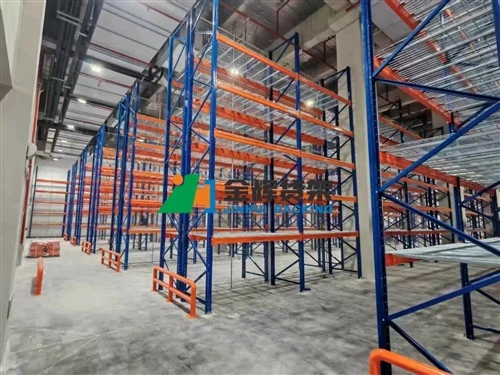
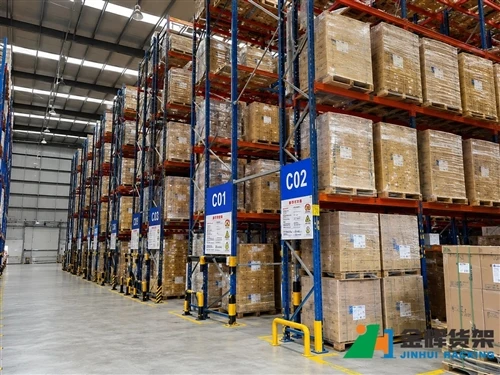
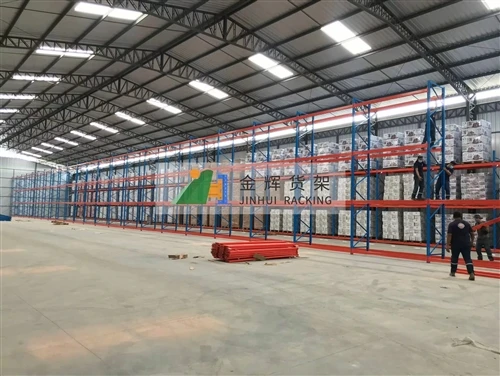
Our Heavy Duty Selective Pallet Racking System is manufactured using high-quality structural steel with durable powder coating to provide excellent long-term performance under demanding warehouse conditions.
How Often Should Warehouse Racking Be Inspected?
Pallet rack inspections should become part of every warehouse's routine safety program. Inspection frequency depends on forklift traffic, warehouse activity, and storage conditions.
A typical inspection schedule includes:
- Daily visual inspections by forklift operators.
- Weekly checks by warehouse supervisors.
- Monthly maintenance inspections.
- Quarterly safety audits.
- Annual inspections by qualified rack specialists.
High-volume distribution centers may require more frequent inspections because of increased forklift activity and heavier operational demands.
Daily Inspection Checklist
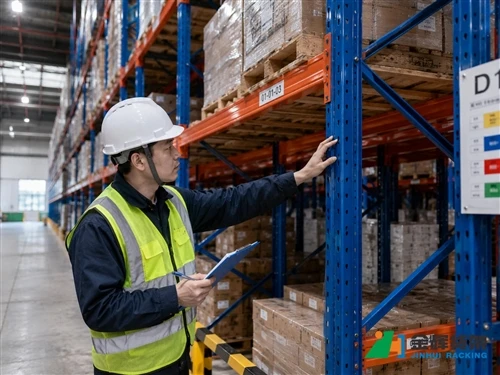
Daily inspections help identify obvious damage before it affects warehouse operations. Operators should perform quick visual checks while carrying out normal warehouse activities.
Inspect the following items:
- Visible bent uprights
- Damaged beams
- Missing beam safety locks
- Loose pallets
- Forklift impact marks
- Damaged column protectors
- Obstructed aisles
- Missing load capacity labels
Any damaged components should be reported immediately and isolated until repairs are completed.

Monthly Structural Inspection
Monthly inspections involve a more detailed examination of the entire pallet racking system. Unlike daily visual checks, these inspections evaluate the structural condition of every major rack component.
Monthly inspections should include:
- Upright plumbness
- Beam deflection
- Frame bracing
- Anchor bolt condition
- Base plate damage
- Rack alignment
- Surface corrosion
- Protective barrier condition
Keeping written inspection records helps track recurring issues and supports long-term maintenance planning.
Inspecting Upright Frames
The upright frame is the primary load-bearing component of any heavy duty pallet racking system. Because forklifts operate close to the base of each frame, uprights are the components most likely to suffer accidental impact damage.
Inspect upright frames for:
- Bending
- Twisting
- Cracks
- Damaged bracing
- Loose bolts
- Corrosion
- Base plate deformation
If significant damage is found, the affected rack bay should be unloaded immediately until professional repairs are completed.
Inspecting Beams and Beam Connectors
Horizontal beams support the full weight of stored pallets. Repeated loading cycles or accidental impacts may gradually affect beam performance.
Check beams for:
- Permanent deflection
- Twisted beam profiles
- Connector damage
- Missing safety pins
- Paint cracking around connectors
- Excessive corrosion
Beam connectors must remain fully engaged with upright frames to maintain the designed load capacity.
Checking Floor Anchors and Base Plates
Anchor bolts secure pallet racking to the warehouse floor and prevent structural movement during normal operations. Loose anchors reduce rack stability and should be corrected immediately.
Inspect:
- Anchor bolt tightness
- Concrete cracking
- Base plate deformation
- Anchor corrosion
- Missing anchors
Never continue using heavily loaded racks with damaged anchoring systems.
Warehouse Pallet Rack Inspection Schedule
| Inspection Frequency | Responsible Person | Main Inspection Items |
|---|---|---|
| Daily | Forklift Operators | Visible damage, loose pallets, aisle condition |
| Weekly | Warehouse Supervisor | Beam locks, upright condition, safety barriers |
| Monthly | Maintenance Team | Structural inspection, anchors, corrosion |
| Quarterly | Safety Manager | Warehouse safety audit |
| Annually | Professional Rack Inspector | Complete engineering assessment |
How to Prevent Forklift Damage to Pallet Racking
Forklift impact is one of the leading causes of pallet rack damage worldwide. Even low-speed collisions can gradually weaken upright frames, loosen anchor bolts, and reduce the structural integrity of the entire storage system. While heavy duty selective pallet racking is engineered to withstand demanding warehouse operations, repeated impacts can eventually lead to costly repairs or unsafe working conditions.
Preventing forklift damage should therefore be a priority for every warehouse manager.
Effective prevention measures include:
- Providing regular forklift operator training.
- Installing upright column protectors.
- Using end-of-row safety barriers.
- Clearly marking travel lanes.
- Maintaining sufficient aisle widths.
- Enforcing warehouse speed limits.
- Improving warehouse lighting.
- Replacing damaged protective barriers promptly.
These preventive measures significantly reduce accidental collisions while extending the overall service life of the pallet racking system.

Maintaining Protective Accessories
Protective accessories are designed to absorb impact energy before damage reaches the structural components of the rack system. Although these accessories are relatively inexpensive compared with the racking itself, they require regular inspection to ensure they continue providing effective protection.
Warehouse maintenance personnel should inspect:
- Column protectors
- End-of-row barriers
- Guide rails
- Pallet support bars
- Wire mesh decking
- Safety signage
- Rack identification labels
Any damaged protection device should be repaired or replaced immediately to prevent further structural damage.
Managing Corrosion and Environmental Conditions
Although powder-coated pallet racking offers excellent corrosion resistance, certain environments require additional maintenance. Cold storage facilities, food processing plants, coastal warehouses, and chemical storage facilities often expose steel structures to moisture, salt, or corrosive substances.
Preventive measures include:
- Keeping rack surfaces clean and dry.
- Repairing damaged powder coating.
- Removing standing water promptly.
- Maintaining warehouse ventilation.
- Using corrosion-resistant finishes where required.
- Conducting more frequent inspections in humid environments.
Early treatment of surface corrosion helps prevent more serious structural deterioration later.
When Should Damaged Rack Components Be Replaced?
Not every damaged component requires complete rack replacement, but structural damage should never be ignored. Minor cosmetic scratches usually have little effect on performance, whereas bent uprights, severely deformed beams, or damaged connectors may reduce the designed load capacity.
Components that often require replacement include:
- Heavily bent upright frames.
- Twisted load beams.
- Broken beam connectors.
- Missing or damaged safety locks.
- Deformed base plates.
- Severely corroded structural members.
Whenever structural damage is discovered, the affected storage location should be unloaded immediately until repairs have been completed and inspected.
Best Practices for Extending Rack Service Life
Long-term warehouse performance depends on consistent maintenance rather than occasional repairs. Companies that follow preventive maintenance programs often achieve service lives exceeding 20 years for their heavy duty pallet racking systems.
Recommended best practices include:
- Train all forklift operators regularly.
- Never exceed rated load capacities.
- Inspect racks according to a documented schedule.
- Replace damaged components immediately.
- Maintain accurate maintenance records.
- Install adequate rack protection accessories.
- Keep warehouse floors clean and level.
- Conduct annual inspections by qualified professionals.
Preventive maintenance costs are typically far lower than emergency repairs or replacing damaged inventory after a rack failure.
Heavy Duty Pallet Rack Maintenance Checklist
| Maintenance Item | Recommended Frequency | Purpose |
|---|---|---|
| Visual Rack Inspection | Daily | Identify visible damage early. |
| Structural Inspection | Monthly | Evaluate beams, uprights and anchors. |
| Forklift Safety Review | Quarterly | Reduce collision risks. |
| Corrosion Inspection | Every 6 Months | Protect structural steel. |
| Professional Rack Audit | Annually | Comprehensive engineering assessment. |
Frequently Asked Questions
How long does heavy duty pallet racking typically last?
With proper maintenance, high-quality heavy duty selective pallet racking can remain in service for 20 years or more. Actual lifespan depends on warehouse conditions, forklift traffic, load capacity, and inspection frequency.
Can a bent upright be repaired?
Minor cosmetic damage may be repairable, but significantly bent uprights should usually be replaced. A qualified rack specialist should evaluate any structural damage before the rack is returned to service.
How often should pallet racks undergo professional inspections?
Most warehouses should arrange a comprehensive professional inspection at least once each year. Facilities with high forklift traffic or demanding operating conditions may require more frequent assessments.
What is the most common cause of pallet rack damage?
Accidental forklift impacts are the leading cause of structural rack damage, particularly to upright frames near ground level.
Why are maintenance records important?
Documented inspection and maintenance records help track recurring issues, support warehouse safety programs, simplify future audits, and extend the overall service life of the storage system.
Conclusion
Heavy duty selective pallet racking represents a long-term investment in warehouse productivity. Protecting that investment requires more than purchasing high-quality equipment-it depends on consistent inspections, preventive maintenance, trained forklift operators, and timely replacement of damaged components.
By implementing a structured maintenance program, businesses can significantly improve warehouse safety, reduce unexpected repair costs, extend rack service life, and maintain efficient daily operations. Preventive maintenance not only protects the racking system itself but also safeguards employees, inventory, and overall warehouse performance.
Keep Your Warehouse Racking Performing at Its Best with Jinhui Rack
Jinhui Rack has over 20 years of experience designing and manufacturing heavy duty warehouse storage systems for customers worldwide. In addition to providing high-quality selective pallet racking, we offer technical guidance on inspection, maintenance, system upgrades, and long-term warehouse optimization to help customers maximize the value of their storage investment.
Explore our Heavy Duty Selective Pallet Racking System to learn how our customized storage solutions can improve warehouse safety, efficiency, and long-term operational performance.
WhatsApp
+8618502527163
Email
info@jhrack.com