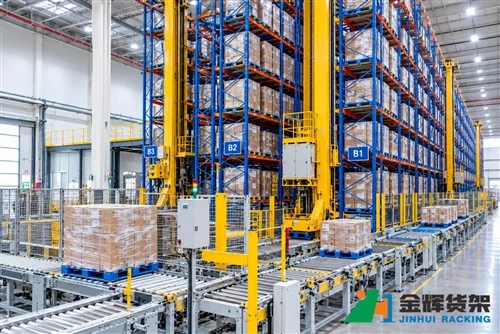
Key Factors to Consider Before Choosing a Heavy Duty Pallet Rack
Choosing the right heavy duty pallet rack is one of the most important decisions when designing or upgrading a warehouse. A well-designed racking system not only determines how much inventory your facility can store, but also influences picking efficiency, forklift productivity, warehouse safety, inventory accuracy, and future expansion opportunities.
Many businesses focus primarily on rack pricing when comparing suppliers. However, the true cost of a pallet racking system extends far beyond the initial purchase price. Selecting the wrong rack dimensions, load capacity, or warehouse layout can lead to inefficient space utilization, increased operating costs, and expensive modifications in the future.
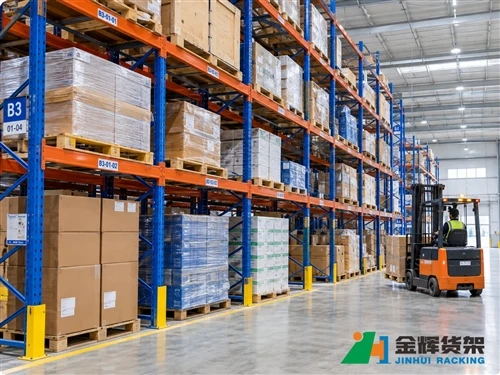
Heavy duty selective pallet racking remains the most widely used warehouse storage solution worldwide because it provides direct pallet access, excellent flexibility, high load capacity, and compatibility with almost every type of forklift. Whether you operate a manufacturing plant, third-party logistics (3PL) warehouse, retail distribution center, or e-commerce fulfillment facility, selecting the correct pallet rack configuration is essential for long-term warehouse performance.
This guide walks you through every major factor that should be evaluated before purchasing heavy duty pallet racking, helping you build a storage system that is efficient, safe, scalable, and cost-effective.

Why Choosing the Right Pallet Rack Is So Important
A pallet racking system is typically expected to remain in operation for 10–20 years or longer. Unlike shelving or movable warehouse equipment, pallet racks become part of the warehouse infrastructure, making replacement or modification both costly and disruptive.
The right heavy duty pallet rack should support your current inventory while providing enough flexibility to accommodate business growth. Proper planning can improve storage density, reduce forklift travel time, increase inventory visibility, and lower overall operating costs.
A well-designed warehouse racking system offers several long-term advantages:
- Maximum utilization of available warehouse space
- 100% direct access to every pallet
- Improved inventory management
- Higher forklift operating efficiency
- Enhanced workplace safety
- Lower maintenance costs
- Flexible expansion for future growth
Learn more about our Heavy Duty Selective Pallet Racking engineered for industrial warehouses.
Step 1: Evaluate Your Warehouse Layout
Every warehouse is different. Before selecting a pallet racking system, it is essential to understand the physical characteristics of the building.
A professional warehouse layout analysis should include:
- Building length and width
- Available ceiling height
- Column spacing
- Fire protection systems
- Dock door locations
- Emergency exits
- Forklift travel routes
- Receiving and shipping areas
The objective is to maximize pallet positions while maintaining safe forklift operation and efficient material flow.

Step 2: Know Your Pallet Specifications
Every pallet rack is designed around the pallets it will store. Incorrect pallet measurements can lead to insufficient beam spacing, unsafe loading conditions, or wasted storage space.
Before engineering begins, collect accurate information regarding:
- Pallet dimensions
- Maximum pallet weight
- Load overhang
- Load stability
- Pallet material
- Bottom deckboard design
These factors determine beam length, upright spacing, bay width, and overall rack capacity.
Step 3: Calculate Required Load Capacity
Load capacity is one of the most critical engineering considerations. Every beam level, upright frame, and complete rack bay must safely support the intended pallet loads while complying with local engineering standards.
Warehouse managers should determine:
- Maximum pallet weight
- Average pallet weight
- Number of pallets per beam level
- Total bay capacity
- Maximum rack height
Choosing a rack solely based on today's inventory can be a mistake. Future products may be heavier, making additional load capacity a valuable investment.
Step 4: Analyze Your Inventory Profile
The number of Stock Keeping Units (SKUs) stored in your warehouse greatly influences the ideal racking solution.
Heavy duty selective pallet racking performs best when warehouses require direct access to many different products.
Typical applications include:
- Manufacturing
- Automotive parts
- Retail distribution
- E-commerce fulfillment
- Third-party logistics (3PL)
- Medical products
- Industrial equipment
If your warehouse stores large quantities of identical products with low inventory turnover, higher-density storage systems may also be considered.
Step 5: Select the Proper Rack Dimensions
Rack dimensions directly influence storage capacity and warehouse efficiency.
The engineering team should determine:
- Upright height
- Beam length
- Beam level spacing
- Number of storage levels
- Bay width
- Rack depth
Proper dimensions ensure safe forklift operation while maximizing vertical warehouse space.
| Design Factor | Why It Matters | Recommendation |
|---|---|---|
| Rack Height | Determines vertical storage capacity. | Use the maximum safe building height. |
| Beam Length | Supports pallet size. | Allow adequate clearance between pallets. |
| Rack Depth | Improves pallet stability. | Match standard pallet dimensions. |
| Beam Levels | Determines storage positions. | Maximize usable warehouse height. |
Step 6: Choose the Right Forklift and Aisle Width
Your pallet racking system and material handling equipment should always be planned together. Even the best-designed warehouse layout can become inefficient if the selected forklifts require wider aisles than expected or cannot safely reach the upper storage levels.
Heavy duty selective pallet racking is one of the most flexible storage systems because it is compatible with nearly every standard warehouse forklift, including counterbalance forklifts, reach trucks, articulated forklifts, VNA (Very Narrow Aisle) trucks, and electric forklifts.
When determining aisle width, warehouse designers should evaluate:
- Forklift turning radius
- Maximum lifting height
- Pallet dimensions
- Warehouse traffic flow
- Loading and unloading frequency
- Operator safety requirements
Choosing narrower aisles can significantly increase storage capacity, but this often requires specialized forklifts. A balance between storage density and operating efficiency usually provides the best long-term return.

Step 7: Plan for Future Warehouse Expansion
Many warehouses outgrow their original storage capacity within only a few years. Instead of designing a system that only meets today's inventory requirements, businesses should consider future expansion during the initial planning stage.
Heavy duty selective pallet racking features a modular structure, making it relatively easy to extend rack rows, increase storage levels, or add new warehouse sections as business grows.
When planning for expansion, consider:
- Projected inventory growth
- Additional SKUs
- Warehouse automation upgrades
- New forklift equipment
- Expansion of receiving and shipping operations
- Potential relocation to larger facilities
A scalable warehouse design minimizes future disruption and protects your long-term investment.
Step 8: Consider Safety and Compliance
Warehouse safety should never be compromised for additional storage capacity. A professionally engineered pallet racking system must comply with applicable industry standards and local regulations while providing sufficient structural strength for daily warehouse operations.
Important safety considerations include:
- Rack load capacity labels
- Anchor bolt installation
- Beam safety locks
- Column protectors
- End-of-aisle guards
- Routine rack inspections
- Operator training
Regular inspections help identify impact damage, loose components, or overloaded beams before they become serious safety hazards.
Step 9: Evaluate the Total Cost of Ownership
The purchase price of pallet racking represents only a portion of the total investment. Decision-makers should evaluate the complete lifecycle cost rather than comparing quotations based solely on price.
Total ownership costs may include:
- Rack manufacturing
- Transportation
- Installation
- Forklift upgrades
- Warehouse layout design
- Maintenance
- Future expansion
- Replacement components
Although heavy duty selective pallet racking may not always be the lowest-priced option initially, its flexibility, durability, and compatibility with standard forklifts often result in lower operating costs over its service life.
Heavy Duty Selective Pallet Racking Selection Checklist
| Selection Item | Questions to Ask | Recommended Action |
|---|---|---|
| Warehouse Dimensions | Can vertical space be fully utilized? | Measure the facility before design. |
| Pallet Size | Are pallet dimensions standardized? | Provide accurate pallet specifications. |
| Load Capacity | What is the maximum pallet weight? | Engineer racks with sufficient safety margins. |
| Forklift Equipment | Can existing forklifts be used? | Verify aisle width compatibility. |
| Future Expansion | Will storage demand increase? | Choose a modular rack system. |
| Budget | Are lifetime costs being considered? | Evaluate total cost of ownership. |
Common Mistakes When Buying Heavy Duty Pallet Racking
Many warehouse projects exceed their budgets or fail to achieve expected efficiency because critical planning steps were overlooked during the purchasing process.
The most common mistakes include:
- Choosing racks based only on price.
- Ignoring future warehouse expansion.
- Using incorrect pallet dimensions.
- Underestimating pallet load weight.
- Selecting incompatible forklifts.
- Leaving insufficient aisle clearance.
- Purchasing non-certified racking systems.
- Overlooking routine inspection requirements.
Working with an experienced warehouse storage manufacturer can help avoid these costly mistakes and ensure the system meets both current and future operational needs.
Frequently Asked Questions
What is the best pallet racking system for warehouses with many SKUs?
Heavy duty selective pallet racking is generally the best choice because it provides direct access to every pallet, making inventory management faster and more flexible.
How high can heavy duty selective pallet racking be installed?
The maximum height depends on the building structure, forklift lifting capability, and engineering requirements. Many industrial warehouses install selective racks exceeding 10 meters, while high-bay facilities can be considerably taller.
Can heavy duty selective pallet racking be expanded later?
Yes. One of the biggest advantages of selective pallet racking is its modular design, allowing additional bays, levels, or entire rack rows to be added as storage demand grows.
Which forklift is best for selective pallet racking?
Reach trucks are commonly used because they provide excellent lifting height while maintaining relatively narrow aisle requirements. However, the optimal forklift depends on warehouse layout and operating conditions.
How long does a heavy duty pallet rack system typically last?
With proper installation, regular inspections, and routine maintenance, a high-quality pallet racking system can provide reliable service for decades.
Conclusion
Choosing the right heavy duty pallet rack involves much more than selecting beam sizes or comparing supplier quotations. Warehouse layout, pallet specifications, load capacity, forklift compatibility, inventory profile, future expansion, and safety requirements all play an important role in designing an efficient storage solution.
Heavy duty selective pallet racking continues to be the preferred choice for businesses seeking maximum flexibility, direct pallet accessibility, and long-term operational efficiency. By investing in a professionally engineered system that matches your warehouse requirements, you can improve productivity, maximize storage capacity, and reduce operating costs for years to come.
Build a Smarter Warehouse with Jinhui Rack
Jinhui Rack has more than 20 years of experience designing and manufacturing heavy duty warehouse storage systems for customers around the world. Our engineering team provides customized rack layouts, structural calculations, manufacturing, and installation support to help you maximize warehouse performance.
Explore our Heavy Duty Selective Pallet Racking System to find the right solution for your warehouse.
WhatsApp
+8618502527163
Email
info@jhrack.com