Long and oversized materials can be difficult to organize in a warehouse. Steel pipes, timber, aluminum profiles, metal bars, boards, and construction materials often vary in length, weight, and shape. When these products are placed wherever space is available, they can occupy valuable floor space, complicate forklift movements, and make inventory retrieval less efficient.
A well-organized long-material storage area requires more than installing suitable racks. Warehouse teams also need a consistent method for classifying materials, assigning storage locations, controlling access, and preparing loads for movement. These practices help make better use of available space while keeping daily operations predictable.
This guide explains how to organize long and oversized materials, establish practical storage zones, and use cantilever racking as part of a coordinated warehouse workflow.
Why Long Materials Need a Different Storage Approach
Long materials behave differently from standard palletized goods. Their length may exceed the footprint of a conventional pallet, and their shape may make them difficult to stack securely. Some products can bend or sag if they are not supported appropriately, while bundles of pipes or bars may shift if they are not properly secured.
Common challenges include:
- Irregular dimensions: Products may have different lengths, widths, diameters, and profiles.
- Unstable stacking: Long or rounded items may move when stacked without suitable support or restraint.
- Difficult identification: Similar-looking profiles and pipes can be difficult to distinguish when stored together.
- Restricted handling space: Long loads require sufficient room for turning, positioning, and retrieval.
- Damage during movement: Dragging, impact, and unsuitable support can damage product surfaces or deform materials.
These challenges make it important to establish storage rules based on the physical characteristics of the materials and the equipment used to handle them.
Step 1: Classify Materials Before Assigning Storage Locations
The first step is to create a clear inventory classification system. Instead of grouping every long product together, separate materials according to characteristics that affect storage and handling.
| Classification Factor | Examples | Why It Matters |
|---|---|---|
| Material type | Steel, aluminum, timber, PVC | Helps distinguish products with different handling and protection requirements. |
| Length | Short, medium, and long stock categories | Supports suitable location assignment and handling preparation. |
| Cross-sectional shape | Pipe, tube, bar, profile, board | Helps determine support, stacking, and restraint requirements. |
| Weight | Recorded weight per piece or bundle | Supports load planning and verification of storage suitability. |
| Surface condition | Painted, polished, coated, unfinished | Helps define protection measures to reduce scratches and damage. |
| Order status | Incoming, available stock, reserved, outgoing | Helps prevent picking errors and unnecessary material movement. |
Classification should be detailed enough to support daily decisions without becoming difficult to maintain. Start with the material categories that account for most of the inventory, then add more specific categories where they improve identification or handling.
Step 2: Create Dedicated Storage Zones
After classifying the materials, assign storage zones according to their dimensions, handling needs, and movement frequency. A dedicated zone makes it easier for operators to locate products and understand which handling procedures apply.
Separate Different Material Profiles
Where practical, store pipes, structural steel, timber, boards, and aluminum profiles in clearly identified areas. These materials may require different support arrangements or surface-protection measures, so separating them can reduce handling confusion.
For products with similar appearances, use clear identification and distinguishable location records. Do not rely on visual similarity alone when selecting material for an order.
Keep Long and Short Stock Organized
Different lengths may require different storage positions and handling preparations. Grouping similar lengths can simplify retrieval and reduce the need to rearrange unrelated stock.
However, length categories should not replace checks of the actual product dimensions and weight. Each storage position must remain suitable for the material placed there.
Separate Available Stock from Reserved Orders
Materials reserved for a customer order or production job should be identifiable in the warehouse records. If reserved stock is mixed indiscriminately with available inventory, workers may pick the wrong material or move the same bundle multiple times.
Use a consistent status system and ensure that physical identification agrees with the warehouse inventory records.
How Cantilever Racking Supports Long-Material Organization
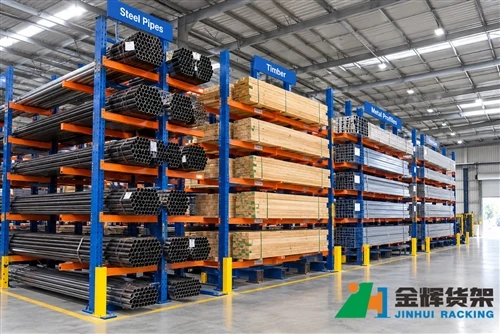
Cantilever racking is designed for long, bulky, or irregular materials that can be difficult to accommodate on conventional pallet racks. Its open-front arrangement uses horizontal arms extending from upright columns, providing access for storing and retrieving suitable materials.
For a warehouse handling several types of long products, designated rack levels or bays can help separate inventory by length, profile, material type, or order status. The actual arrangement must be designed around the products being stored and the material-handling equipment used at the site.
Explore JINHUI Cantilever Racking Solutions for long-material storage applications. The appropriate configuration depends on the material dimensions, load distribution, required support points, available space, and handling method.
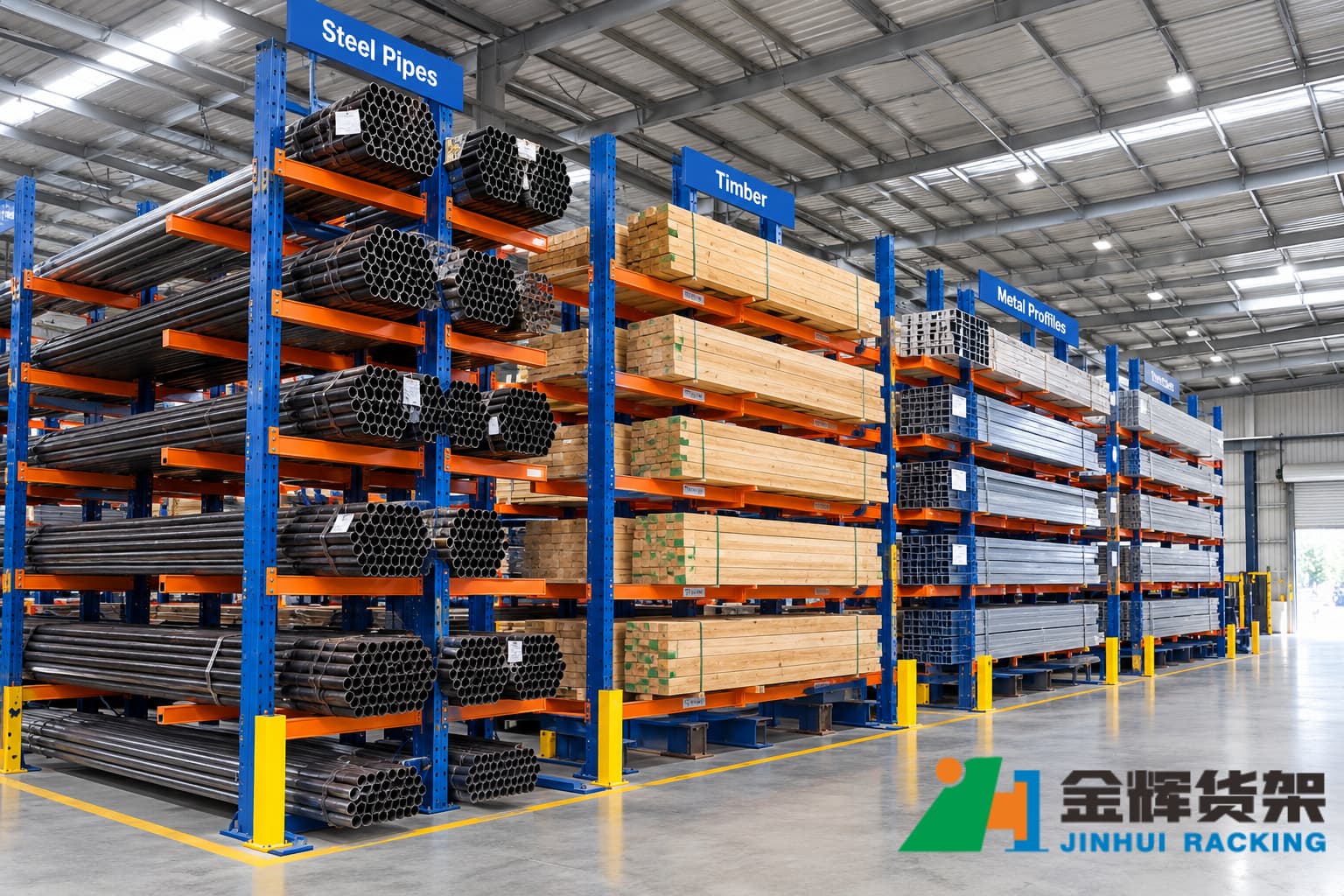
Clearly separated storage zones help warehouse teams identify long materials, access the correct stock, and maintain consistent handling practices.
Step 3: Establish Consistent Storage and Retrieval Procedures
Even a well-planned storage layout can become inefficient if operators follow different procedures. A consistent workflow helps ensure that long materials are identified, moved, and returned to the correct locations.
Before Putting Materials into Storage
- Confirm the material identity, dimensions, and quantity.
- Check the condition of the material and its packaging or bundle restraints.
- Verify that the intended location is approved for the load and storage method.
- Prepare suitable handling equipment and confirm that the travel route is clear.
- Place the material according to the site's approved loading procedure.
Before Retrieving Materials
- Confirm the product description and required length or profile.
- Check the storage record and verify the physical location.
- Ensure the load is stable and can be removed using the planned method.
- Keep personnel clear of the load movement area.
- Update the inventory record after the material has been removed or transferred.
These procedures should be adapted to the actual equipment and materials in use. Long loads can create visibility and turning challenges, so operators must follow site-specific traffic controls and approved handling practices.
Step 4: Reduce Material Damage During Storage
Long products can be vulnerable to scratches, bending, impact, and movement during handling. The appropriate protection method depends on the material, its finish, stiffness, and the way it is bundled.
Use Suitable Support Points
Materials should be supported in accordance with their characteristics and the rack design. Long or flexible products may sag if the support arrangement is unsuitable. The number and position of supports should be determined from the actual material dimensions, weight, stiffness, and approved storage configuration.
Prevent Uncontrolled Movement
Round products such as pipes can roll, while bundled bars or profiles may shift if they are not secured properly. Use suitable restraints, stops, or handling accessories where required by the material and storage arrangement.
Do not assume that the rack arms alone will prevent a bundle from moving. Confirm that the complete storage method is appropriate for the load.
Protect Sensitive Surfaces
Finished aluminum profiles, coated steel, and polished products may require additional protection against abrasion or impact. Define how such products should be placed, separated, and handled to reduce damage during routine operations.
Step 5: Improve Identification and Inventory Control
Long-material warehouses can contain products with similar profiles but different dimensions, grades, finishes, or order requirements. Clear identification helps prevent picking errors and reduces time spent searching for stock.
Each storage location should have a consistent reference that matches the warehouse inventory system. Product records should include the information necessary to distinguish similar items, such as material type, profile, length, and applicable product identification.
When materials are transferred between zones, update the location record promptly. If stock is divided into smaller bundles or quantities, record the change so that the system reflects the actual inventory.
Periodic checks can help identify misplaced materials, incorrect labels, and differences between recorded and physical stock. Focus first on high-movement products and items that are difficult to distinguish.
Common Mistakes in Long-Material Storage
Placing Materials Wherever Space Is Available
Using any empty location may seem convenient, but it can mix incompatible products, complicate retrieval, and create unsafe handling conditions. Assign locations according to approved storage rules rather than short-term convenience.
Ignoring the Shape and Flexibility of Materials
Two products with similar lengths may require different support arrangements. Pipes, rigid steel sections, flexible profiles, and boards should be assessed according to their actual characteristics.
Moving Long Loads Through Unsuitable Routes
Long materials require adequate clearance for travel and turning. Before movement, check the route, nearby equipment, pedestrian access, and the ability to position the load safely.
Failing to Update Inventory Records
Incorrect location information can cause unnecessary searching, repeated handling, and picking errors. Update records whenever materials are moved, reserved, issued, or returned.
Changing Rack Arrangements Without Review
Moving cantilever arms or changing the loading arrangement without checking the approved design can affect support and load distribution. Consult the rack supplier or an appropriately qualified professional before modifying the system.
Checklist for a More Organized Long-Material Warehouse
- Classify materials by type, length, profile, weight, and handling requirements.
- Assign clearly identified storage zones to suitable material categories.
- Verify that rack locations and support arrangements are appropriate for each load.
- Establish standard procedures for receiving, storing, retrieving, and transferring materials.
- Provide suitable protection for products vulnerable to scratching or deformation.
- Keep travel routes and handling areas clear.
- Maintain accurate location records and product identification.
- Train operators in the approved handling procedures for long loads.
- Review storage practices when product dimensions, inventory volumes, or handling equipment change.
Conclusion
Organizing long and oversized materials requires coordinated planning of inventory categories, storage locations, material support, and handling procedures. Without consistent rules, long products can occupy unnecessary space, become difficult to identify, or require repeated movement before they can be retrieved.
By creating dedicated storage zones, using suitable cantilever racking, protecting vulnerable materials, and maintaining accurate inventory records, warehouse teams can improve organization and make daily storage operations more consistent.
JINHUI provides cantilever racking solutions for warehouses handling long, bulky, and irregular materials. To evaluate a storage project, prepare the material dimensions, maximum loads, inventory types, warehouse layout, and handling equipment details.
For project inquiries, please contact our team through the following channels:
Website: www.jinhui-rack.com
Contact page: Contact Us
Email: info@jhrack.com
WhatsApp: +86 185 0252 7163