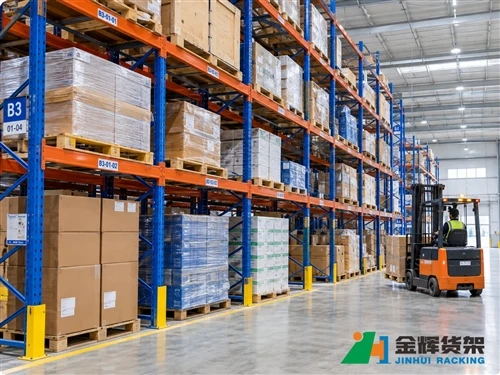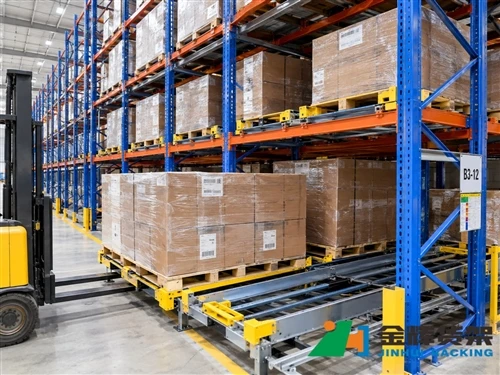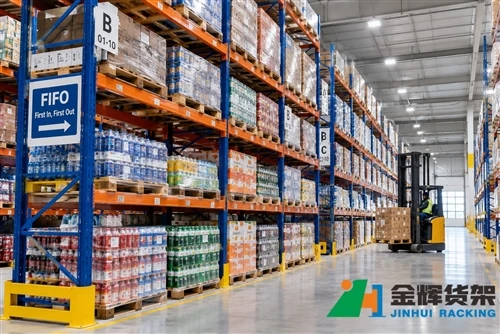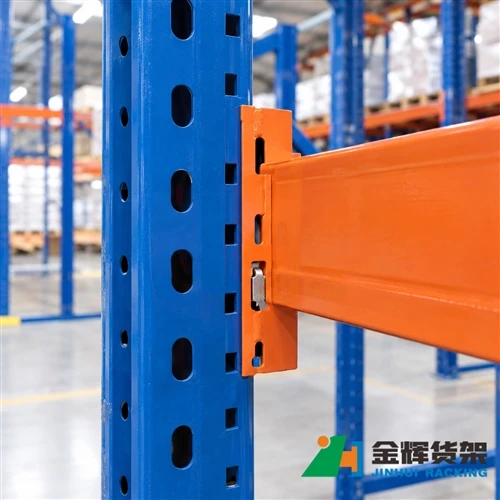
Push back pallet racking helps warehouses increase storage density by storing multiple pallets in depth while allowing loading and retrieval from the same aisle. Its inclined rails and nested carts allow pallets to move backward during loading and forward during retrieval.
However, a push back rack can become difficult to operate if pallets are loaded incorrectly, carts do not move freely, loads are unsuitable, or components are damaged. A jammed lane can interrupt warehouse operations and create safety risks if workers attempt to force the equipment to move.
Understanding the causes of push back rack jams helps warehouse teams identify problems early, improve daily operating practices, and determine when professional inspection or repair is necessary.
How Does a Push Back Pallet Rack Work?
A push back racking system typically uses inclined rails and nested carts to store pallets several positions deep. When a forklift places a new pallet into the lane, the pallet pushes the previously stored pallets farther back. When the front pallet is removed, the next pallet moves forward under gravity.
This arrangement allows loading and unloading to take place from the same aisle. It can reduce the number of aisles required compared with selective pallet racking, but it also means that the carts, rails, pallets, and forklift handling process must work together correctly.
Learn more about the Push Back Racking System and its applications in high-density warehouse storage.
Common Signs of a Push Back Rack Jam
A jam does not always mean that a cart is completely immobilized. Early warning signs may appear during normal loading or retrieval.
- A pallet does not move forward after the front pallet is removed.
- A cart stops moving before reaching its expected position.
- The forklift operator feels unusual resistance when placing a pallet.
- A pallet appears tilted or does not sit correctly on the supporting carts.
- Movement becomes inconsistent between different lanes.
- Unusual impact, scraping, or grinding sounds occur during operation.
- A cart, rail, or pallet appears visibly displaced or damaged.
Operators should report these signs rather than repeatedly attempting to move the pallet. A lane that behaves differently from neighboring lanes may require inspection before it is used again.
Why Do Push Back Racks Jam?
1. Incorrect Pallet Placement
Pallets must be placed in the intended position on the cart system. A pallet that is offset, skewed, or poorly aligned can interfere with movement or contact nearby components.
Incorrect placement can also make it difficult for the forklift to remove a pallet cleanly. Operators should approach the rack in line with the storage lane and follow the site's approved loading procedure.
2. Unsuitable or Damaged Pallets
Broken deck boards, protruding nails, damaged runners, and unstable loads can interfere with smooth pallet movement. A pallet that differs significantly from the dimensions or condition assumed during system design may not sit correctly on the carts.
Inspect pallets before loading. Remove damaged pallets from the normal storage process and confirm that replacement pallets are compatible with the racking configuration.
3. Overhanging or Unstable Loads
A load that extends beyond the pallet or is unevenly distributed can contact adjacent pallets, rack components, or other parts of the storage lane. Unstable packaging can also shift during movement.
Loads should be stable, properly secured, and suitable for the intended pallet position. Operators should not attempt to solve an overhang problem by forcing a pallet farther into the lane.
4. Damaged or Obstructed Carts and Rails
Push back systems rely on carts moving along their designed tracks. Damaged components, foreign objects, accumulated debris, or displaced parts may prevent normal movement.
Visible damage or obstruction should be treated as a maintenance issue. Workers should not reach into a loaded lane or attempt to reposition carts while pallets are suspended or unstable.
5. Incorrect Loading and Unloading Sequence
Push back racking generally operates on a last-in, first-out (LIFO) basis. Pallets are loaded and retrieved from the same aisle, and the front pallet normally needs to be removed before the pallet behind it can move forward.
Attempting to access a rear pallet without following the intended sequence can create unnecessary handling and increase the chance of poor pallet positioning. Operators should be trained to follow the lane's designed operating sequence.
How to Troubleshoot a Jammed Push Back Rack Safely
When a lane stops operating normally, the first priority is to protect people and prevent further damage. Do not use a forklift to force a stuck cart or pallet to move.
- Stop operating the affected lane. Prevent additional loading or unloading until the cause has been assessed.
- Secure the surrounding area. Keep people and equipment away from any unstable pallet or visibly damaged rack components.
- Observe from a safe position. Look for pallet misalignment, load overhang, visible obstructions, or signs of damage without entering an unsafe storage area.
- Record the symptoms. Note the lane, pallet position, type of movement affected, and any unusual sounds or visible changes.
- Notify the responsible supervisor or maintenance team. Follow the site's inspection and isolation procedure.
- Arrange a qualified inspection when necessary. Damaged carts, rails, connections, or structural components should be assessed by competent personnel.
- Return the lane to service only after clearance. Confirm that the problem has been addressed and that the system is safe to operate.
Do not climb into the rack, stand beneath an unstable load, manually pull a loaded cart, or use forklift impact to release a jam. Any recovery procedure must follow the equipment manufacturer's instructions and the site's safety requirements.
Common Push Back Rack Problems and Recommended Responses
| Observed Problem | Possible Cause | Recommended Response |
|---|---|---|
| Pallet does not move forward | Obstruction, cart problem, or damaged component | Stop using the lane and arrange an inspection. |
| Pallet is difficult to place | Misalignment, unsuitable pallet, or incorrect approach | Stop forcing the pallet and review the loading method. |
| Cart movement is uneven | Possible rail, cart, or alignment issue | Isolate the lane and have the system assessed. |
| Load contacts nearby components | Overhang, unstable packaging, or incorrect pallet dimensions | Review pallet and load compatibility before further use. |
| Unusual noise occurs | Possible interference, wear, or damage | Report the symptom and arrange a qualified inspection. |
| Problem repeatedly occurs in one lane | Recurring operating issue or a component requiring attention | Record the pattern and investigate the underlying cause. |
How to Prevent Push Back Rack Jams
Use Compatible Pallets and Stable Loads
Confirm that pallet dimensions, condition, and load configuration are suitable for the system. Pallets should not have broken runners, protruding nails, or other damage that could interfere with the carts or rails.
Train Operators in the Correct Loading Sequence
Forklift operators should understand how the nested carts move and how pallets must be positioned. Training should cover the correct approach, alignment, controlled placement, retrieval sequence, and reporting of abnormal movement.
Avoid Forcing Pallets Into Position
Unusual resistance should not be treated as a normal part of operation. If a pallet does not enter or move as expected, the operator should stop and report the issue rather than applying additional force.
Keep Storage Lanes Clear
Warehouse procedures should prevent loose materials, damaged pallet fragments, packaging, and other objects from entering the cart or rail travel area. Any obstruction should be addressed through an approved safe procedure.
Inspect the System Regularly
Routine inspections should look for visible damage, unusual cart movement, displaced components, loose connections, and recurring operating problems. Inspection frequency and scope should follow the manufacturer's guidance and the site's risk assessment.
Push Back Rack Inspection Checklist
A practical inspection record can help warehouse teams identify repeated problems and determine when maintenance is required.
- Check for visible damage to rails, carts, and rack components.
- Look for pallets with broken boards, damaged runners, or unstable loads.
- Observe whether pallets are positioned correctly within the lane.
- Record unusual noises, resistance, or inconsistent cart movement.
- Check whether the same problem occurs repeatedly in a specific lane.
- Confirm that operators follow the approved loading and unloading sequence.
- Document defects and ensure corrective actions are completed.
This checklist supports routine observation but does not replace a competent technical inspection. Structural damage, suspected component failure, or any condition that could make the system unsafe requires appropriate assessment.
When Should a Push Back Rack Be Taken Out of Service?
A lane should be taken out of service when a jam cannot be safely explained, a cart or rail appears damaged, a pallet is unstable, or normal movement cannot be restored through the approved operating procedure.
Repeatedly forcing the system to operate can worsen damage and expose workers to falling-load or equipment hazards. Warehouse personnel should not attempt improvised repairs to loaded rack lanes.
Before returning the system to operation, the responsible personnel should confirm that the cause has been addressed, damaged components have been evaluated, and the system is suitable for use.
Choosing the Right Push Back Racking Configuration
Some operating problems can be reduced through better training and maintenance, but not every problem is caused by operator behavior. The storage system must also match the warehouse's inventory, pallets, handling equipment, and operating requirements.
Before installing or modifying a push back system, consider:
- Pallet dimensions and condition.
- Load stability and pallet weight.
- Required storage depth and inventory quantities.
- Forklift type and aisle arrangement.
- Loading and retrieval frequency.
- Inventory rotation requirements.
- Inspection access and maintenance procedures.
- Future changes in products or pallet specifications.
For suitable applications, Jinhui's Push Back Rack Storage System can help warehouses organize multiple pallet positions in depth while operating from the same aisle. The final configuration should be based on the actual warehouse layout and operating requirements.

Push back pallet racking uses nested carts and inclined rails to move pallets through a high-density storage lane. Correct pallet positioning, compatible loads, and regular inspection help support smooth operation.
Push Back Rack Jams vs. Other High-Density Storage Problems
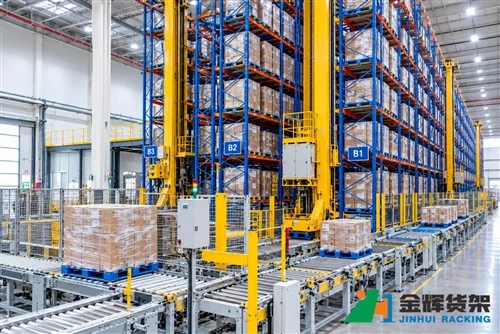
Push back racking uses carts and inclined rails, so its operating issues differ from those of other high-density systems. Drive-in racking requires forklifts to enter storage lanes, while radio shuttle systems use a powered shuttle to move pallets within the lane.
When a warehouse experiences recurring access problems, it is worth checking whether the cause is a maintenance issue, an operating procedure, or a mismatch between the storage method and the inventory profile. A different system should only be considered after reviewing the actual operating requirements.
Explore Jinhui's Pallet Racking Solutions to review storage configurations for different warehouse needs.
Frequently Asked Questions
Why does a push back rack pallet fail to move forward?
Possible causes include an obstruction, damaged or misaligned components, unsuitable pallets, or a problem with the cart system. Stop using the affected lane and arrange an appropriate inspection rather than forcing movement.
Can a forklift be used to free a jammed push back rack?
Operators should not use forklift impact or excessive force to release a jam. The lane should be secured and assessed according to the manufacturer's instructions and the site's safety procedure.
How often should push back racking be inspected?
Inspection frequency should be determined by the manufacturer's recommendations, warehouse operating conditions, and the site's risk assessment. Operators should also report abnormal movement or visible damage as soon as it is noticed.
Can damaged pallets cause push back rack problems?
Yes. Broken boards, damaged runners, unstable loads, or pallets that are incompatible with the system can interfere with proper positioning and movement. Pallets should be checked before storage.
Is a jammed push back rack always a sign of structural damage?
No. A jam may result from pallet placement, an obstruction, or an operating issue, but component damage cannot be ruled out without an appropriate assessment. The lane should remain out of service if its safety is uncertain.
Conclusion
Push back rack jams can interrupt warehouse operations, but early reporting, correct pallet handling, suitable loads, and regular inspection can help reduce avoidable problems.
When a lane stops moving normally, operators should avoid forcing the equipment and follow an approved safety and maintenance procedure. Repeated problems should be investigated to identify the underlying cause rather than addressed through temporary workarounds.
For a new warehouse project or a review of an existing storage layout, Jinhui can help assess the suitability of a push back racking configuration based on the warehouse's storage and handling requirements.
Website: www.jinhui-rack.com
Contact: Contact Jinhui
Email: info@jhrack.com
WhatsApp: +86 185 0252 7163