Understanding Heavy Duty Pallet Racking Load Capacity
One of the most common questions warehouse managers ask before investing in a storage system is: How much weight can heavy duty pallet racking hold? The answer is not as straightforward as assigning a single number to every rack. Load capacity depends on numerous engineering variables, including upright profiles, beam dimensions, steel thickness, pallet size, rack height, load distribution, and installation quality.
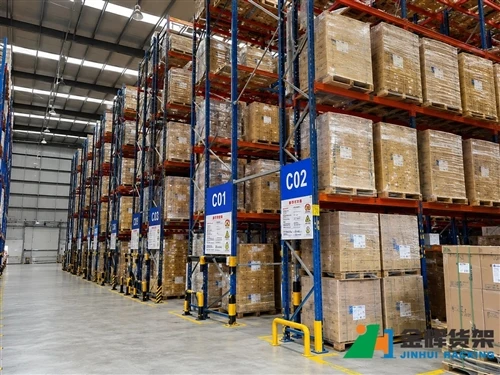
Heavy duty selective pallet racking is specifically engineered to support substantial pallet loads while maintaining structural stability over years of daily warehouse operation. When properly designed, installed, and maintained, these systems can safely store everything from consumer goods and industrial machinery to automotive components and construction materials.
Understanding how load capacity is calculated helps warehouse operators choose the right racking system, improve workplace safety, and maximize long-term warehouse efficiency.

Why Load Capacity Matters
Warehouse pallet racking is more than just steel frames and beams. It is a structural storage system designed to carry thousands of kilograms every day. Exceeding the engineered capacity can lead to beam deflection, upright damage, pallet instability, and in severe cases, rack collapse.
Selecting the correct load capacity provides several important benefits:
- Improves warehouse safety
- Protects employees and inventory
- Reduces structural fatigue
- Extends rack service life
- Minimizes maintenance costs
- Supports future inventory growth
For these reasons, reputable manufacturers always calculate load ratings according to engineering standards instead of relying on estimated values.
Explore our Heavy Duty Selective Pallet Racking System for warehouses requiring high load capacity and long-term reliability.
What Determines the Load Capacity of a Pallet Rack?
Many buyers assume that beam thickness alone determines how much weight a rack can support. In reality, the entire structural system works together to carry pallet loads safely.
The main engineering factors include:
- Upright frame profile
- Beam section size
- Steel grade
- Beam connector design
- Rack height
- Bay width
- Number of beam levels
- Pallet dimensions
- Load distribution
- Floor anchoring
Even small changes in one component can significantly affect the overall load rating of the storage system.
Upright Frames: The Backbone of the Rack
Upright frames carry the cumulative weight of every pallet stored above them. As rack height increases, the compression force acting on each upright also increases.
High-capacity uprights are manufactured from thicker structural steel and are reinforced with diagonal and horizontal bracing to resist both vertical and lateral loads.
Factors influencing upright capacity include:
- Steel thickness
- Column profile dimensions
- Frame depth
- Bracing configuration
- Anchor bolt installation
Choosing the appropriate upright profile is essential for warehouses storing particularly heavy products.
Beam Strength and Load Distribution
Beams transfer pallet loads directly to the upright frames. Every beam pair has its own rated load capacity based on span length, beam profile, connector strength, and allowable deflection.
Longer beams generally provide more pallet positions but reduce maximum load capacity. Conversely, shorter beams can safely support heavier loads due to reduced bending forces.
Proper pallet positioning is equally important. Loads should be evenly distributed across both beams rather than concentrated toward one side.
Steel Quality Makes a Significant Difference
Two pallet racks with identical dimensions may have completely different load capacities if manufactured using different grades of steel.
High-strength structural steel offers:
- Higher yield strength
- Better resistance to deformation
- Improved fatigue performance
- Longer service life
- Greater safety margins
This is why purchasing pallet racking solely based on price can be risky. Lower-cost products sometimes use thinner steel or lower-strength materials that reduce the allowable load rating.
Rack Height and Its Effect on Capacity
Many warehouse operators assume that simply making racks taller will increase storage capacity. While additional beam levels do create more pallet positions, increasing rack height also changes the structural forces acting on the entire system.
Taller uprights experience greater compression and are more sensitive to lateral movement caused by forklift impacts or seismic activity. As a result, engineering calculations become increasingly important for high-bay warehouses.
Proper bracing, base plates, and anchoring systems help maintain structural stability as rack height increases.
The Importance of Even Load Distribution
Heavy duty pallet racking is designed for uniformly distributed loads. Uneven pallet placement can create excessive stress on individual beams or connectors, reducing the overall safety factor.
Warehouse operators should always:
- Center pallets between uprights
- Avoid overhanging heavy loads
- Distribute weight evenly across both beams
- Replace damaged pallets immediately
- Never exceed posted load ratings
Proper loading practices significantly improve both rack safety and service life.
Typical Load Capacity Ranges
Although every project is engineered individually, heavy duty selective pallet racking generally accommodates a wide range of industrial storage requirements.
| Rack Component | Typical Capacity | Engineering Considerations |
|---|---|---|
| Single Pallet Position | 500–2,000 kg+ | Depends on pallet dimensions and beam spacing. |
| Beam Pair | 1,000–4,500 kg+ | Determined by beam profile and span. |
| Rack Bay | Several tons | Includes cumulative loads from all beam levels. |
| Complete Rack Row | Project-specific | Calculated according to warehouse design and engineering standards. |
How Manufacturers Calculate Rack Capacity
Professional rack manufacturers do not estimate capacity based on experience alone. Instead, engineers perform structural calculations considering vertical loads, beam deflection, upright compression, connection strength, safety factors, and applicable design standards.
These calculations ensure every component works together as a complete structural system rather than as individual parts.
Common Factors That Reduce Pallet Rack Capacity
Even the strongest heavy duty pallet racking system can lose its designed load capacity if it is installed incorrectly or operated under unsuitable conditions. Warehouse managers should understand the factors that most commonly reduce structural performance and increase safety risks.
Some of the most common issues include:
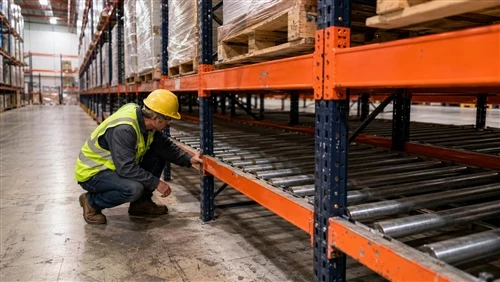
- Damaged upright frames caused by forklift impacts.
- Bent or overloaded beams.
- Missing beam safety locks.
- Loose or missing anchor bolts.
- Uneven floor settlement.
- Improper pallet placement.
- Exceeding the posted load limits.
- Unauthorized rack modifications.
Routine inspections and preventive maintenance can significantly extend the service life of heavy duty pallet racking while maintaining its original load-bearing performance.
How to Increase Storage Capacity Without Overloading the Rack
Many warehouses eventually reach their storage limits as inventory grows. Instead of placing heavier loads on existing racks, businesses should consider solutions that increase storage capacity without compromising safety.
Common optimization strategies include:
- Increasing rack height where building clearance allows.
- Adding additional beam levels.
- Optimizing pallet dimensions.
- Reducing unnecessary aisle widths.
- Reorganizing SKU allocation.
- Using higher-strength beam profiles designed by qualified engineers.
These improvements often provide substantially more storage space while keeping every rack within its engineered load rating.
Heavy Duty Pallet Racking Load Capacity Checklist
| Inspection Item | Why It Matters | Recommended Action |
|---|---|---|
| Pallet Weight | Determines beam loading. | Verify every pallet before storage. |
| Beam Condition | Bent beams reduce structural capacity. | Replace damaged beams immediately. |
| Upright Frames | Carry cumulative rack loads. | Inspect regularly for impact damage. |
| Anchor Bolts | Maintain rack stability. | Check for loosening during maintenance. |
| Load Labels | Prevent accidental overloading. | Ensure labels remain visible. |
| Forklift Operation | Impacts can weaken rack components. | Provide operator safety training. |
Frequently Asked Questions
How much weight can a heavy duty pallet rack hold?
There is no single answer because load capacity depends on beam size, upright design, rack height, pallet dimensions, and engineering calculations. Individual pallet positions commonly support between 500 kg and over 2,000 kg, while complete rack bays can safely carry several tons when properly designed.
Can I increase the load capacity by installing thicker beams?
Not necessarily. Beam strength is only one part of the structural system. Uprights, beam connectors, anchoring, and overall rack configuration must also be engineered to support higher loads safely.
Does rack height affect load capacity?
Yes. As rack height increases, additional compression and lateral forces act on the upright frames. Taller racks require more detailed engineering calculations to maintain structural stability.
What happens if a pallet rack is overloaded?
Overloading may cause excessive beam deflection, permanent deformation, damaged connectors, unstable pallets, or even structural failure. Warehouse operators should never exceed the posted load ratings.
How often should pallet racking be inspected?
Visual inspections should be performed regularly by warehouse personnel, while comprehensive inspections by qualified professionals are recommended periodically based on operational intensity and local safety regulations.
Conclusion
Heavy duty pallet racking load capacity is determined by far more than the thickness of the steel or the size of the beams. Every component-from upright frames and beam connectors to pallet dimensions, rack height, and installation quality-works together to create a safe and reliable warehouse storage system.
Understanding these engineering principles enables warehouse managers to make informed purchasing decisions, avoid overloading risks, and maximize the lifespan of their storage equipment. Rather than focusing solely on the highest possible load rating, businesses should invest in a professionally engineered solution that balances safety, operational efficiency, and future growth.
With proper design, installation, and maintenance, heavy duty selective pallet racking can provide decades of dependable service while supporting demanding industrial storage applications.
Design a Safe and High-Capacity Warehouse with Jinhui Rack
Jinhui Rack has over 20 years of experience manufacturing heavy duty warehouse racking systems for logistics centers, manufacturing plants, retail distribution hubs, and industrial warehouses worldwide. Our engineering team provides customized structural calculations, rack layouts, and load capacity solutions tailored to your storage requirements.
Learn more about our Heavy Duty Selective Pallet Racking System and discover how we can help you build a safer and more efficient warehouse.
WhatsApp
+8618502527163
Email
info@jhrack.com