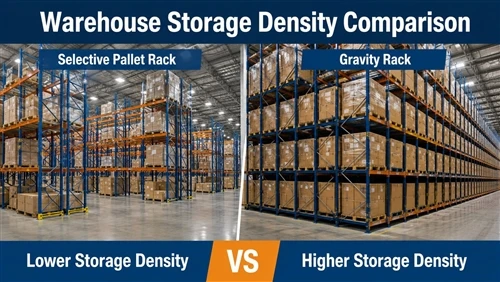
How to Maintain a Gravity Rack System for Long-Term Performance
A gravity rack system is designed to provide years of reliable warehouse operation with minimal maintenance. However, like any dynamic storage equipment, pallet flow racks require regular inspection and preventive maintenance to ensure smooth pallet movement, protect warehouse personnel, and maximize equipment life.
Unlike conventional pallet racking, gravity rack systems contain moving components such as rollers, brake rollers, pallet separators, and guide rails. These components experience continuous contact with loaded pallets and should be inspected periodically to maintain optimal performance.
A proactive maintenance program not only reduces unexpected downtime but also minimizes repair costs, extends equipment lifespan, and improves overall warehouse safety.
In this guide, we'll explain how to inspect, maintain, and safely operate a gravity rack system using practical maintenance procedures and industry best practices.
Why Gravity Rack Maintenance Is Important
Many warehouse operators assume that pallet flow racks require little attention after installation. While gravity rack systems are highly reliable, routine inspections help identify small issues before they develop into costly failures.
A well-maintained system provides several important benefits:
- Reliable FIFO pallet movement
- Reduced risk of pallet jams
- Improved operator safety
- Longer service life for rollers and structural components
- Lower maintenance costs
- Higher warehouse productivity
Industry guidance also recommends periodic inspections, operator training, and prompt repair of damaged rack components to maintain safe operation. :contentReference[oaicite:1]{index=1}
Learn more about our Gravity Rack System engineered for high-density warehouse storage.
Daily Visual Inspection
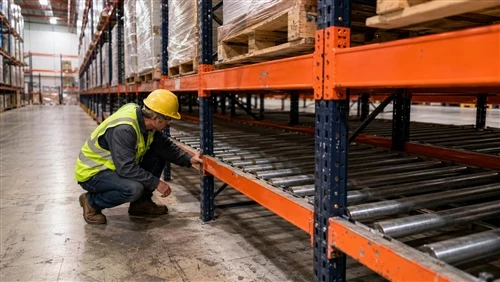
Daily inspections can be completed by warehouse operators before normal operations begin. These quick checks require only a few minutes but can prevent major problems later.
Operators should inspect:
- Visible rack damage
- Forklift impact marks
- Loose beams or connectors
- Obvious roller damage
- Blocked roller lanes
- Damaged pallets
- Unusual pallet movement
If any abnormalities are observed, the affected lane should be reported immediately and removed from service until it has been inspected.

Weekly Maintenance Checklist
Warehouse supervisors should perform a more detailed inspection every week to verify that all dynamic components continue to operate correctly.
| Inspection Item | Check | Recommended Action |
|---|---|---|
| Gravity Rollers | Rotate freely | Clean debris and replace damaged rollers. |
| Brake Rollers | Speed control | Verify braking performance. |
| Pallet Separators | Normal movement | Adjust or replace if necessary. |
| Rack Uprights | No deformation | Repair impact damage immediately. |
| Anchor Bolts | Secure installation | Retighten if required. |
| Lane Cleanliness | No debris | Remove dust and foreign objects. |
Monthly Structural Inspection
Monthly inspections should be carried out by experienced maintenance personnel or qualified rack inspectors.
The inspection should include:
- Rack plumbness
- Beam deflection
- Column damage
- Roller alignment
- Brake roller operation
- Pallet separator function
- Safety labels
- Protective guards
Inspection records should be documented to establish maintenance history and support preventive maintenance planning. Regular inspection logs are widely recommended as part of good rack ownership practices.
Roller Maintenance Best Practices
Rollers are the most frequently used moving components in a gravity rack system. Although they are designed for long service life, dirt accumulation, pallet damage, and normal wear can gradually affect their performance.
Routine roller maintenance helps ensure smooth pallet movement and minimizes unexpected downtime.
Recommended maintenance practices include:
- Remove dust, shrink wrap, wood chips, and debris from roller lanes.
- Inspect rollers for dents, cracks, or excessive wear.
- Replace damaged rollers immediately.
- Check roller alignment across the entire lane.
- Verify that brake rollers rotate correctly.
- Never lubricate rollers unless recommended by the manufacturer.
Keeping roller lanes clean is one of the simplest and most effective ways to maintain consistent pallet flow performance.
Common Problems and Troubleshooting
Even well-designed gravity rack systems may occasionally experience operational issues. Identifying the root cause quickly helps minimize disruption and prevents unnecessary component replacement.
| Problem | Possible Cause | Recommended Solution |
|---|---|---|
| Pallet stops before reaching the picking face | Dirty rollers, damaged pallet, insufficient slope | Clean rollers, inspect pallet, verify lane angle. |
| Pallet moves too quickly | Brake roller failure or excessive slope | Inspect brake rollers and engineering settings. |
| Rollers difficult to rotate | Debris accumulation or bearing damage | Clean or replace affected rollers. |
| Rack frame damage | Forklift collision | Remove from service and replace damaged components. |
| Pallet separator not functioning | Mechanical wear or obstruction | Inspect, clean, adjust, or replace separator. |
Warehouse Safety Best Practices
Routine maintenance should always be combined with proper operating procedures. Well-trained forklift operators and warehouse personnel play an important role in extending rack service life and preventing accidents.
Recommended safety practices include:
- Never exceed the rated pallet capacity.
- Use only compatible pallet types.
- Load pallets evenly across roller lanes.
- Avoid sudden forklift impacts against rack uprights.
- Replace damaged pallets before loading.
- Keep loading and unloading areas free of obstructions.
- Train operators on correct loading procedures.
- Schedule professional rack inspections annually.
Combining preventive maintenance with safe operating practices significantly reduces the likelihood of equipment failure while protecting employees and stored goods.
When Should Components Be Replaced?
Gravity rack components are designed for long-term use, but no mechanical system lasts forever. Components should be replaced whenever inspection identifies excessive wear, structural damage, or reduced operating performance.
Typical replacement indicators include:
- Damaged or seized rollers
- Brake rollers that no longer control pallet speed
- Bent pallet separators
- Deformed rack uprights or beams
- Loose or damaged anchor bolts
- Missing safety guards or labels
Replacing worn components promptly helps prevent more extensive repairs and keeps the entire pallet flow system operating safely.
Frequently Asked Questions
How often should a gravity rack system be inspected?
Operators should perform daily visual checks, supervisors should complete weekly inspections, maintenance personnel should carry out monthly structural inspections, and an annual inspection by qualified professionals is recommended.
Do gravity rack rollers require lubrication?
Most modern gravity rollers are maintenance-free and should not be lubricated unless specifically recommended by the manufacturer.
What causes pallets to stop moving?
The most common causes include damaged pallets, debris inside the roller lane, worn rollers, or an incorrect lane slope.
How long does a gravity rack system typically last?
With proper maintenance and normal warehouse operation, high-quality gravity rack systems can provide reliable service for many years. The lifespan depends on usage intensity, load conditions, and maintenance practices.
Can damaged rollers be replaced individually?
Yes. Individual rollers can usually be replaced without dismantling the entire gravity rack lane, reducing maintenance time and minimizing disruption to warehouse operations.
Conclusion
A preventive maintenance program is one of the best investments a warehouse can make. Regular inspections, timely component replacement, and proper operator training ensure that gravity rack systems continue to deliver reliable FIFO storage, high throughput, and maximum warehouse efficiency.
By following a structured inspection schedule and addressing minor issues before they become major problems, businesses can reduce maintenance costs, extend equipment life, and improve workplace safety.
To learn more about gravity rack systems, you may also find these resources helpful:
- What Is a Gravity Rack System? Complete Guide to FIFO Warehouse Storage
- Gravity Rack vs Drive-In Rack
- How Much Can a Gravity Rack System Increase Warehouse Storage Capacity?
- Gravity Rack Cost Guide
- Gravity Rack vs Selective Pallet Racking
- Top Industries That Benefit Most from Gravity Rack Systems
- Gravity Rack Design Guide
Keep Your Gravity Rack System Operating at Peak Performance
At Jinhui Rack, we don't just manufacture gravity rack systems-we provide complete lifecycle support, including system design, engineering, installation guidance, maintenance recommendations, and technical assistance. Whether you're planning a new pallet flow installation or maintaining an existing warehouse, our team is ready to help you maximize safety, efficiency, and long-term performance.
Gravity Rack System
gravity rack system
WhatsApp
+8618502527163
Email
info@jhrack.com