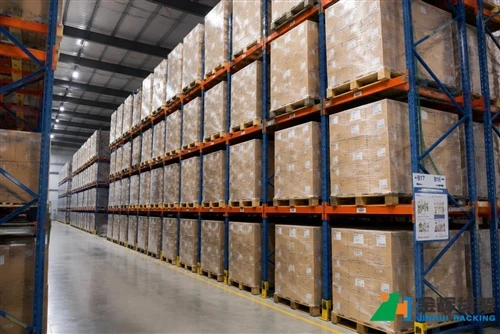
A well-designed warehouse storage system is not simply about placing more racks into an available space. A successful heavy duty pallet racking design needs to balance storage capacity, operational efficiency, safety requirements, and future expansion possibilities.
Every warehouse has different conditions. Product dimensions, pallet weight, forklift type, building structure, and workflow requirements all influence the final rack configuration. This is why custom pallet racking solutions are often preferred for industrial warehouses that need maximum space utilization and reliable long-term performance.
A professional design process helps businesses avoid common problems such as insufficient load capacity, inefficient aisle planning, limited accessibility, and costly modifications after installation.

Why Custom Heavy Duty Pallet Racking Design Matters
Heavy duty pallet racking is a long-term investment for warehouses, distribution centers, and manufacturing facilities. The design directly affects how efficiently products can be stored, retrieved, and managed during daily operations.
A customized rack design allows businesses to make better use of available warehouse space instead of relying on standard configurations that may not match actual requirements.
A professional pallet rack design considers:
- Warehouse dimensions and building structure.
- Pallet size and product characteristics.
- Required storage capacity.
- Forklift operating conditions.
- Safety requirements.
- Future inventory growth.
By considering these factors during the planning stage, companies can create a storage system that supports current operations while remaining flexible for future changes.
Step 1: Analyze Warehouse Space Before Rack Design
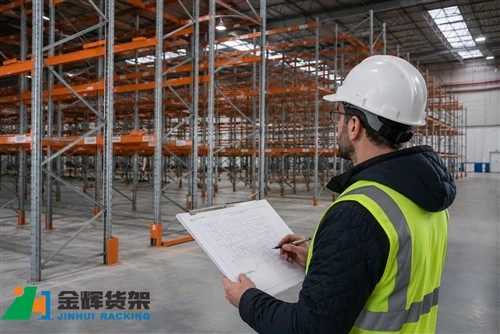
The first step in designing a custom heavy duty pallet racking system is understanding the available warehouse space. The rack layout should be based on the actual building conditions rather than a standard template.
Important warehouse information includes:
- Total floor area.
- Ceiling height.
- Location of doors and loading areas.
- Building columns and obstacles.
- Emergency exits and safety zones.
- Floor condition and loading capability.
Warehouse height is especially important because vertical space can significantly increase storage capacity. A taller rack configuration may allow additional pallet levels, helping businesses store more inventory without expanding the building footprint.
Optimizing Floor Space Utilization
The goal of warehouse rack design is not simply to install the maximum number of racks. The layout must also maintain efficient product movement and safe operation.
A good design should provide:
- Enough forklift operating space.
- Convenient access to stored products.
- Clear pedestrian pathways.
- Efficient loading and unloading routes.
Poor space planning may create congestion, reduce productivity, and increase the risk of warehouse accidents.
Step 2: Understand Pallet Requirements
Pallet information is one of the most important inputs for designing a heavy duty pallet racking system. The rack structure must match the actual products stored inside the warehouse.
Before designing the system, suppliers usually need information such as:
- Pallet length and width.
- Pallet height including goods.
- Total loaded pallet weight.
- Number of pallets stored per level.
- Product turnover frequency.
Different pallet sizes require different beam lengths and rack depths. Using incorrect assumptions during the design stage can lead to wasted space or unsuitable storage conditions.
Matching Rack Design With Storage Requirements
For example, warehouses storing lightweight packaged goods may require a different configuration compared with facilities storing heavy industrial components.
The rack system should be designed around actual operating conditions rather than simply selecting the strongest available components.
Choosing the correct specification helps achieve a balance between safety, performance, and project cost.
Step 3: Calculate Load Capacity Requirements
Load capacity is one of the most critical factors in heavy duty pallet racking design. Each rack component, including beams and upright frames, must be selected according to the expected loading conditions.
The design should consider:
- Weight of individual pallets.
- Number of pallets stored on each level.
- Total bay capacity.
- Storage height.
- Safety margins.
Incorrect load assumptions can create safety risks and may reduce the service life of the rack system.
For more information about this topic, read our guide on heavy duty pallet rack load capacity and understand how rack specifications affect storage performance.
Step 4: Select the Right Rack Configuration
After understanding warehouse conditions and load requirements, the next step is selecting the most suitable rack configuration.
Selective pallet racking is one of the most commonly used options because it provides direct access to every pallet position and works well with different warehouse operations.
However, the final design may include different configurations depending on storage objectives.
Factors affecting rack configuration include:
- Required storage density.
- Inventory access frequency.
- Available warehouse area.
- Material handling equipment.
Step 5: Plan Forklift Aisles and Operating Areas
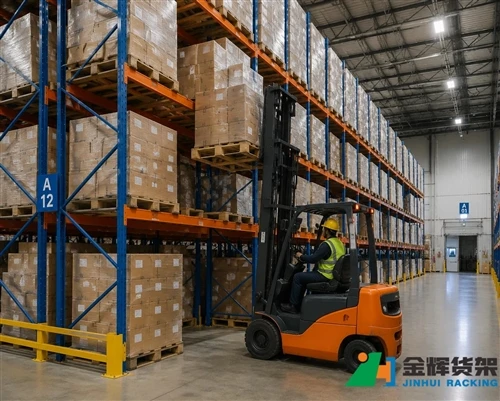
Forklift operation is one of the most important considerations when designing a heavy duty pallet racking system. The rack layout must provide enough space for loading, unloading, and daily warehouse movement.
The required aisle width depends on several factors, including:
- Forklift model and turning radius.
- Pallet dimensions.
- Rack height.
- Operator working requirements.
- Warehouse traffic flow.
A well-planned aisle layout helps forklifts move safely and efficiently while reducing unnecessary travel distance during storage and retrieval operations.
Balancing Storage Density and Accessibility
One common challenge in warehouse design is finding the right balance between storage density and product accessibility.
Narrower aisles may increase storage capacity, but they also require suitable handling equipment and careful operation planning. Wider aisles may improve accessibility but reduce the number of rack rows that can be installed.
A professional pallet racking design should consider both current warehouse operations and future business requirements rather than focusing only on maximum storage quantity.
Step 6: Add Safety Accessories Based on Warehouse Requirements
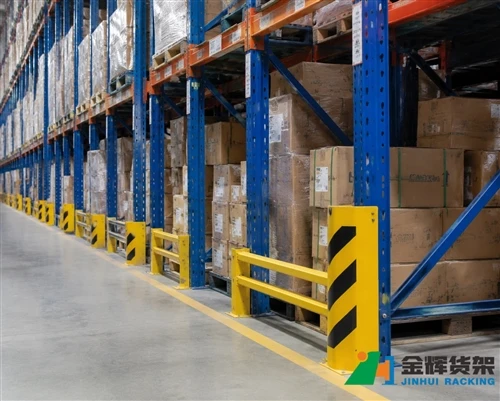
Safety accessories are an important part of a complete heavy duty pallet racking system. The right accessories can improve warehouse protection and reduce the risk of damage caused by daily operations.
Common pallet rack accessories include:
- Upright protectors.
- Rack end guards.
- Wire mesh decking.
- Pallet support bars.
- Safety barriers.
- Back stops.
The selection of accessories depends on warehouse conditions, forklift activity, pallet type, and product characteristics.
For example, warehouses with frequent forklift movement may require additional protection around rack frames, while facilities storing different pallet types may benefit from decking solutions.
A complete rack design should consider these requirements from the beginning rather than adding accessories after installation.
Learn more about essential rack components in our guide: heavy duty pallet rack accessories .
Step 7: Consider Future Warehouse Expansion
A warehouse storage system should not only meet today's requirements but also support future business growth.
Inventory volume, product categories, and operational requirements often change over time. A flexible pallet racking design allows businesses to expand storage capacity without completely replacing the existing system.
Future planning may include:
- Additional rack bays.
- Adjustable beam levels.
- New product categories.
- Changes in material handling equipment.
- Warehouse expansion.
Modular heavy duty pallet racking systems are especially valuable because they can be adjusted and expanded according to changing storage requirements.
Custom Pallet Racking Design vs Standard Rack Solutions
Many businesses consider whether they should choose a standard rack configuration or invest in a customized design.
Standard Pallet Racking
Standard configurations can be suitable for warehouses with simple layouts, common pallet sizes, and straightforward storage requirements.
Advantages include:
- Shorter design time.
- Simpler purchasing process.
- Lower initial planning requirements.
Custom Heavy Duty Pallet Racking
Customized solutions are designed according to the specific warehouse environment and operational needs.
They are particularly useful when warehouses have:
- Limited floor space.
- Unusual building structures.
- Special pallet dimensions.
- High storage density requirements.
- Complex workflow requirements.
Although custom systems may require more detailed planning, they often provide better space utilization and long-term value.
Common Mistakes in Warehouse Rack Design
A poorly planned storage system can create operational problems and increase future costs. Avoiding common design mistakes helps ensure better warehouse performance.
Ignoring Actual Product Requirements
Some warehouses select rack specifications based only on available space without considering pallet weight, product dimensions, or handling methods.
The storage system should always be designed around the products being stored.
Using Maximum Capacity as the Only Goal
Increasing storage positions is important, but warehouse efficiency depends on more than storage quantity.
A design with insufficient aisle space or poor product accessibility may reduce overall productivity.
Not Considering Future Changes
Warehouse requirements often change as businesses grow. A design that only meets current needs may create limitations later.
Considering future expansion during the initial planning stage can reduce modification costs in the future.
How Professional Rack Manufacturers Support Warehouse Design
An experienced pallet rack manufacturer provides more than rack components. Professional suppliers help customers evaluate warehouse conditions and develop suitable storage solutions.
Engineering support may include:
- Warehouse layout planning.
- Rack configuration recommendations.
- Storage capacity calculations.
- Technical drawings.
- Product selection advice.
Choosing an experienced supplier is especially important for customized projects because the design quality directly affects the final warehouse performance.
Before selecting a manufacturer, review our guide: how to choose a reliable heavy duty pallet rack manufacturer .

Frequently Asked Questions
Why do warehouses need custom pallet racking design?
Custom design ensures that the rack system matches warehouse dimensions, pallet requirements, forklift operations, and future storage needs.
What information is needed to design a heavy duty pallet rack system?
Important information includes warehouse dimensions, pallet size, pallet weight, required storage capacity, forklift type, and operational requirements.
Can existing pallet racks be expanded later?
Many heavy duty pallet racking systems are modular and can be expanded by adding additional bays or adjusting configurations when warehouse requirements change.
How does rack design affect warehouse efficiency?
A good design improves storage density, product accessibility, forklift movement, and overall warehouse workflow.
Should I choose standard or customized pallet racking?
The choice depends on warehouse conditions. Standard systems may work for simple applications, while customized solutions are better for warehouses with specific space, load, or operational requirements.
Conclusion
A successful heavy duty pallet racking project starts with proper planning and design. Warehouse space, pallet requirements, load capacity, forklift operations, safety considerations, and future expansion should all be evaluated before selecting the final configuration.
Custom pallet racking solutions allow businesses to create storage systems that are safer, more efficient, and better suited to their operational goals.
Working with an experienced rack manufacturer can help ensure that every component, from rack structure to accessories, is designed according to actual warehouse requirements.
Design Your Custom Warehouse Storage Solution with Jinhui Rack
Jinhui Rack provides customized heavy duty pallet racking solutions for warehouses, logistics centers, and industrial facilities. Our team supports customers from initial warehouse planning to rack design, manufacturing, and delivery.
Whether you need a new storage system or want to optimize an existing warehouse layout, we can help develop a solution based on your space, products, and operational requirements.
Explore our Heavy Duty Selective Pallet Racking System for more information about our industrial storage solutions.
WhatsApp
+8618502527163
Email
info@jhrack.com