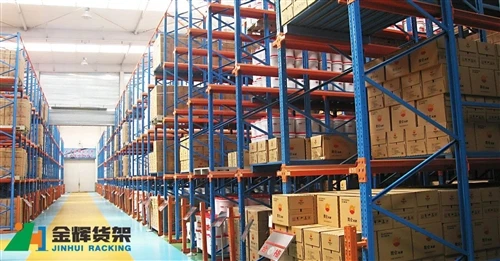
Why Professional Pallet Rack Installation Matters
A heavy duty selective pallet racking system supports thousands of kilograms of inventory every day. Incorrect installation can affect rack stability, load capacity, and long-term operational safety.
Professional installation ensures that:
- Rack components are assembled correctly.
- Frames remain properly aligned.
- Beams are securely connected.
- Load capacities are maintained.
- Safety accessories function correctly.
A properly installed rack system improves warehouse efficiency while reducing maintenance issues and safety risks.

Step 1: Warehouse Planning and Site Preparation
Before installation begins, the warehouse layout must be carefully evaluated. Engineers normally review available space, floor conditions, storage requirements, and equipment movement paths.
Important preparation steps include:
- Confirming warehouse dimensions.
- Checking floor level and concrete strength.
- Marking rack positions.
- Planning forklift aisles.
- Reviewing pallet sizes and weights.
Proper planning prevents installation problems and ensures the rack layout supports efficient daily operations.
Step 2: Unloading and Checking Rack Components
Before assembly, all rack components should be inspected to confirm they match the approved design.
Typical components include:
- Upright frames.
- Horizontal beams.
- Diagonal bracing.
- Base plates.
- Safety locks.
- Wire decking or pallet supports.
Checking components before installation helps identify missing or damaged parts early in the process.
Step 3: Installing Upright Frames
The upright frame is the main vertical support structure of the pallet rack system. During installation, frames must be positioned accurately according to the warehouse layout drawing.
Installation usually includes:
- Positioning upright frames.
- Connecting frame bracing.
- Installing base plates.
- Anchoring frames to the floor.
- Checking vertical alignment.
Correct upright installation is essential because all beam levels depend on the stability of the frame structure.
Step 4: Installing Horizontal Beams
After upright frames are secured, horizontal beams are installed between frames to create pallet storage levels.
Installation considerations include:
- Correct beam height.
- Secure beam locking connections.
- Proper beam spacing.
- Required pallet clearance.
Beam positioning directly affects pallet accessibility and storage efficiency.
Step 5: Installing Pallet Rack Safety Accessories
After the main rack structure is assembled, safety accessories should be installed according to the warehouse operating requirements. These components help protect the racking system from daily operational risks and improve workplace safety.
Common heavy duty pallet rack accessories include:
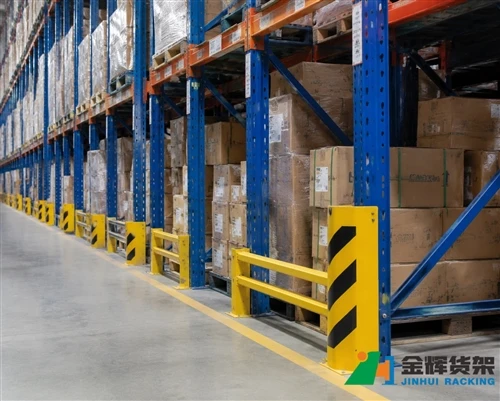
- Column protectors to reduce forklift impact damage.
- Wire mesh decking for additional pallet support.
- Back stops to prevent pallets from being pushed too far.
- Row spacers for double-deep rack configurations.
- Safety barriers around rack ends and corners.
The selection of accessories depends on forklift type, pallet design, traffic conditions, and warehouse safety requirements.

Step 6: Checking Rack Alignment and Structural Stability
Once installation is complete, the entire pallet racking structure must be checked carefully before loading products.
Professional installation teams normally inspect:
- Vertical alignment of upright frames.
- Horizontal positioning of beams.
- Connection between beams and uprights.
- Anchor bolt installation.
- Rack row spacing and aisle dimensions.
Even small installation errors can affect the stability and load distribution of a warehouse rack system. Proper alignment ensures that pallet loads are transferred evenly through the structure.
Step 7: Installing Load Capacity Labels
Load capacity information is an important part of warehouse rack safety management. After installation, clear capacity labels should be placed where operators can easily see them.
Rack capacity signs normally include:
- Maximum load per pallet position.
- Maximum beam level capacity.
- Total bay load rating.
- Safety operating instructions.
These labels help forklift operators and warehouse employees understand the safe working limits of the storage system and avoid accidental overloading.

Step 8: Final Safety Inspection Before Warehouse Operation
Before the warehouse begins normal operation, a final inspection should be completed to confirm that the pallet racking system is ready for use.
The final inspection typically covers:
- Rack installation according to approved drawings.
- All bolts and anchors properly secured.
- Safety pins correctly installed.
- No damaged components present.
- Forklift aisles meeting required clearance.
- Pallets fitting correctly within rack bays.
Only after the system passes the inspection should warehouse operators begin loading inventory.
Common Mistakes During Pallet Rack Installation
Although heavy duty selective pallet racking has a modular design, installation mistakes can reduce system performance and create safety concerns.
1. Installing Racks Without Accurate Layout Planning
Some warehouses begin installation before confirming aisle dimensions, forklift turning space, and storage requirements. This can result in inefficient layouts or costly adjustments later.
2. Ignoring Floor Conditions
The warehouse floor provides the foundation for the entire rack structure. Uneven floors or insufficient concrete strength may affect rack stability and alignment.
3. Changing Rack Configuration Without Approval
Adding extra beam levels or changing beam positions may alter the original load capacity. Any modification should be reviewed by qualified professionals.
4. Skipping Final Inspection
A rack system may appear complete after assembly, but professional inspection is necessary to confirm that all components are correctly installed.
How Long Does Heavy Duty Pallet Rack Installation Take?
The installation time depends on several factors, including warehouse size, rack quantity, system complexity, and site conditions.
Small warehouse projects may be completed within several days, while large distribution centers with thousands of pallet positions may require several weeks.
Factors affecting installation time include:
- Total number of rack bays.
- Rack height and configuration.
- Availability of installation equipment.
- Warehouse operating schedule.
- Required safety accessories.
Professional Installation vs Self Installation
Some small businesses consider installing pallet racks themselves to reduce costs. While basic rack assembly may appear simple, industrial pallet racking requires accurate installation to maintain designed capacity.
Professional installation provides advantages such as:
- Correct structural assembly.
- Reduced installation errors.
- Faster project completion.
- Compliance with safety requirements.
- Professional adjustment after installation.
For heavy duty warehouse applications, professional installation is usually the safer and more reliable option.
Frequently Asked Questions
Can heavy duty pallet racks be installed in any warehouse?
Most warehouses can install heavy duty pallet racking, but the layout must consider floor conditions, ceiling height, pallet dimensions, and forklift requirements.
Do pallet racks need to be anchored to the floor?
Yes. Industrial pallet racks are normally fixed to the warehouse floor using anchor bolts to improve stability and prevent movement during operation.
How much does pallet rack installation cost?
Installation costs depend on project size, rack design, warehouse location, and labor requirements. Large-scale projects usually require professional quotations based on site conditions.
Can I install additional beams after the rack is installed?
Additional beams may be possible, but the rack configuration should be reviewed first to ensure the upright frames can safely support the modified load.
How can I ensure my pallet rack installation is safe?
Choose a qualified supplier, follow approved installation drawings, complete safety inspections, and train warehouse operators on proper rack usage.
Conclusion
A successful heavy duty selective pallet racking installation requires careful planning, accurate assembly, and professional safety checks. From preparing the warehouse floor to installing beams, accessories, and capacity labels, every step affects the final performance of the storage system.
A properly installed pallet rack system improves warehouse organization, supports safer forklift operations, and provides reliable storage capacity for years of daily use.
Working with an experienced pallet rack manufacturer ensures that the system is designed, installed, and optimized according to your warehouse requirements.
Customized Heavy Duty Pallet Racking Solutions from Jinhui Rack
Jinhui Rack provides complete warehouse storage solutions, including rack design, manufacturing, installation guidance, and customized accessories. Our engineering team helps businesses create efficient storage systems based on pallet loads, warehouse layouts, and operational needs.
Explore our Heavy Duty Selective Pallet Racking System for reliable industrial warehouse storage.
WhatsApp
+8618502527163
Email
info@jhrack.com