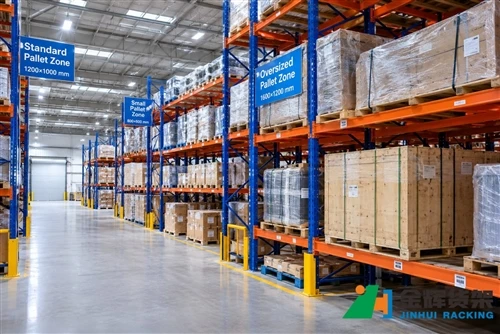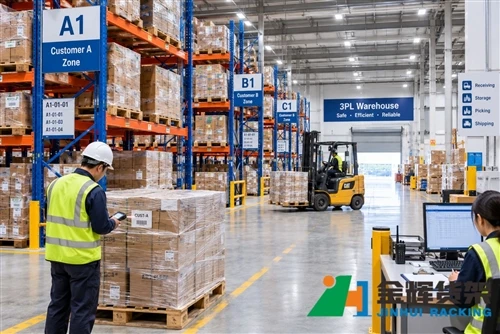
Choosing the right warehouse storage system is an important decision for businesses looking to improve storage efficiency, safety, and long-term operational performance. Among the most common options, heavy duty pallet racks and medium duty racking systems are often compared because both provide organized storage solutions for industrial and commercial environments.
However, these two systems are designed for different applications. Heavy duty pallet racks are engineered for palletized goods, forklift operations, and high-capacity storage, while medium duty racking is generally better suited for manually handled products and lighter inventory.
Understanding the differences between heavy duty pallet rack and medium duty racking helps warehouse managers choose a system that matches their product weight, handling equipment, storage requirements, and future growth plans.

What Is Heavy Duty Pallet Rack?
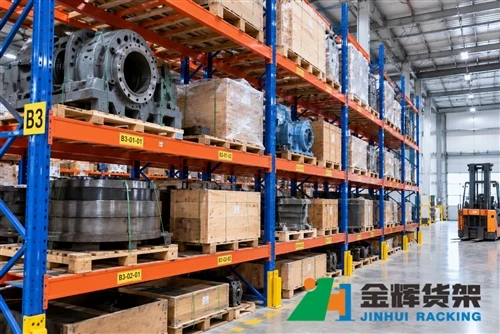
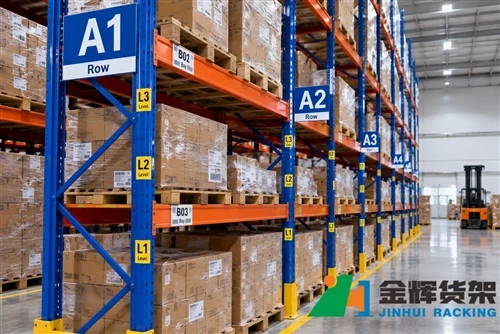
Heavy duty pallet rack is an industrial storage system designed to support large quantities of palletized goods. It is commonly used in warehouses where forklifts or other material handling equipment are required for loading and retrieving products.
The structure typically includes upright frames, horizontal beams, safety locks, and pallet supports. The modular design allows businesses to create customized storage layouts based on warehouse dimensions, pallet sizes, and load requirements.
Heavy duty pallet racks are commonly used in:
- Manufacturing facilities.
- Distribution centers.
- Logistics warehouses.
- Automotive parts storage.
- Industrial supply warehouses.
What Is Medium Duty Racking?
Medium duty racking is a lighter storage solution designed for products that are usually handled manually rather than by forklifts. It provides an efficient way to organize cartons, small components, tools, and packaged goods.
Compared with heavy duty pallet racks, medium duty systems usually have lower load capacity and are more suitable for smaller storage areas, picking operations, and inventory with frequent manual access.
Typical applications include:
- Retail storage rooms.
- Small parts warehouses.
- Archives and document storage.
- E-commerce picking areas.
- Maintenance workshops.
Heavy Duty Pallet Rack vs Medium Duty Racking: Key Differences
Although both systems improve warehouse organization, their structural design and intended applications are significantly different.
Load Capacity Comparison
The biggest difference between heavy duty pallet racks and medium duty racking is load-bearing capability.
Heavy duty pallet racks are designed for heavier loads, often supporting palletized products weighing hundreds or thousands of kilograms depending on the configuration.
Medium duty racking is designed for lighter inventory where products are manually placed and removed by warehouse employees.
| Comparison | Heavy Duty Pallet Rack | Medium Duty Racking |
|---|---|---|
| Main Purpose | Pallet storage with forklifts | Manual product storage |
| Load Capacity | High load capacity for industrial applications | Medium loads for smaller inventory |
| Loading Method | Forklift or handling equipment | Manual loading and picking |
| Typical Location | Industrial warehouses and logistics centers | Storage rooms and smaller warehouses |
Warehouse Equipment Compatibility
Material handling equipment is another important factor when selecting between the two systems.
Heavy duty pallet racks are designed around forklift operations. Rack aisle width, beam height, and pallet positioning are planned according to forklift requirements.
Medium duty racking generally does not require forklifts because products are accessed manually. This makes it suitable for warehouses with smaller inventory items and lower storage heights.
Storage Density and Space Utilization
Heavy duty pallet racks are usually the better choice when warehouses need to maximize vertical storage space. Multiple pallet levels allow businesses to store large quantities of inventory within limited floor areas.
Medium duty systems provide flexibility for smaller products but are not designed for high-density pallet storage.
Cost Considerations
Cost is an important factor when selecting a warehouse storage system, but the lowest initial investment is not always the most economical choice. The right solution should match current storage requirements while also supporting future business growth.
Heavy duty pallet racks usually require a higher initial investment because they use stronger steel components, larger structural frames, and are designed to handle heavier loads and forklift operations.
However, for warehouses storing palletized goods, heavy duty pallet racks often provide better long-term value because they offer higher storage capacity, better space utilization, and greater flexibility for inventory expansion.
Medium duty racking generally has a lower purchase cost and is suitable when storage requirements are limited to lighter products and manual picking operations.
When Should You Choose Heavy Duty Pallet Rack?
Heavy duty pallet rack is the preferred choice for businesses that need reliable storage for large quantities of palletized products.
You should consider heavy duty pallet racking when your warehouse requires:
- Forklift access for loading and unloading.
- High-capacity storage levels.
- Long-term industrial storage solutions.
- Large inventory turnover.
- Vertical space utilization.
- Custom rack configurations.
Industries commonly using heavy duty pallet racks include manufacturing, logistics, automotive, food distribution, and wholesale operations.

When Is Medium Duty Racking a Better Choice?
Medium duty racking is a practical solution when products are smaller, lighter, and frequently accessed by warehouse employees.
It is often suitable for:
- Small component storage.
- Manual picking operations.
- Workshop inventory management.
- Retail backroom storage.
- Archive and document organization.
Choosing medium duty racking for lightweight products can help businesses create an organized storage area without investing in a heavy industrial system.
Factors to Consider Before Choosing a Warehouse Rack System
Before purchasing warehouse storage equipment, businesses should evaluate several important factors rather than selecting a rack system based only on price.
1. Product Weight and Size
The weight and dimensions of stored goods determine the type of rack required. Heavy palletized products require stronger structures, while smaller products may only need lighter shelving solutions.
2. Storage Method
Consider whether products will be stored on pallets or picked individually.
- Pallet storage usually requires heavy duty pallet racks.
- Manual picking operations may benefit from medium duty shelving.
3. Material Handling Equipment
Forklift usage is one of the clearest indicators that a heavy duty pallet rack system is required. The rack layout must accommodate equipment movement, pallet placement, and safe operating distances.
4. Future Expansion Plans
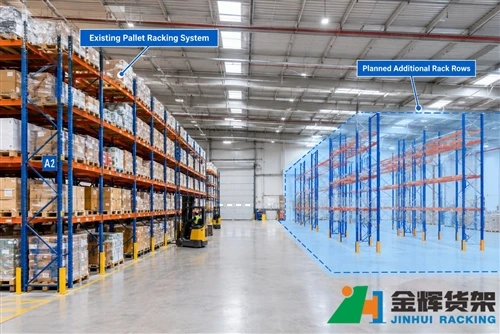
Warehouse requirements often change as businesses grow. Selecting a scalable storage system allows companies to add rack bays, adjust layouts, and increase capacity when needed.
Common Mistakes When Selecting Warehouse Racking
Choosing the wrong storage system can lead to inefficient warehouse operations and additional costs in the future.
Choosing Based Only on Initial Price
A lower-cost rack system may not provide enough capacity for future requirements. Businesses should consider total storage value rather than only the purchase price.
Ignoring Future Inventory Growth
Many warehouses expand their product range or increase inventory volume over time. Selecting a system with limited capacity may require expensive replacement later.
Using the Wrong Rack Type for the Application
Medium duty shelving should not replace heavy duty pallet racks when products require forklift handling and high load capacity.
Not Considering Warehouse Workflow
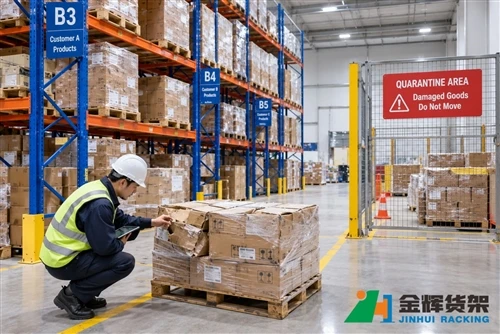
Storage equipment should support daily operations. Rack selection should consider picking frequency, forklift routes, aisle space, and employee access requirements.
Heavy Duty Pallet Rack and Medium Duty Racking Can Work Together
In some warehouses, the best solution is not choosing only one system. Many businesses combine different storage solutions based on product categories.
For example:
- Heavy duty pallet racks can store bulk inventory on pallets.
- Medium duty racks can organize smaller components and frequently picked items.
A combined storage strategy allows warehouses to improve space utilization while keeping different products in the most suitable locations.
Frequently Asked Questions
Is heavy duty pallet rack better than medium duty racking?
Neither system is universally better. The right choice depends on product weight, storage method, warehouse operations, and handling equipment requirements.
Can medium duty racking store pallets?
Medium duty racking is generally designed for manually handled products rather than heavy pallet storage. Businesses storing palletized goods should consider industrial pallet rack systems.
Which rack system is more suitable for warehouses?
Heavy duty pallet racks are usually more suitable for industrial warehouses, logistics centers, and manufacturing facilities, while medium duty racking works well for smaller storage applications.
Can heavy duty pallet racks be customized?
Yes. Heavy duty pallet rack systems can be customized according to pallet dimensions, load requirements, warehouse height, forklift type, and storage layout.
How do I choose the right warehouse storage system?
Start by evaluating product weight, storage volume, handling equipment, available space, and future expansion plans. A professional rack supplier can help design the most suitable solution.
Conclusion
Choosing between heavy duty pallet rack and medium duty racking depends on your warehouse operation requirements. Heavy duty pallet racks are designed for high-capacity pallet storage and industrial applications, while medium duty systems are better suited for lighter products and manual handling.
By evaluating load requirements, workflow, equipment compatibility, and future growth, businesses can select a storage system that improves efficiency and supports long-term operations.
For warehouses handling large volumes of palletized goods, a professionally designed heavy duty pallet racking system provides the strength, flexibility, and scalability required for modern storage environments.
Customized Warehouse Storage Solutions from Jinhui Rack
Jinhui Rack provides customized warehouse storage solutions for different industries, including heavy duty pallet racking, selective pallet rack systems, and related accessories. Our team helps customers design storage layouts based on product requirements, warehouse space, and operational needs.
Learn more about our Heavy Duty Selective Pallet Racking System and find a suitable storage solution for your warehouse.
WhatsApp
+8618502527163
Email
info@jhrack.com