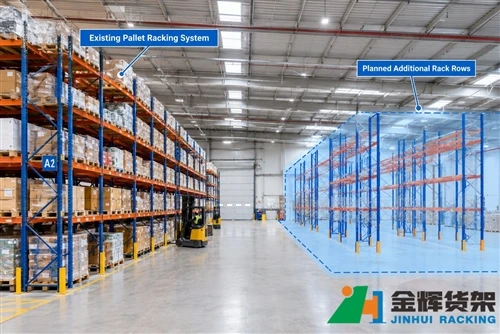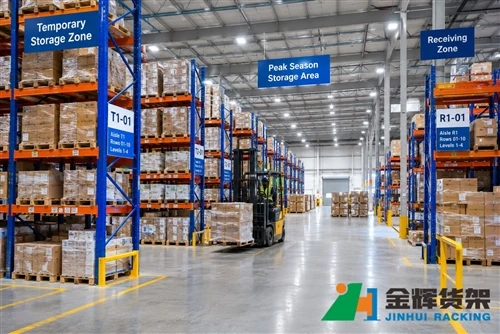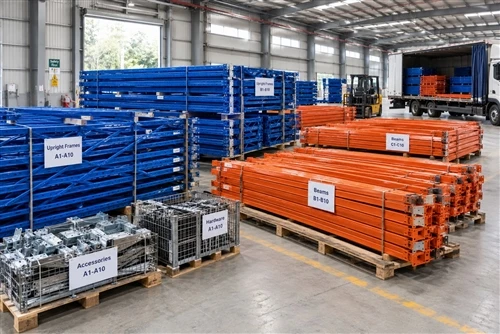
As a warehouse grows, its existing pallet racking system may no longer provide enough storage positions for increasing inventory. Businesses may face overcrowded rack bays, pallets placed in temporary locations, reduced aisle space, and slower picking operations. Expanding the existing warehouse racking system can help address these problems without immediately moving to a larger facility.
However, adding more racks is not simply a matter of filling every available floor area. Warehouse managers need to evaluate the current layout, building conditions, rack specifications, inventory profile, forklift movements, and future storage demand before making changes. A well-planned expansion should increase usable capacity while maintaining safe storage and efficient warehouse operations.
This guide explains how to assess an existing pallet racking system, compare expansion options, check compatibility, and prepare for a practical warehouse storage expansion.
1. Identify Why Your Existing Warehouse Needs More Storage
Before purchasing additional pallet racks, determine whether the warehouse has a genuine shortage of storage positions or whether the current space is being used inefficiently.
Common signs that a warehouse may need expansion include:
- Existing pallet locations are consistently occupied, leaving insufficient space for incoming inventory.
- Employees frequently place pallets in temporary or unplanned locations.
- Receiving areas and shipping zones become congested because stored inventory occupies operational space.
- Seasonal inventory increases create repeated storage shortages.
- New products, additional SKUs, or larger pallet loads require different storage arrangements.
- Picking and replenishment operations take longer because inventory locations are poorly organized.
Review current occupancy, peak inventory levels, incoming stock forecasts, and the number of available pallet positions. It is also useful to identify whether the shortage affects the entire warehouse or only certain product categories.
If the warehouse has many unused or poorly allocated locations, better inventory organization may solve part of the problem. If demand consistently exceeds practical storage capacity, a physical racking expansion may be necessary.
2. Calculate Current Capacity and Future Storage Demand
A warehouse expansion should begin with a clear understanding of current capacity and the amount of additional storage required. Estimating future demand helps avoid adding too few racks or investing in more capacity than the operation needs.
Start by collecting the following information:
- Current number of usable pallet positions.
- Average and peak inventory levels.
- Expected inventory growth over the planning period.
- Number of SKUs and their storage requirements.
- Pallet dimensions, loaded heights, and maximum pallet weights.
- Required accessibility for picking and replenishment.
- Space needed for receiving, shipping, staging, and forklift circulation.
Compare current storage demand with projected demand to estimate the additional pallet positions required. Do not base the expansion only on average inventory, because seasonal peaks and incoming shipments may create temporary pressure on the system.
For a more detailed planning method, read our guide on how to calculate warehouse storage capacity. It explains how warehouse dimensions, rack configuration, usable space, and operating requirements influence storage capacity.
3. Inspect the Existing Racking System Before Expansion
Before extending a rack row or installing additional bays, review the condition and specifications of the existing system. An expansion should not rely on assumptions about the capacity or compatibility of racks already in service.
Review Rack Specifications
Gather available drawings, component specifications, load notices, installation records, and previous inspection reports. Identify the existing rack type, upright frames, beam configurations, storage levels, and any special design features.
If documentation is missing, do not assume that visually similar components have identical specifications. A qualified rack supplier or engineer should assess the existing configuration and determine what information is needed before expansion.
Check for Damage and Unauthorized Changes
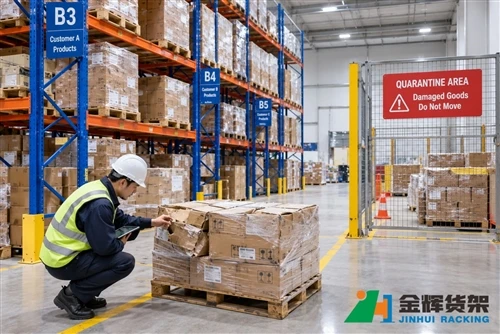
Inspect the existing system for bent uprights, damaged beams, loose or missing components, corrosion, displaced connections, and signs of forklift impact. Pay particular attention to areas where new racks would connect to or sit beside the existing installation.
Damaged components should be assessed and addressed before the affected rack section is relied upon for additional storage. Existing damage, previous modifications, and uncertain installation conditions can affect the suitability of an expansion.
For a more detailed inspection process, see our article on how to inspect pallet racking systems regularly.
4. Evaluate Available Space and Warehouse Conditions
Once the storage requirement is understood, review the warehouse layout to determine where additional racking can be installed. Available floor space is important, but the entire operating environment must be considered.
Assess the following areas before choosing an expansion layout:
- Unused floor areas: Identify locations that can accommodate racks without interfering with normal warehouse activities.
- Building columns and walls: Check how structural obstacles affect rack-row length, bay placement, and equipment movement.
- Warehouse clear height: Determine whether additional storage levels are feasible within the building's physical and safety constraints.
- Receiving and shipping zones: Preserve sufficient space for inbound inspection, staging, order preparation, and loading.
- Forklift and pedestrian routes: Maintain suitable circulation and designated safety routes.
- Floor and anchoring conditions: Confirm that the floor, slab conditions, and anchoring arrangements are suitable for the proposed installation.
- Fire protection and building requirements: Check required clearances, sprinkler arrangements, exits, and applicable local requirements.
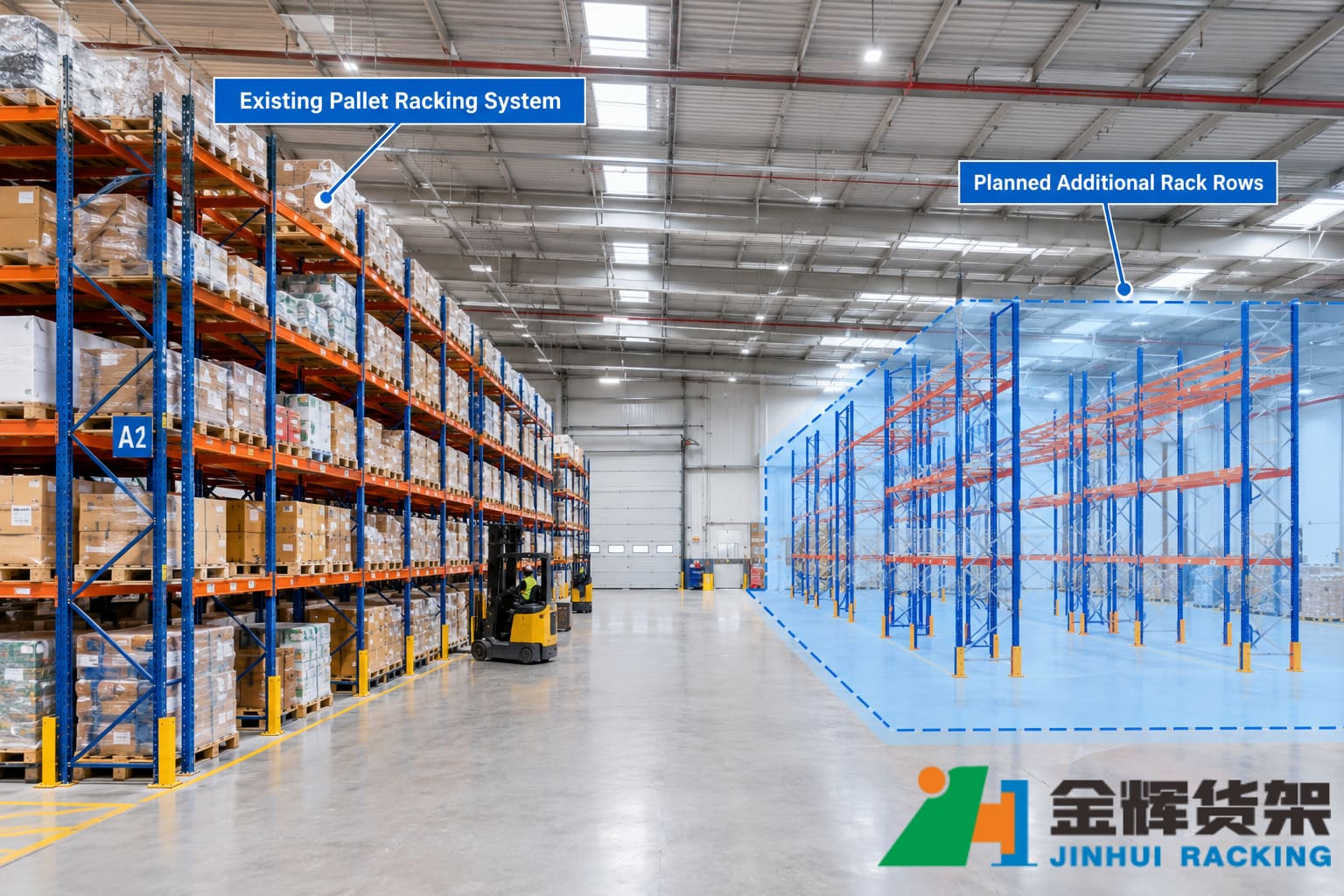
The best expansion area is not necessarily the largest empty space. The location should support efficient material flow and provide adequate clearance for rack installation, pallet handling, and daily operations.
5. Compare Different Warehouse Racking Expansion Options
There are several ways to increase storage capacity. The most suitable approach depends on available space, inventory characteristics, access requirements, building conditions, and the compatibility of the existing system.
| Expansion Option | Potential Benefit | Important Considerations |
|---|---|---|
| Add new rack rows | Creates additional pallet positions using available floor space. | Requires suitable floor area, aisle planning, and adequate equipment access. |
| Extend existing rack rows | May maintain a consistent storage layout and inventory flow. | Existing components, connections, row-end conditions, and system design must be checked. |
| Increase vertical storage | May use available building height more effectively. | Requires verification of rack capacity, building clear height, forklift capability, and applicable safety requirements. |
| Optimize the current layout | May recover usable space without adding as many new rack components. | Changes must preserve safe aisle access, handling clearances, and operational efficiency. |
| Consider higher-density racking | May increase pallet positions within a constrained footprint. | Must be evaluated against SKU variety, pallet rotation, selectivity, and handling equipment requirements. |
These options are not mutually exclusive. A warehouse may add rack rows in one area, improve inventory allocation in another, and consider a different storage configuration for products that are stored in larger quantities.
Explore JINHUI pallet racking systems to review storage solutions that can be considered for different warehouse requirements. The final configuration should be based on the actual site and inventory needs rather than storage density alone.
6. Confirm Compatibility Between Existing and New Rack Components
When expanding an existing system, compatibility is one of the most important technical considerations. New components should not be selected solely because they look similar to the racks already installed.
Before ordering additional components, confirm the following:
- Upright frames: Check the specifications, dimensions, connection arrangements, and suitability for the proposed configuration.
- Beams and connectors: Verify that the components are compatible with the existing frames and intended loading conditions.
- Beam levels: Review the proposed storage-level arrangement and the effects of any changes on the complete rack design.
- Load requirements: Confirm maximum pallet weights, load distribution, and the allowable capacity of the complete configuration.
- Accessories and protection: Check whether the proposed layout requires suitable guards, row spacers, barriers, or other system-specific accessories.
- Installation and anchoring: Confirm the required fixing method and installation details for the actual floor and rack design.
Changing beam lengths, storage levels, upright arrangements, or other major components may affect the structural behavior of the system. Do not assume that an existing load rating automatically applies to a modified rack configuration.
The manufacturer or a qualified engineer should verify the proposed arrangement and its allowable capacity before the expanded system is loaded. Where the existing and new systems have different specifications, the design should clearly address how the two areas will operate safely together.
7. Plan Inventory Relocation and Installation Activities
Expanding an operating warehouse can affect receiving, put-away, picking, replenishment, and shipping. A practical installation plan helps minimize disruption and prevents temporary storage from becoming disorganized.
Before installation begins, develop a sequence that covers:
- Choose the installation area: Confirm the work zone, access routes, and boundaries between installation activities and normal operations.
- Relocate affected inventory: Move pallets to approved temporary locations and update their recorded locations in the warehouse management system.
- Coordinate deliveries: Arrange component deliveries so that materials do not obstruct loading docks, aisles, or emergency routes.
- Schedule installation work: Coordinate the installation team with warehouse supervisors and other site personnel.
- Control access to the work zone: Keep unauthorized personnel and operating equipment away from restricted installation areas.
- Inspect the completed installation: Verify the installation against the approved design and resolve outstanding issues before loading.
- Update warehouse records: Add new pallet locations, revise storage maps, and communicate operational changes to employees.
For warehouses installing additional racks while remaining operational, our guide on preparing a warehouse for pallet rack installation provides further planning considerations.
8. Reorganize Inventory to Make the Expanded System More Effective
Adding pallet positions does not automatically improve warehouse efficiency. If products remain poorly allocated, employees may still experience unnecessary travel, slow picking, and replenishment delays after the expansion.
Use the additional capacity to review how inventory is organized.
- Fast-moving products: Assign locations that support frequent picking and replenishment while meeting handling and safety requirements.
- Slow-moving products: Consider placing reserve inventory in suitable locations that do not unnecessarily obstruct high-frequency operations.
- Heavy pallets: Allocate storage positions according to the approved rack design and the required load limits.
- Seasonal inventory: Plan for expected demand peaks and changes in stock levels.
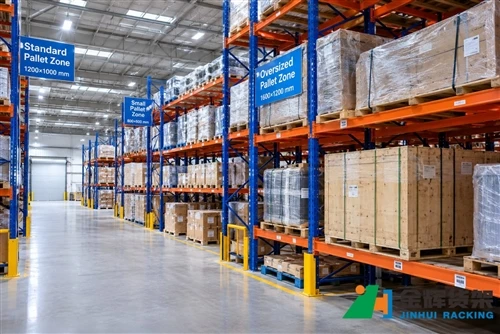
- Different pallet sizes: Confirm that each pallet fits its assigned location and is appropriately supported.
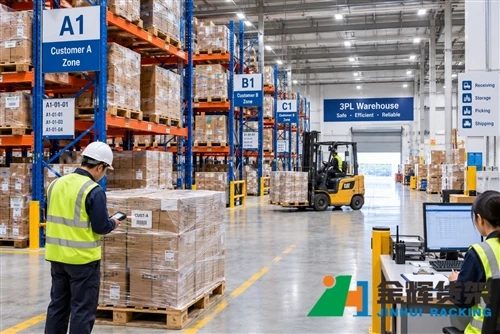
- Customer- or SKU-specific stock: Maintain clear location records to reduce picking errors and inventory confusion.
Update the warehouse management system, inventory maps, location labels, and employee procedures whenever the layout changes. A consistent location structure helps the expanded storage area remain usable as inventory continues to grow.
9. Avoid Common Mistakes During Warehouse Racking Expansion
Several avoidable mistakes can reduce the value of a warehouse expansion or create safety and operational problems.
| Common Mistake | Why It Causes Problems | Recommended Action |
|---|---|---|
| Adding racks without calculating future demand | The new storage area may become insufficient soon after installation. | Estimate current and projected inventory requirements before confirming the design. |
| Assuming new components fit the existing system | Visually similar components may have different specifications or connections. | Verify component compatibility with the manufacturer or a qualified professional. |
| Increasing rack height without checking constraints | Building conditions, equipment capability, and structural requirements may limit feasible height. | Review the complete configuration and applicable site requirements before making changes. |
| Reducing aisles without operational review | Forklift movements, visibility, and traffic flow may become unsuitable. | Validate aisle arrangements against handling equipment and operating conditions. |
| Ignoring rack damage | Existing damage may affect the suitability of the system for continued use. | Inspect the racks and address identified damage before relying on affected areas. |
| Failing to update inventory locations | Employees may lose track of pallets or place stock in incorrect locations. | Update location records, labels, and operating procedures before reopening the area. |
| Loading racks before final checks | Installation defects or unresolved design issues may go unnoticed. | Complete the required installation checks and obtain appropriate approval before loading. |
10. Warehouse Pallet Racking Expansion Checklist
Use the following checklist to coordinate the planning and implementation stages of an expansion project.
| Planning Stage | Items to Confirm |
|---|---|
| Storage assessment | Current capacity, peak occupancy, future demand, SKU profile, and additional pallet positions required. |
| Existing system review | Rack specifications, available drawings, load information, inspection records, and component condition. |
| Site evaluation | Usable floor area, building columns, clear height, floor conditions, traffic routes, and required clearances. |
| Design and compatibility | Rack configuration, component compatibility, load verification, forklift access, and inventory accessibility. |
| Installation planning | Work zones, temporary inventory locations, delivery schedules, installation sequence, and operational coordination. |
| Safety and approval | Required inspections, anchoring checks, installation verification, and applicable local requirements. |
| Operational handover | Updated warehouse maps, inventory records, location labels, employee training, and approved loading arrangements. |
Frequently Asked Questions
Can I add new pallet racks to an existing warehouse racking system?
Yes, in many cases. However, the available space, existing rack specifications, component compatibility, load requirements, floor conditions, and warehouse operating needs must be evaluated before the expansion is approved.
Is it better to extend existing rack rows or install new rows?
The answer depends on the warehouse layout and operational requirements. Extending existing rows may maintain a consistent layout, while adding new rows may be more practical where unused floor space is available. Both options require appropriate design and safety checks.
Can I increase the height of my existing pallet racks?
Possibly, but additional height should not be introduced without verifying the rack design, allowable capacity, building conditions, forklift capability, installation requirements, and applicable safety provisions. The manufacturer or a qualified engineer should review the proposed configuration.
How do I know how much additional storage capacity I need?
Compare current usable pallet positions with projected inventory demand, including peak periods and expected changes in product mix. Also consider accessibility, staging requirements, and operational space. A capacity estimate should be checked against a practical warehouse layout.
Do I need to stop warehouse operations during expansion?
Not necessarily. Some projects can be completed in stages while other areas remain operational. The feasibility depends on the installation scope, work-zone separation, inventory relocation options, and site safety requirements. Warehouse management and the installation team should agree on a controlled work plan.
Conclusion
Expanding an existing warehouse pallet racking system can help businesses accommodate growing inventory without immediately relocating to a larger facility. The most effective approach begins with a realistic assessment of current capacity, future storage demand, and the condition of the existing system.
Warehouse managers should compare layout options, verify component compatibility, confirm allowable loads, protect operational routes, and plan inventory relocation before installation begins. Once the additional racks are installed, updated inventory records and clear operating procedures help maintain the benefits of the expansion.
JINHUI provides pallet racking solutions for different warehouse layouts and storage requirements. By evaluating your existing system and future inventory needs, you can develop an expansion plan that balances storage capacity, accessibility, safety, and long-term flexibility.
WhatsApp: +86 185 0252 7163
Email: info@jhrack.com