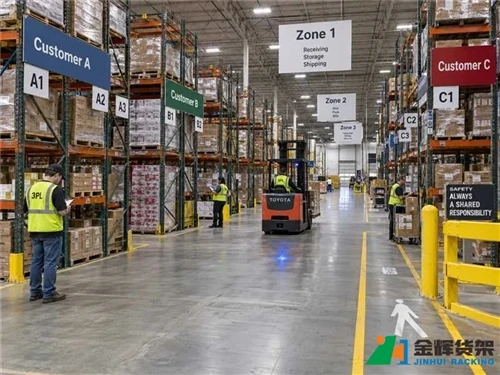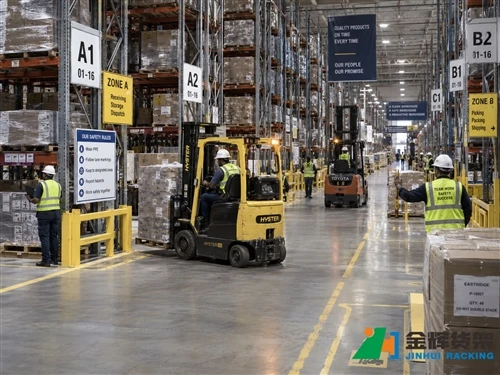
Pallet racking systems are designed to safely store heavy pallet loads, but their safety performance depends on regular inspection, correct operation, and timely maintenance.
During daily warehouse operations, forklifts, pallet handling equipment, changing inventory requirements, and accidental impacts can gradually affect rack components. Small problems that are ignored may develop into larger safety risks.
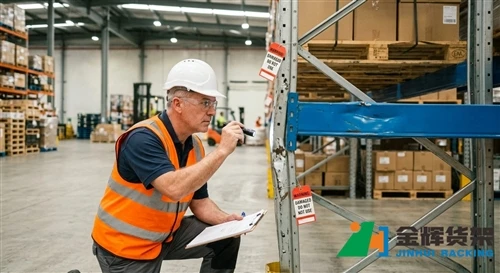
A regular pallet rack inspection program helps warehouse operators identify damaged components, verify load conditions, maintain safe storage practices, and reduce unexpected rack failures.
Why Regular Pallet Rack Inspections Are Important
A pallet rack system is a structural storage system that supports thousands of kilograms of inventory. Even when a rack is correctly designed and installed, its condition can change over time because of warehouse activities.
Common causes of rack damage include:
- Forklift collisions
- Improper pallet placement
- Overloaded storage levels
- Missing safety components
- Damaged rack frames
- Changes in warehouse operations
Regular inspections help detect these issues before they affect warehouse safety.
A good inspection program should combine daily visual checks, periodic detailed inspections, and professional assessments when required.
What Should Be Checked During a Pallet Rack Inspection?
A complete pallet rack inspection should examine all major structural and operational components.
| Inspection Area | What to Check |
|---|---|
| Upright frames | Bending, dents, damaged bracing, base plate condition |
| Beams | Beam deformation, connection condition, safety locks |
| Anchors | Loose or damaged floor anchors |
| Safety accessories | Column protectors, guards, safety pins |
| Load conditions | Pallet weight, load distribution, storage position |
| Rack labels | Visible and accurate load capacity information |
All inspection points should be recorded so warehouse managers can track changes over time.
Daily Visual Checks by Warehouse Workers
Daily inspection does not require removing inventory or performing detailed engineering analysis. It is mainly a quick visual check performed by employees who work around the racks every day.
Warehouse workers should look for:
- New forklift impact marks
- Leaning upright frames
- Missing beam safety pins
- Damaged pallets
- Pallets extending outside rack positions
- Unstable loads
- Blocked aisles
Forklift operators are often the first people who notice rack damage because they work directly beside the storage system.
Weekly and Monthly Pallet Rack Inspection Procedures
Besides daily checks, warehouses should perform more structured inspections at regular intervals.
A weekly or monthly inspection may include:
- Checking rack alignment
- Examining upright frames from different angles
- Checking beam connections
- Confirming safety accessories are installed
- Reviewing rack load conditions
- Inspecting areas with frequent forklift activity
High-traffic areas, such as aisle ends and forklift turning points, usually require closer attention because they experience more frequent impacts.
How Forklift Operations Affect Pallet Rack Safety
Forklifts are essential for pallet rack operations, but incorrect forklift handling is one of the most common causes of rack damage.
Potential risks include:
- Turning too close to rack uprights
- Driving too fast in aisles
- Incorrect pallet positioning
- Hitting lower rack frames
- Operating with poor visibility
Even a small impact can weaken rack components, especially if the same area is repeatedly damaged.
Warehouse operators should combine forklift training with rack protection measures to reduce these risks.
How to Identify Damaged Upright Frames
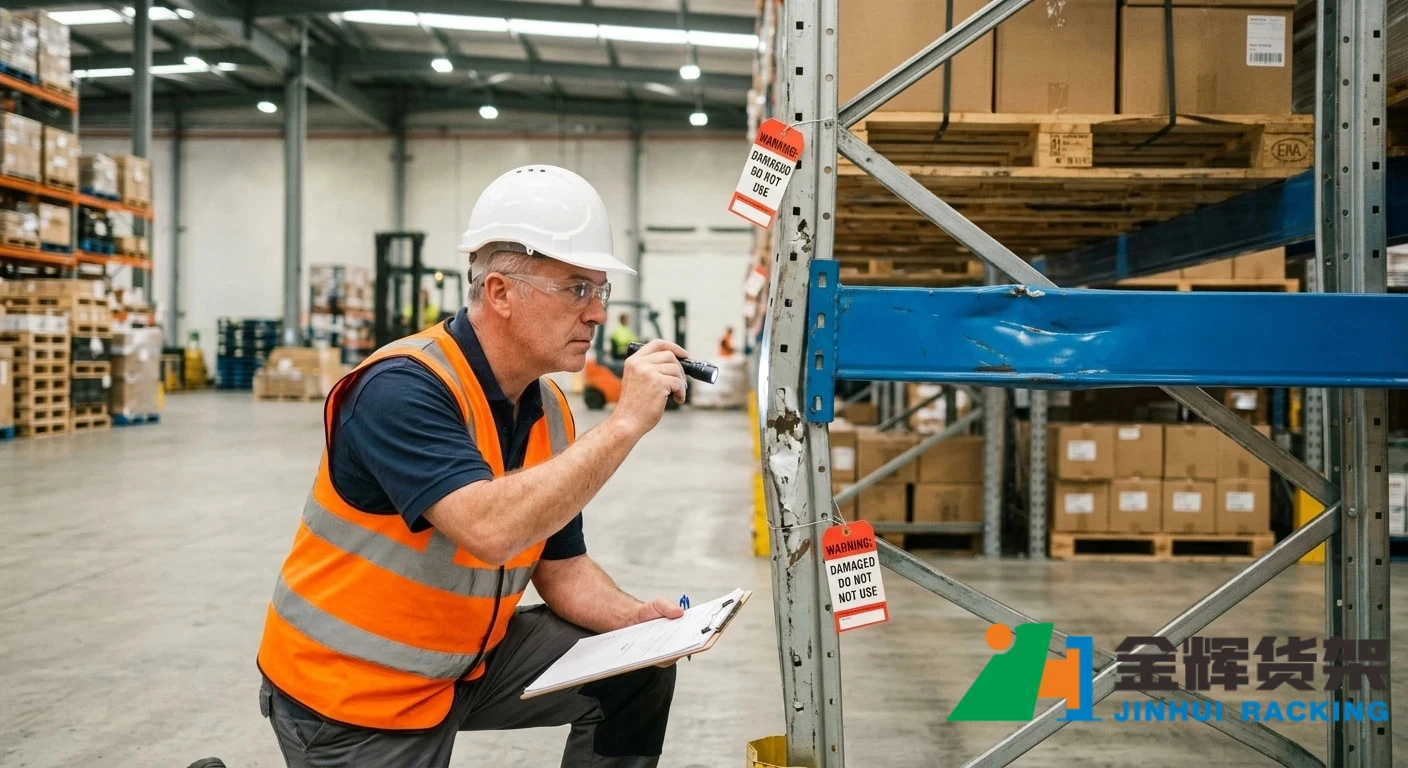
Upright frames carry the vertical loads of the rack structure. Damage to these components should always be taken seriously.
Signs of upright damage include:
- Bent upright columns
- Damaged horizontal bracing
- Damaged diagonal bracing
- Cracked or damaged base plates
- Loose floor anchors
If an upright frame has been significantly damaged, the affected area should be unloaded and evaluated before continued use.
How to Inspect Pallet Rack Beams
Rack beams directly support pallet loads and transfer weight between upright frames.
During inspection, check:
- Beam bending or permanent deformation
- Damaged beam connectors
- Missing safety locks
- Uneven pallet loading
- Signs of impact damage
A beam that appears slightly different from surrounding beams may require additional evaluation.
Pallet Rack Load Capacity Inspection
Rack capacity should always match the actual stored loads.
During inspections, warehouse managers should verify:
- Load capacity signs are visible
- Stored pallets match the rack design
- Pallet weights remain within limits
- Heavy loads are stored in appropriate locations
- Loads are evenly distributed
Rack capacity information should not be removed or ignored after installation.
Jinhui designs pallet racking according to pallet dimensions, maximum load weight, warehouse height, forklift requirements, and storage capacity requirements.
When Should Damaged Rack Components Be Replaced?
Damaged rack components should not simply be modified or temporarily repaired without proper evaluation.
Unsafe practices include:
- Hammering damaged uprights back into position
- Using damaged beams continuously
- Performing unauthorized welding repairs
- Ignoring repeated forklift impacts
The correct process is usually:
- Identify the damaged area.
- Remove or secure affected loads.
- Prevent access to unsafe locations.
- Replace damaged components when necessary.
- Verify the rack condition before returning it to service.
Inspecting Pallet Rack Safety Accessories
Safety accessories help reduce damage and improve warehouse rack protection.
Inspection should include:
- Column protectors
- Rack guards
- Safety barriers
- Wire decking
- Beam safety pins
- Rack row spacers
These components should remain properly installed and maintained.
How to Create a Pallet Rack Inspection Record
A written inspection record helps warehouse teams track rack conditions and maintenance actions.
| Inspection Item | Status |
|---|---|
| Upright frames | OK / Repair Required |
| Beams | OK / Repair Required |
| Safety pins | Installed / Missing |
| Anchors | Secure / Damaged |
| Rack protection | Available / Damaged |
| Load labels | Visible / Missing |
Common Pallet Rack Safety Problems
Damaged Uprights After Forklift Impact
Forklift impacts are one of the most common causes of pallet rack damage. Damaged upright frames should be inspected rather than ignored.
Missing Safety Pins
Safety pins help prevent accidental beam displacement during operation. Missing pins should be replaced promptly.
Incorrect Pallet Placement
Pallets should sit correctly on beams or decking. Incorrect placement can create unstable loading conditions.
Blocked Rack Aisles
Temporary pallet storage in aisles can create safety hazards and interfere with forklift operation.
Unclear Load Capacity Information
Warehouse employees need clear information about rack loading limits to prevent unsafe storage practices.
Pallet Rack Safety Inspection Checklist
| Check | Requirement |
|---|---|
| Rack frames | No significant bending or structural damage |
| Beams | No visible deformation or connection problems |
| Anchors | Securely fixed to the floor |
| Safety pins | Installed correctly |
| Loads | Stored within rack capacity limits |
| Aisles | Clear for forklift operation |
| Labels | Load information visible |
How to Improve Long-Term Pallet Rack Safety
A safe pallet rack system requires more than a strong rack design. It requires continuous management.
Warehouse operators should:
- Train forklift drivers properly
- Inspect racks regularly
- Record damage immediately
- Maintain clear aisles
- Replace damaged components
- Monitor changing storage requirements
Regular maintenance helps extend rack service life and supports safer warehouse operations.
Frequently Asked Questions
How often should pallet racks be inspected?
Inspection frequency depends on warehouse activity, rack usage, and operating conditions. Daily visual checks combined with scheduled detailed inspections are common practices.
Can damaged pallet racks be repaired?
Some damaged components may be replaced or repaired according to proper procedures, but damaged structural components should be evaluated before continued use.
Who should inspect warehouse pallet racks?
Warehouse employees can perform routine visual checks, while detailed assessments may require trained personnel familiar with rack safety requirements.
What is the most common cause of pallet rack damage?
Forklift impact is one of the most common causes because racks are frequently exposed to moving equipment during daily operations.
Final Thoughts
Pallet rack safety depends on continuous inspection, correct operation, and timely maintenance. A rack system that was safely installed can become unsafe if damage, incorrect loading, or poor warehouse practices are ignored.
By creating a regular inspection routine, warehouse managers can identify problems earlier, protect inventory, and maintain safer working conditions.
Jinhui Rack provides customized pallet racking solutions designed around warehouse layout, pallet specifications, load requirements, forklift operations, and safety considerations.
Need help evaluating your pallet rack safety requirements? Send your warehouse layout, rack specifications, pallet loads, and operating conditions to Jinhui Rack for professional guidance.