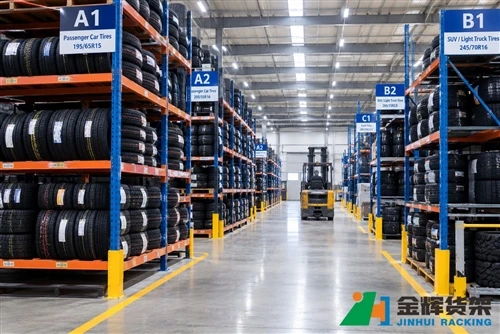
Third-party logistics (3PL) warehouses often manage inventory for multiple customers under one roof. Each customer may have different products, receiving schedules, order requirements, inventory ownership rules, and reporting expectations. When inventory records do not match physical stock, disagreements can arise over missing pallets, incorrect quantities, damaged goods, delayed updates, or unrecorded stock movements.
Inventory disputes can consume valuable time for warehouse managers, customer service teams, and account managers. They may also delay order fulfillment, complicate billing, and weaken customer relationships. Preventing these disputes requires more than conducting occasional stock counts. A 3PL warehouse needs consistent transaction records, clear responsibilities, reliable location management, and a documented process for investigating differences.
This guide explains how 3PL operators can reduce inventory disputes with customers, improve stock traceability, and establish more reliable inventory control procedures.

1. Understand the Common Causes of 3PL Inventory Disputes
Inventory disputes usually develop when the physical movement of goods and the corresponding records do not agree. The warehouse may hold the correct products but record the wrong quantity or location. Alternatively, the inventory system may show goods that cannot be found during a physical inspection.
Common causes include:
- Receiving discrepancies: The quantity delivered differs from the purchase order, advance shipping notice, or delivery documents.
- Unrecorded stock movements: Pallets are moved between locations without the required transaction being completed.
- Picking errors: Incorrect quantities are picked, or inventory is allocated to the wrong customer order.
- Damage and shortages: Goods are damaged, missing, or unusable, but the inventory status is not updated.
- Customer ownership confusion: Products belonging to different customers are not clearly identified in warehouse records.
- Delayed system updates: Physical operations are completed before the inventory records are updated.
- Unclear operating responsibilities: The warehouse and customer disagree about who should verify, report, or approve an inventory adjustment.
Identifying the underlying cause is important. Repeatedly changing inventory quantities without investigating the process that created the discrepancy may resolve one record temporarily while allowing the same problem to happen again.
2. Establish a Clear Receiving Verification Process
Receiving is one of the most important control points in a 3PL warehouse. If the quantity, product identity, or condition of incoming goods is recorded incorrectly, the error may affect every subsequent inventory transaction.
When goods arrive, warehouse personnel should follow a consistent verification procedure that matches the service agreement and the information available for the shipment.
A practical receiving procedure should include:
- Verify the shipment reference and the customer or account to which the goods belong.
- Compare the received products with the relevant delivery documents and expected shipment information.
- Check SKU, pallet count, quantity, and other required identifiers.
- Inspect visible packaging damage or other exceptions according to the receiving procedure.
- Record shortages, excess quantities, unidentified goods, or damaged items before completing the receiving transaction.
- Capture supporting evidence when necessary, such as photographs, signed delivery documents, or exception reports.
- Confirm that the receiving record has been entered into the warehouse management system.
For example, if a delivery document lists 24 pallets but only 23 are received, the discrepancy should be documented at the receiving stage. Recording 24 pallets without verification can create a dispute later when the customer requests the missing inventory.
The warehouse should also distinguish between a quantity confirmed at the dock and a quantity reported by the carrier or supplier. These figures may be different, and the records should preserve that distinction where required.
3. Separate Customer Inventory Clearly
In a multi-customer 3PL facility, inventory ownership must remain clear even when products are stored in the same building or within the same general storage zone.
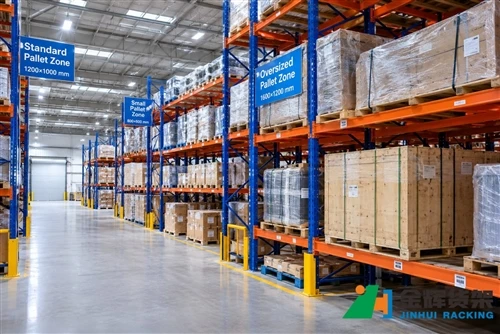
Customer separation can be managed through warehouse system records, product labels, pallet identifiers, location codes, or a combination of these controls. The appropriate method depends on the warehouse's systems, customer contracts, product characteristics, and operating procedures.
Important controls include:
- Assign each inventory record to the correct customer account.
- Use consistent SKU and product identification rules.
- Maintain a clear relationship between pallet identifiers and inventory records.
- Define whether shared rack rows or storage zones are permitted.
- Verify customer ownership before picking, transferring, consolidating, or releasing goods.
- Keep restricted, quarantined, or disputed inventory distinguishable from available stock.
Different customers may have similar products or use different codes for comparable goods. Warehouse personnel should not assume that visually similar products are interchangeable. The customer account, SKU, batch or lot details where applicable, and inventory status should be checked before a transaction is completed.
For further background on physical storage organization, see JINHUI Rack's guide to organizing pallet racking in a 3PL warehouse with multiple customers.
4. Record Every Inventory Movement
Inventory disputes frequently occur when goods are physically moved but the corresponding system transaction is missing, delayed, or assigned to the wrong location.
A pallet may move from receiving to temporary staging, then into a rack location, later to a picking area, and finally to outbound staging. Each movement should follow the warehouse's transaction procedure so that the inventory history remains traceable.
For each relevant movement, the warehouse should record:
- The product or pallet identifier.
- The customer account and SKU.
- The original and destination locations.
- The quantity moved.
- The transaction date and time, as supported by the system.
- The operator or responsible process, where recorded.
- The reason for the movement, when required.
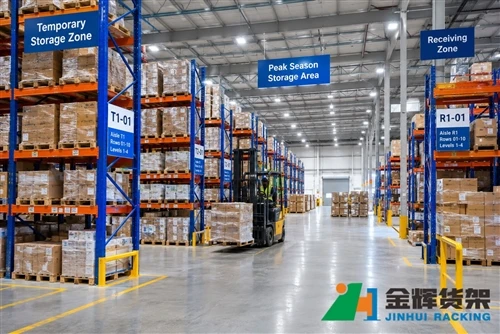
Temporary storage areas require particular attention. If a pallet is moved into an overflow zone during a busy period, the new location should be recorded rather than treated as an informal holding place.
Consistent location records also help warehouse teams investigate whether missing inventory has actually left the facility or has simply been moved to another storage position.
5. Use Rack Location Management to Improve Traceability
A warehouse inventory record should connect the product to its physical location. Knowing that a customer has 50 pallets in total is less useful when the warehouse cannot determine where those pallets are stored.
A consistent rack location structure can include a zone, row, bay, and storage level. The exact format should be compatible with the warehouse layout and inventory management system.
For example, a location code such as A-03-02-04 might identify a particular zone, row, bay, and level if that is how the warehouse has defined its location structure. The code itself is only useful when it is consistently applied and mapped to the actual physical location.
Useful practices include:
- Label rack locations clearly and consistently.
- Maintain an accurate mapping between physical positions and system records.
- Record location changes promptly.
- Verify the destination before putting away a pallet.
- Check the physical location when investigating missing or misplaced inventory.
- Ensure that temporary locations are included in the inventory control process.
Warehouse management system integration can further support this process by linking inventory transactions to specific storage locations. Learn more in JINHUI Rack's article on integrating pallet racking with a warehouse management system.
6. Define Inventory Status and Exception Handling Rules
Not every pallet physically present in a warehouse should be treated as available inventory. Goods may be damaged, awaiting inspection, subject to a customer hold, allocated to an order, or awaiting confirmation of ownership.
If these statuses are not managed consistently, the customer and warehouse may report different quantities even when both are referring to the same physical stock.
A warehouse should define the inventory statuses used in its system and explain when each status applies.
| Inventory Status | Typical Situation | Control Requirement |
|---|---|---|
| Available | Stock that meets the warehouse's release requirements | Include in available inventory according to the agreed rules. |
| Allocated | Stock assigned to a customer order | Track the allocation and prevent unintended release to another order. |
| On Hold | Stock awaiting customer instructions or internal review | Prevent unauthorized picking or dispatch. |
| Damaged | Goods identified as damaged or potentially unusable | Record the affected quantity and follow the agreed disposition process. |
| Under Investigation | Inventory involved in an unresolved discrepancy | Preserve records and restrict adjustments or movements as appropriate. |
These are illustrative categories. A 3PL operator should use statuses that match its WMS configuration, customer agreements, and operational requirements.
When a discrepancy is reported, the affected inventory should be handled according to a defined procedure. This may involve checking adjacent locations, reviewing recent transactions, confirming customer instructions, and restricting further movements where necessary.
7. Create a Standard Inventory Discrepancy Investigation Process
When a customer reports missing or excess inventory, the warehouse should follow a repeatable investigation process rather than immediately changing the system quantity.
A structured process can include the following steps.
- Register the discrepancy: Record the customer, SKU, quantity in question, reported location, and date of discovery.
- Verify the physical stock: Check the assigned rack position, nearby locations, temporary storage areas, and other approved locations relevant to the investigation.
- Review transaction history: Examine receiving, put-away, replenishment, picking, transfer, return, and adjustment records.
- Check supporting documents: Review delivery records, order documents, photographs, exception reports, and other available evidence.
- Identify the likely cause: Determine whether the difference resulted from a receiving error, location error, transaction omission, damage, picking issue, or another cause.
- Agree on the next action: Follow the agreed customer communication and approval process for corrections, claims, or inventory disposition.
- Document the outcome: Record the investigation findings, authorized adjustments, and corrective actions.
For example, if the WMS shows five pallets but only four are found in the assigned rack position, the warehouse should check recent movement records and other relevant locations before concluding that one pallet is missing.
The investigation should distinguish between confirmed facts and possible explanations. If the available evidence cannot establish the cause, the report should state that the discrepancy remains unresolved rather than presenting an assumption as a confirmed finding.
8. Agree on Responsibilities and Reporting Timelines
Inventory control is a shared operational process between a 3PL provider and its customers. Disputes can become more difficult to resolve when the parties have different expectations about what must be checked, what evidence must be provided, or when a discrepancy must be reported.
Customer agreements and operating procedures should clarify responsibilities for matters such as:
- Providing accurate advance shipment and product information.
- Confirming SKU, quantity, and handling requirements.
- Documenting shortages, excess goods, and visible damage at receiving.
- Authorizing inventory adjustments where required.
- Reporting picking, shipping, and inventory discrepancies.
- Providing evidence for disputed transactions.
- Defining escalation contacts for unresolved cases.
Reporting timelines should be agreed in advance and reflect the services being provided. For example, the parties may define when a receiving exception must be reported and how quickly an investigation update should be supplied.
It is also useful to establish a regular review meeting for recurring discrepancies. Reviewing patterns together can help both parties correct upstream problems, such as inaccurate shipment information or unclear product identification rules.
9. Use Cycle Counting to Detect Problems Early
Regular cycle counting can identify quantity and location differences before they develop into larger operational disputes. Instead of waiting for a customer complaint or a full physical inventory count, warehouse teams check selected SKUs, rack positions, or inventory groups according to a planned schedule.
Counting frequency should reflect the warehouse's inventory risks, transaction volume, product value, previous discrepancies, and operating requirements.
During a count, personnel should verify the product identity, physical quantity, rack location, and relevant inventory status. If a difference is discovered, the warehouse should investigate it before making an adjustment.
Cycle counting is most useful when it is connected to a corrective-action process. If the same type of discrepancy repeatedly occurs during receiving or replenishment, the warehouse should review that workflow instead of relying solely on more frequent counts.
For more detail, see how to manage pallet rack inventory cycle counting in a warehouse.
10. Maintain Reliable Evidence for Inventory Claims
Clear evidence helps the 3PL operator and customer understand what happened and decide on the appropriate next step. Evidence requirements should be proportionate to the transaction and defined in the service agreement or operating procedure.
Depending on the situation, useful records may include:
- Delivery documents and receiving reports.
- Product, pallet, or shipment identifiers.
- Time-stamped inventory transactions.
- Records of rack location changes.
- Photographs of damaged goods or shipping conditions.
- Picking, packing, and dispatch records.
- Approved inventory adjustments.
- Investigation notes and customer communications.
Records should be retained according to the organization's document retention policy, customer agreements, and applicable requirements. Access to customer inventory data should also be controlled so that sensitive information is only available to authorized personnel.
The goal is not to collect paperwork without purpose. It is to preserve enough reliable information to trace inventory movements, verify exceptions, and explain how a decision was reached.
11. Measure Inventory Accuracy and Dispute Trends
A 3PL warehouse can use operational indicators to identify recurring inventory problems and evaluate whether corrective actions are effective.
| Metric | What It Helps Measure | How to Use It |
|---|---|---|
| Inventory Accuracy | Agreement between physical stock and system records | Identify inventory groups or zones that require further review. |
| Location Accuracy | Whether inventory is stored in its recorded location | Identify put-away and transfer control issues. |
| Receiving Discrepancy Rate | Frequency of differences found during receiving | Review supplier information and receiving procedures. |
| Inventory Adjustment Frequency | How often stock records require correction | Identify repeated transaction or process problems. |
| Dispute Resolution Time | Time required to investigate and close reported cases | Identify delays in evidence collection or decision-making. |
| Recurring Discrepancy Causes | Repeated sources of inventory differences | Prioritize corrective actions and staff training. |
Metrics should be interpreted in context. A high number of adjustments, for example, may indicate a process weakness, but it can also reflect better detection of previously unrecorded errors. Reviewing the causes alongside the numbers provides a more useful picture of inventory control performance.
12. Common Mistakes That Increase Inventory Disputes
Updating Inventory Without Physical Verification
Changing a system quantity simply because it differs from a customer report can conceal the actual cause. Verify the relevant stock and transaction history before approving an adjustment.
Leaving Temporary Locations Out of the System
Goods placed in overflow, staging, or inspection areas can become difficult to trace when their locations are not recorded. Temporary locations should be included in the inventory control process.
Mixing Similar Products Without Clear Identification
Similar packaging or product descriptions can lead to picking and receiving mistakes. Use the identification fields and labels required by the warehouse's inventory procedures.
Failing to Record Damaged or Held Stock
If damaged or restricted inventory remains recorded as available, the customer may expect goods that cannot be released. Update the inventory status and document the exception according to the agreed process.
Relying on Informal Communication
Verbal explanations alone may not provide enough information to resolve a disputed transaction later. Important decisions, approvals, and findings should be documented in the appropriate system or record.
Correcting Individual Errors Without Addressing Their Causes
Repeated discrepancies may indicate that a receiving, picking, transfer, or training procedure needs improvement. Review recurring patterns and assign corrective actions to a responsible person or team.
3PL Inventory Dispute Prevention Checklist
Warehouse managers can use the following checklist when reviewing inventory control procedures with customers.
| Control Area | Verification Item |
|---|---|
| Receiving | Verify shipment identity, quantity, product codes, and exceptions. |
| Customer Ownership | Ensure every inventory record is assigned to the correct customer. |
| Rack Locations | Maintain consistent location codes and accurate physical-to-system mapping. |
| Stock Movements | Record receiving, put-away, replenishment, transfers, picking, and dispatch. |
| Inventory Status | Distinguish available stock from damaged, held, or disputed inventory. |
| Discrepancy Handling | Investigate differences before approving inventory adjustments. |
| Evidence | Retain relevant transaction records and supporting documents. |
| Customer Communication | Define reporting timelines, responsibilities, and escalation contacts. |
| Performance Review | Monitor recurring discrepancies and track corrective actions. |
Frequently Asked Questions
What causes inventory disputes between 3PL warehouses and customers?
Common causes include receiving quantity differences, unrecorded stock movements, incorrect rack locations, picking errors, damaged goods, unclear inventory ownership, and inconsistent inventory status records.
How can a 3PL warehouse prove that inventory was received?
The warehouse can maintain receiving records that identify the shipment, product, quantity verified, receiving date, and any exceptions. Supporting documents and photographs may also be useful where appropriate.
What should a 3PL do when physical inventory does not match the WMS?
Verify the physical inventory, review relevant locations and transaction history, examine supporting documents, and investigate the likely cause. Any adjustment should follow the warehouse's authorization and documentation procedures.
How can 3PL warehouses prevent different customers' inventory from being mixed?
Use clear customer ownership records, consistent product identifiers, defined location rules, and transaction verification procedures. Shared storage areas should only be used where the warehouse's systems and operating rules can maintain reliable inventory identification.
Does pallet racking affect inventory dispute prevention?
Yes. A clearly organized rack layout and consistent location identification can help employees find products and verify physical stock. However, accurate inventory records and disciplined transaction procedures are also necessary.
How often should a 3PL warehouse reconcile inventory with its customers?
The appropriate schedule depends on transaction volume, inventory risk, customer agreements, and previous discrepancies. Regular reporting and scheduled reviews can help identify differences early, while cycle counting provides ongoing physical verification.
Conclusion
Preventing inventory disputes between 3PL warehouses and their customers requires a consistent connection between physical goods, warehouse locations, system transactions, and customer agreements. Accurate receiving, clear inventory ownership, documented stock movements, and a structured discrepancy investigation process all help reduce uncertainty.
Warehouse operators should also use cycle counting and performance reviews to identify recurring problems before they affect customer orders or commercial relationships. When discrepancies occur, reliable evidence and clearly defined responsibilities make it easier to establish what happened and agree on the next steps.
By combining organized pallet storage with accurate inventory records and consistent operating procedures, 3PL warehouses can improve inventory traceability, support more reliable order fulfillment, and build stronger customer relationships.
JINHUI Rack provides industrial pallet racking solutions for different warehouse storage requirements. For a suitable storage configuration, share your warehouse layout, pallet dimensions, load requirements, and operational needs with the team.
WhatsApp: +86 185 0252 7163
Email: info@jhrack.com