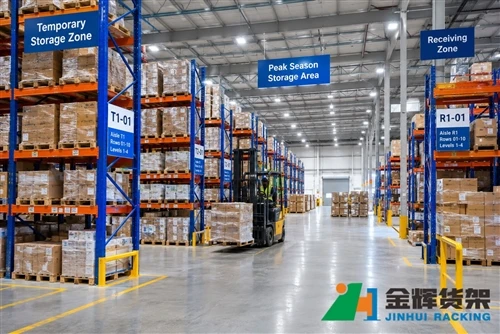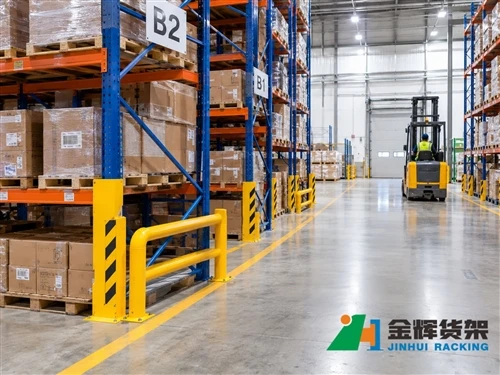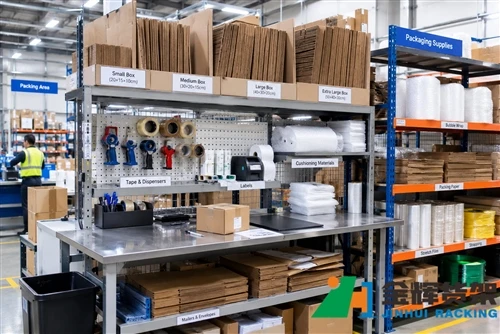
Relocating existing pallet racking to a new warehouse can help businesses reuse suitable storage equipment, reduce material waste, and adapt their storage operations to a different facility. However, moving a racking system requires more than dismantling the steel components and assembling them again in another building.
The new warehouse may have different floor conditions, ceiling heights, column positions, aisle requirements, forklift equipment, and storage demands. Some existing components may also have hidden damage, missing connection hardware, or compatibility issues that affect whether they can be reused.
This guide explains how to plan a pallet rack relocation project, including equipment assessment, component labeling, inventory transfer, dismantling, transportation, reinstallation, and final inspection.
Why Relocate Existing Pallet Racking?
Businesses may relocate pallet racking when expanding operations, consolidating facilities, moving to a larger warehouse, or changing their distribution strategy. If the existing equipment remains suitable for use, relocating it may be an alternative to purchasing an entirely new system.
Potential benefits include:
- Equipment reuse: Suitable rack components can continue serving storage needs at another facility.
- Reduced material waste: Reusing serviceable components may reduce unnecessary disposal.
- Storage continuity: A planned move helps transfer storage infrastructure to the new warehouse.
- Layout improvement: Relocation creates an opportunity to review storage density and material flow.
- Flexible planning: Businesses can identify which components to reuse, replace, or supplement.
However, relocation is not always the most economical option. The condition of the equipment, transportation costs, labor requirements, compatibility, and installation work should all be considered before making a decision.
1. Assess the Existing Pallet Racking System
Before dismantling begins, document the existing pallet racking system and evaluate the condition of its components. This assessment helps determine what may be suitable for reuse and what requires further inspection or replacement.
Record the current configuration, including rack rows, bays, upright frames, beams, storage levels, and accessories. Collect available drawings, load-capacity information, component specifications, and previous inspection records.
Pay particular attention to:
- Upright frames, beams, connectors, and bracing.
- Visible deformation, corrosion, cracks, or other damage.
- Missing components or unauthorized structural modifications.
- Base plates, anchors, and connection hardware.
- Existing rack dimensions and configuration.
- Availability of compatible replacement components.
Do not assume that every component is reusable simply because it has been in service for years. Damaged or questionable components should be evaluated by the manufacturer or a qualified rack design professional before reuse.
2. Measure the New Warehouse
An existing rack layout may not fit the new facility, even when both warehouses have similar floor areas. Building dimensions, columns, doors, floor conditions, and operating requirements can differ considerably.
Before preparing the relocation plan, review the new warehouse's physical dimensions and operational needs.
Important information includes:
- Available floor area and storage height.
- Building columns, walls, doors, and loading areas.
- Floor condition and proposed rack installation locations.
- Forklift turning space and required operating aisles.
- Fire protection equipment, exits, and access routes.
- Receiving, picking, staging, and shipping areas.
- Pallet dimensions, product weights, and expected inventory volume.
These measurements help determine whether the existing configuration can be reused or whether a different layout is necessary. The new warehouse should be assessed as a separate installation project rather than treated as an identical copy of the previous facility.
3. Verify Component Compatibility
Pallet racking is a structural system in which upright frames, beams, connectors, bracing, base plates, and anchors work together. Components that appear similar are not necessarily interchangeable.
Before reusing existing equipment, verify:
- Upright profiles and frame configurations.
- Beam lengths, profiles, and connector designs.
- Required bracing and connection hardware.
- Approved beam elevations and storage arrangements.
- Rack height and intended loading requirements.
- Base plate and anchoring requirements at the new site.
If the new warehouse requires different beam levels, rack heights, or storage loads, the proposed configuration must be reviewed before installation.
Do not cut, drill, weld, or otherwise modify structural components to make them fit without appropriate technical approval. Reuse decisions should be based on verified compatibility and an approved configuration, not visual similarity alone.
4. Label and Record Every Component
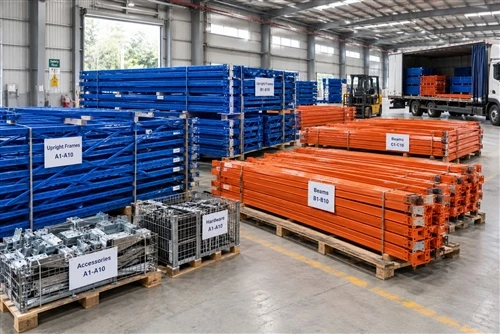
Accurate component identification makes dismantling, transportation, and reinstallation easier to coordinate. Without a labeling system, components from different rack rows may become mixed, creating delays and compatibility problems during reassembly.
Create a component register before dismantling begins. It should record the component type, identification code, quantity, condition, and intended reuse status.
| Component | Information to Record |
|---|---|
| Upright frames | Identification code, dimensions, condition, and reuse status. |
| Beams | Length, connector type, condition, and compatibility information. |
| Bracing | Component identification, associated frame, and condition. |
| Base plates and anchors | Type, condition, and replacement requirements. |
| Accessories | Type, quantity, condition, and intended location. |
| Connection hardware | Required quantities, available items, and missing parts. |
Use durable labels that remain readable during handling and transportation. Photographs of the original rack rows and connections can also help the installation team understand the previous arrangement.
Remember that labels support traceability but do not replace component inspections or compatibility checks.
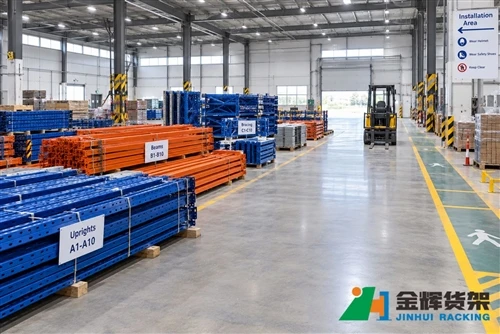
Organizing and labeling components before transportation can simplify the relocation process and help the installation team identify the correct parts at the new facility.
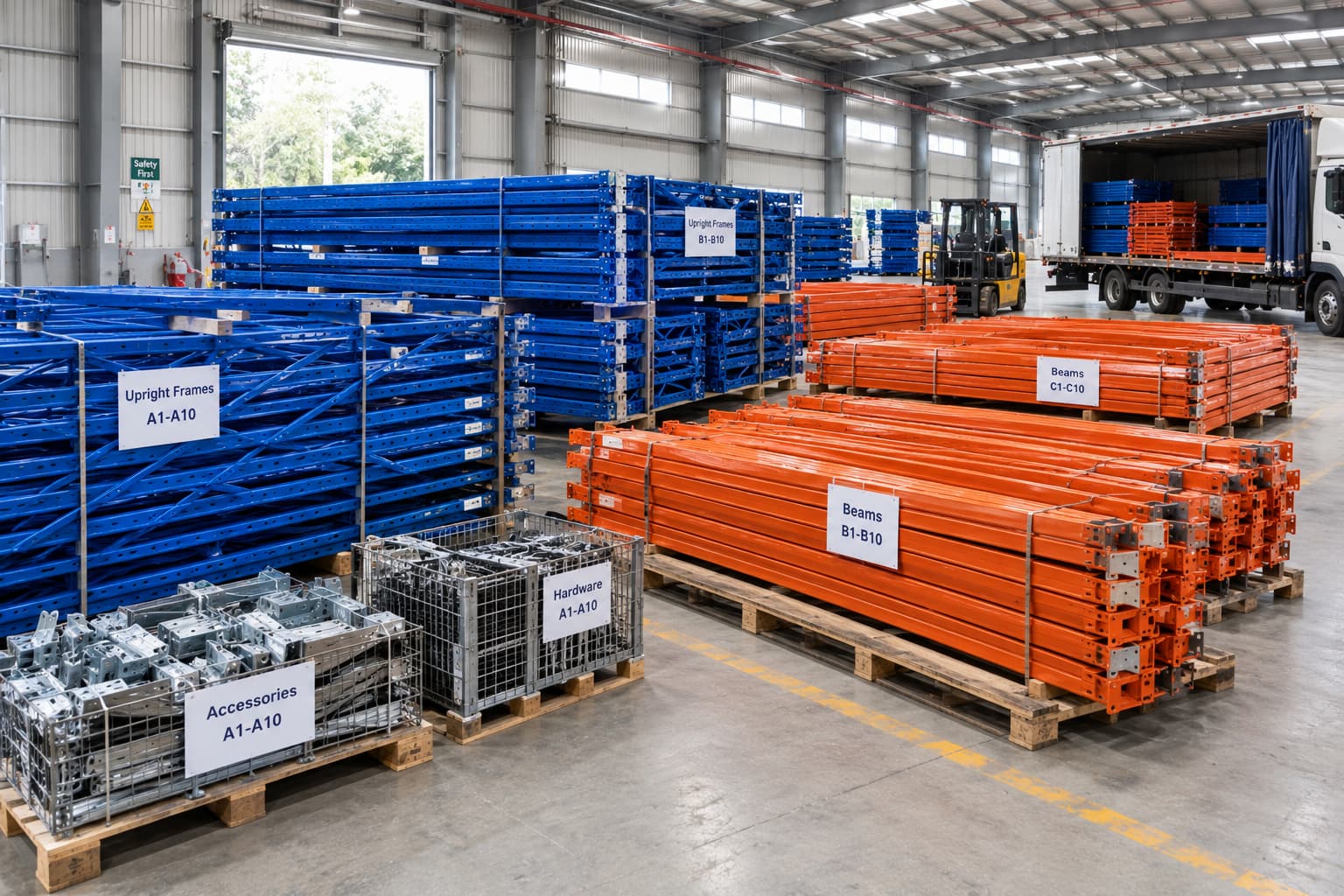
Proper component identification and careful handling help reduce confusion during transportation and make it easier to verify equipment condition before reinstallation.
5. Plan Inventory Transfer Before Dismantling
The existing warehouse may still contain products that need to be moved before the racks can be dismantled. Poorly planned inventory transfer can cause unnecessary handling, temporary storage congestion, and project delays.
Prepare an inventory transfer plan that identifies what is stored in each affected rack section and where the products will be placed during the move.
Consider the following actions:
- Identify the inventory stored in each rack row.
- Determine which products can move directly to the new facility.
- Arrange temporary storage for products that cannot be transferred immediately.
- Update inventory location records during the transfer.
- Prioritize high-demand and time-sensitive products.
- Coordinate stock movement with transportation and receiving schedules.
- Maintain safe separation between inventory handling and dismantling activities.
For large warehouses, moving inventory and dismantling racks in phases may be more manageable than completing the entire operation at once.
6. Dismantle the Racking in a Controlled Sequence
Dismantling should be performed by appropriately trained personnel using a method suitable for the rack system and site conditions. The work sequence must account for the existing structure, component handling requirements, and workplace safety.
Before work begins, confirm that the affected rack sections are empty, the work area is controlled, and the necessary tools and handling equipment are available.
A typical relocation plan includes:
- Confirm that the rack section has been emptied and released for dismantling.
- Establish a controlled work zone and restrict unauthorized access.
- Identify components and their intended destinations.
- Dismantle the system according to the approved method and manufacturer's instructions.
- Keep related components organized and identifiable.
- Protect components during handling.
- Record damaged, missing, or questionable parts.
- Prepare the components for transportation.
This is a general planning sequence rather than a universal dismantling procedure. The actual method depends on the rack design and site-specific risk assessment.
Never dismantle loaded rack sections or remove structural members in an improvised order. Where the stability of the existing system is uncertain, obtain appropriate professional guidance before proceeding.
7. Protect Components During Transportation
After dismantling, components must be handled and transported in a way that minimizes damage. Steel frames and beams may become bent or damaged if they are dropped, dragged, or inadequately secured.
Transportation planning should address:
- Suitable vehicles for the size and quantity of components.
- Safe loading and unloading arrangements.
- Secure bundling and restraint during transit.
- Protection of connectors and other vulnerable features.
- Separation of components to reduce unnecessary movement.
- Clear identification of each component group.
- Delivery scheduling and unloading space at the new warehouse.
Long or heavy components may require specialized handling arrangements, depending on their dimensions and weight. Confirm the appropriate handling method before loading.
Inspect the components again after delivery. Transportation and unloading can introduce damage that was not present during the initial assessment, so update the component register when necessary.
8. Prepare the New Warehouse for Reinstallation
Before reinstallation begins, confirm that the new warehouse is ready to receive the relocated equipment. This includes checking the approved layout, installation area, component staging locations, and planned work sequence.
Preparation tasks should include:
- Confirming the approved rack layout.
- Checking the installation area and identifying building obstacles.
- Verifying that the floor is suitable for the planned installation.
- Preparing designated areas for receiving and organizing components.
- Confirming forklift access and required operating routes.
- Providing the installation crew with the necessary drawings and instructions.
- Coordinating installation activities with other warehouse operations.
Do not automatically reuse the original anchoring arrangement. Floor conditions, rack positions, and design requirements at the new warehouse may differ. Anchors and base plates must follow the approved design for the new installation.
9. Reinstall the Racking According to the Approved Design
Reinstallation should follow the approved layout and the applicable manufacturer's instructions. The fact that the components were previously assembled elsewhere does not mean that the same arrangement is automatically suitable for the new warehouse.
Before assembling each rack section, verify that the selected components match the approved configuration.
Important considerations include:
- Correct positioning of rack rows and upright frames.
- Installation of the specified frame bracing and connections.
- Use of compatible beams and connection hardware.
- Correct beam elevations and approved storage configuration.
- Appropriate alignment and anchoring.
- Clearance from building features and warehouse equipment.
- Installation of required safety accessories.
If the relocation involves different rack heights, bay widths, load requirements, or structural configurations, obtain the necessary technical review before proceeding.
Do not force incompatible components together or modify structural parts to make them fit. Missing or unsuitable components should be addressed through an approved replacement or redesign process.
10. Confirm Load Capacity and Operating Requirements
One of the most important steps in a pallet rack relocation project is confirming that the new configuration is suitable for the intended loads and operating conditions.
The original system may have been designed for different pallet dimensions, beam spans, storage levels, or loading arrangements. Changes to these factors can affect the structural performance of the complete system.
Before loading the relocated racks, verify:
- The approved configuration and applicable load information.
- The compatibility of all installed components.
- The intended pallet dimensions and loaded weights.
- The number and position of storage levels.
- The anchoring and installation arrangements.
- The suitability of the rack for the planned forklift operations.
- Any inspections or approvals required before use.
Do not assume that the original load capacity remains valid after relocation or reconfiguration. The responsible designer or manufacturer should confirm the applicable capacity for the installed arrangement.
Update load-capacity signage and operating instructions where required so warehouse personnel can identify the approved limits of the relocated system.
11. Inspect the Racking Before Returning It to Service
After reinstallation, complete the required checks before storing inventory in the relocated system. The inspection should verify that the installation matches the approved design and that any identified problems have been resolved.
The review may cover:
- Rack row positions and overall configuration.
- Upright frame alignment and bracing.
- Beam connections and specified locking devices.
- Base plates and anchoring arrangements.
- Component damage or unauthorized modifications.
- Required safety accessories.
- Load-capacity information and operating instructions.
- Completion of outstanding installation issues.
The required inspection scope depends on the rack system, installation requirements, and applicable regulations. Where necessary, a qualified professional should complete or approve the relevant checks.
Do not load the system until the necessary installation checks and handover requirements have been completed.
12. Common Pallet Rack Relocation Mistakes to Avoid
Assuming Every Component Can Be Reused
Some components may be damaged, incompatible, or unsuitable for the new configuration. Evaluate each component before approving it for reuse.
Skipping the New Site Assessment
The new warehouse may have different dimensions, floor conditions, obstacles, and operating requirements. Measure the site and approve the layout before installation.
Mixing Incompatible Components
Components that look similar are not necessarily interchangeable. Verify specifications and obtain technical approval before combining parts from different rack systems.
Failing to Label Components
Unlabeled parts can become difficult to identify after dismantling. A component register, durable labels, and photographs help maintain traceability.
Ignoring Transportation Damage
Damage may occur after the initial inspection. Recheck components after delivery and remove questionable parts from the reuse process until they have been assessed.
Reusing the Original Anchoring Arrangement Without Review
The new floor and rack configuration may require a different anchoring arrangement. Follow the approved design for the new installation.
Loading Racks Before Final Checks
Reassembly alone does not confirm that the system is ready for use. Complete the required checks and confirm the approved load information before returning the racks to service.
13. Pallet Rack Relocation Checklist
Use the following checklist to coordinate the project between warehouse management, the relocation team, transportation providers, and the rack supplier.
| Project Stage | Key Actions |
|---|---|
| Initial assessment | Record the existing rack configuration, documentation, component condition, and reuse requirements. |
| New site review | Measure the warehouse and confirm the proposed layout and operating requirements. |
| Compatibility review | Verify that existing components are suitable for the approved configuration. |
| Inventory planning | Arrange stock relocation and maintain accurate inventory records. |
| Component identification | Label and record frames, beams, bracing, accessories, and hardware. |
| Dismantling | Establish the work zone and follow the approved dismantling method. |
| Transportation | Secure components and arrange safe loading, delivery, and unloading. |
| Reinstallation | Follow the approved layout, installation instructions, and anchoring requirements. |
| Final verification | Complete required checks and confirm load information before use. |
14. When Should You Replace Existing Pallet Racking Instead?
Relocation is not always the most practical choice. In some situations, purchasing a new racking system may be more suitable than transporting and reusing the existing equipment.
Consider replacement when:
- Existing components have significant damage or an uncertain condition.
- The original rack configuration does not suit the new warehouse.
- Storage requirements differ substantially from the original design.
- Important components are missing or difficult to replace.
- Compatibility with the new layout cannot be confirmed.
- Inspection, dismantling, transportation, replacement parts, and reinstallation costs make reuse unattractive.
Compare the full relocation cost with the cost of a new system designed around the current warehouse requirements. The comparison should include labor, transportation, inspection, replacement parts, redesign, installation, and operational downtime-not just the purchase price of new racks.
Frequently Asked Questions
Can existing pallet racking be moved to another warehouse?
Yes, existing pallet racking may be relocated if its condition, component compatibility, and proposed configuration have been properly assessed and approved. Suitability should not be assumed based only on previous use.
Can pallet racks be reassembled in a different layout?
A different layout may be possible, but it must be reviewed against the available components, building dimensions, pallet loads, forklift requirements, and applicable design criteria. Significant changes should be approved before installation.
Should pallet rack components be inspected before dismantling?
Yes. An initial assessment helps identify damaged or questionable components before transportation. A further inspection after delivery is also important because handling and transportation can introduce additional damage.
Can components from different pallet rack brands be mixed?
Do not assume that components from different manufacturers or rack models are interchangeable. Compatibility should be verified by the manufacturer or a qualified rack design professional before combining parts.
Does the original load capacity remain valid after relocation?
Not automatically. The approved capacity depends on the installed configuration and applicable design conditions. The responsible professional should confirm the capacity information for the relocated system before it is loaded.
Is relocating pallet racking cheaper than buying new racks?
The answer depends on component condition, transport distance, labor, compatibility, modifications, and installation costs. A full project comparison is more useful than comparing only the cost of transportation with the purchase price of new equipment.
Conclusion
Relocating existing pallet racking can be a practical option for businesses moving to a new warehouse, but successful reuse requires more than dismantling and reassembling the equipment. Existing components must be assessed, the new site must be evaluated, and the proposed configuration must be approved for the intended storage requirements.
Clear component labeling, planned inventory transfer, controlled dismantling, careful transportation, and appropriate reinstallation checks help keep the project organized. Before the racks return to service, confirm that the installed system meets the applicable technical and safety requirements and that its approved load information is available.
If you are planning a warehouse move or evaluating storage options for a new facility, contact JINHUI Rack to discuss your project requirements and suitable racking solutions.
WhatsApp: +86 185 0252 7163
Email: info@jhrack.com