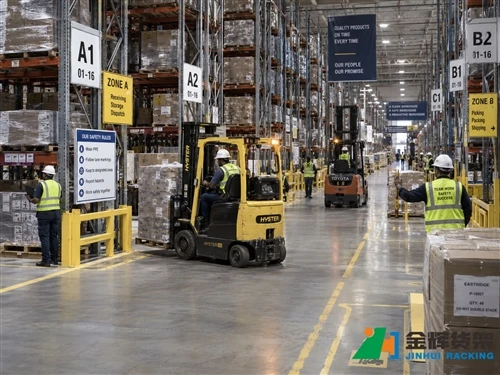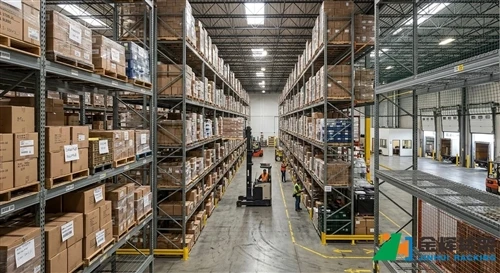
Selective pallet racking is one of the most commonly used warehouse storage systems because of its simple structure, flexible layout, and direct access to every pallet position. Understanding how selective pallet racking works helps businesses design more efficient warehouse operations and choose the right storage solution.
Unlike high-density storage systems that prioritize maximum storage density, selective pallet racking focuses on accessibility. Each pallet can be stored, located, and retrieved independently without moving other pallets in front of it.
This operating method makes selective pallet racking especially suitable for warehouses handling multiple SKUs, frequent inventory turnover, and different product categories.

How Does Selective Pallet Racking Work?
Selective pallet racking works by creating organized storage locations where pallets are placed on horizontal beams supported by vertical upright frames.
Each rack bay contains multiple storage levels. Forklifts travel through aisles between rack rows and directly access individual pallet locations.
The basic operating process includes:
- Pallet receiving and inspection.
- Assigning storage locations.
- Forklift transportation.
- Pallet placement on rack beams.
- Inventory retrieval during order fulfillment.
The Structure of a Selective Pallet Racking System
A selective pallet racking system consists of several important components that work together to create a safe and stable storage structure.
Upright Frames
Upright frames are the main vertical support components of the rack system. They determine the height, depth, and overall load-bearing capability of the structure.
Horizontal Beams
Horizontal beams connect the upright frames and support pallets at different storage levels. Beam selection depends on pallet dimensions, load weight, and warehouse requirements.
Pallet Support Components
Additional supports may be installed to improve pallet stability, especially when storing heavy loads or pallets with different bottom structures.
Safety Accessories
Warehouse operators can add various accessories to improve rack safety, including:
- Column protectors.
- Safety locks.
- Back mesh panels.
- Pallet supports.
- Rack guards.
How Pallets Are Stored in Selective Racking
In selective pallet racking, pallets are normally stored in single-depth configurations, allowing forklifts to access every pallet directly from the aisle.
A typical storage process is:
- The forklift approaches the assigned rack location.
- The operator lifts the pallet to the required height.
- The pallet is placed securely onto the rack beams.
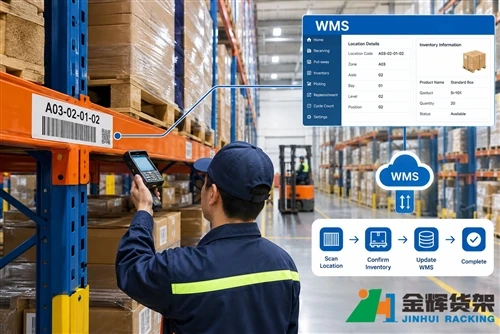
- The location information is updated in the warehouse management system.
This simple storage method improves inventory visibility and reduces unnecessary pallet movement.
Forklift Operation in Selective Pallet Racking
Forklifts are an essential part of selective pallet racking operations. The rack layout must be designed according to forklift type, turning radius, lifting height, and operational requirements.
Common forklift types used with selective pallet racking include:
- Counterbalance forklifts.
- Reach trucks.
- Electric pallet trucks.
- Narrow aisle forklifts.

Selective Pallet Racking Warehouse Layout Design
The warehouse layout has a direct impact on the efficiency of a selective pallet racking system. A well-planned layout ensures smooth forklift movement, maximizes available space, and improves overall storage performance.
When designing a selective pallet racking layout, warehouse managers should consider:
- Warehouse building dimensions.
- Available ceiling height.
- Forklift operating requirements.
- Pallet dimensions.
- Storage capacity targets.
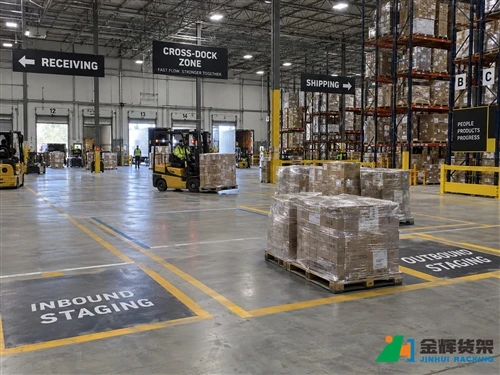
- Loading and unloading areas.
Rack Aisle Planning
Aisle width is one of the most important factors in selective pallet racking design. The required aisle space depends on the forklift type and operating method.
For example:
- Standard counterbalance forklifts require wider aisles.
- Reach trucks can operate in narrower aisles.
- Very narrow aisle forklifts allow higher storage density.
Proper aisle planning helps balance storage capacity and operational efficiency.
Storage Level Configuration
Selective pallet racking can be configured with multiple storage levels depending on warehouse height and product requirements.
Higher rack configurations allow warehouses to utilize vertical space more effectively, while lower configurations may provide easier manual access.
How Selective Pallet Racking Supports Inventory Management
One of the main reasons companies choose selective pallet racking is its ability to support efficient inventory management.
Because every pallet location is directly accessible, warehouses can easily organize products according to SKU, product category, or turnover rate.
FIFO Inventory Management
Selective pallet racking can support FIFO (First In, First Out) inventory management when warehouse operations are properly organized.
This is especially useful for industries that need regular stock rotation, including:
- Food and beverage.
- Consumer goods.
- Pharmaceutical products.
- Manufacturing materials.
Improved Inventory Visibility
Each pallet location in a selective pallet rack system can be clearly identified, allowing warehouse employees to locate products quickly.
Better inventory visibility helps reduce:
- Picking mistakes.
- Product searching time.
- Storage confusion.
- Inventory management costs.
How Selective Pallet Racking Improves Warehouse Efficiency
A properly designed selective pallet racking system can improve warehouse productivity in several ways.
Faster Loading and Unloading
Direct pallet access allows forklifts to quickly place and retrieve goods without moving surrounding inventory.
This reduces handling time and improves the efficiency of receiving and shipping operations.
Better Space Organization
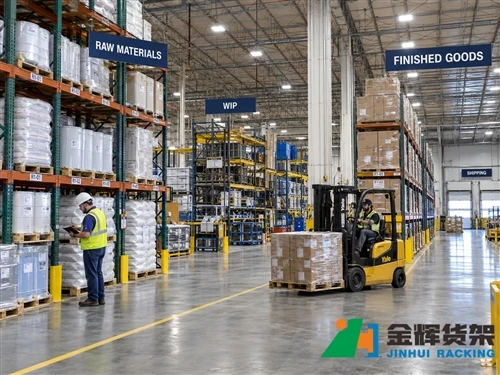
Selective pallet racking creates clearly defined storage zones, helping businesses organize inventory more effectively.
Products can be arranged according to:
- Product type.
- Storage frequency.
- Weight requirements.
- Shipping priority.
Flexible Warehouse Expansion
Because selective pallet racking uses modular components, businesses can easily add additional bays or modify layouts when storage requirements change.
This flexibility makes selective pallet racking suitable for growing companies that need adaptable warehouse solutions.
Selective Pallet Racking for Different Warehouse Operations
Distribution Centers
Distribution centers require fast product movement and efficient order fulfillment. Selective pallet racking allows operators to access individual pallets quickly, making it suitable for high-frequency warehouse operations.
Manufacturing Facilities
Manufacturers often use selective pallet racking to store raw materials, components, and finished products. The organized storage structure helps maintain efficient production workflows.
Related article:
Heavy Duty Pallet Racking for Manufacturing Facilities
Automotive Warehouses
Automotive suppliers typically manage thousands of different parts with different sizes and inventory cycles. Selective pallet racking provides organized storage and quick access for picking operations.
Related article:
Heavy Duty Pallet Racking for Automotive Parts Warehouses
Third-Party Logistics Warehouses
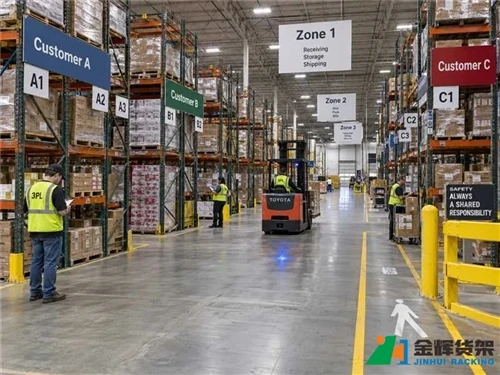
3PL companies require flexible storage systems because they handle products from different customers. Selective pallet racking allows storage locations to be easily assigned and adjusted according to customer requirements.
Why Businesses Choose Selective Pallet Racking Systems
Selective pallet racking remains one of the most popular warehouse storage choices because it provides a practical balance between accessibility, flexibility, and cost efficiency.
- Easy pallet access.
- Compatible with common forklifts.
- Suitable for many industries.
- Simple installation process.
- Expandable modular design.
- Efficient inventory management.
For warehouses where product accessibility is more important than maximum storage density, selective pallet racking is often the preferred solution.
Selective Pallet Racking Load Capacity Factors
The load capacity of a selective pallet racking system depends on multiple structural and operational factors. Proper capacity planning is essential to ensure warehouse safety and long-term performance.
Unlike simple shelving systems, industrial pallet racks are engineered structures that must consider pallet weight, rack dimensions, and warehouse operating conditions.
Pallet Weight Requirements
The weight of stored pallets is one of the most important factors when designing selective pallet racking. Rack beams and upright frames must be selected according to the maximum expected pallet load.
Warehouse operators should consider:
- Average pallet weight.
- Maximum pallet weight.
- Load distribution.
- Future inventory changes.
Rack Height and Configuration
The height of a selective pallet racking system directly affects its structural requirements. Taller racks require stronger upright frames and proper engineering calculations.
Factors affecting rack configuration include:
- Warehouse ceiling height.
- Number of storage levels.
- Forklift lifting capability.
- Building structure limitations.
Beam Selection
Horizontal beams support pallet loads and play an important role in overall rack capacity. Different beam profiles and sizes are selected according to pallet dimensions and weight requirements.
Warehouse Floor Conditions
The warehouse floor must provide sufficient strength and stability to support the rack structure and stored goods.
Professional rack suppliers usually evaluate floor conditions during the design stage to ensure safe installation.
Selective Pallet Racking Installation Requirements
Proper installation is essential for the safety and reliability of a selective pallet racking system. Even high-quality rack components require correct assembly and adjustment to perform effectively.
Professional Installation Process
A typical selective pallet racking installation process includes:
- Reviewing warehouse drawings and layout plans.
- Marking rack positions on the warehouse floor.
- Installing upright frames.
- Connecting horizontal beams.
- Adding safety accessories.
- Checking rack alignment and stability.
Rack Alignment Inspection
After installation, the rack structure should be inspected to ensure upright frames are vertical and beams are correctly positioned.
Proper alignment helps prevent uneven loading and improves the service life of the storage system.
Selective Pallet Racking Safety Considerations
Warehouse safety should always be a priority when using selective pallet racking systems. Regular inspections and proper operating procedures help reduce risks during daily warehouse activities.
Regular Rack Inspection
Warehouse operators should regularly inspect rack components for possible damage caused by forklift impacts or heavy usage.
Inspection items may include:
- Damaged upright frames.
- Bent beams.
- Missing safety pins.
- Loose connections.
- Damaged protection accessories.
Forklift Operation Safety
Forklift operators should receive proper training when working between selective pallet racking aisles. Careful operation helps prevent accidental damage to rack structures.
Use of Safety Accessories
Safety accessories can improve warehouse protection and reduce the risk of rack damage.
Common accessories include:
- Rack column protectors.
- End-of-aisle guards.
- Safety barriers.
- Wire mesh panels.
How to Maintain a Selective Pallet Racking System
Regular maintenance helps extend the service life of warehouse racking equipment and ensures safe daily operations.
Recommended maintenance practices include:
- Checking rack condition regularly.
- Replacing damaged components.
- Keeping aisles clear.
- Avoiding overload conditions.
- Training warehouse employees.
Selective Pallet Racking vs Other Storage Systems
Selective pallet racking is not always the best choice for every warehouse. Different storage systems are designed for different inventory requirements.
Selective Pallet Racking vs Drive-In Racking
Drive-in racking increases storage density by allowing forklifts to enter rack lanes, but it provides less direct access to individual pallets.
Selective pallet racking is better suited for warehouses requiring frequent pallet access and multiple product categories.
Related article:
Heavy Duty Selective Pallet Racking vs Drive-In Racking
Selective Pallet Racking vs Push Back Racking
Push back racking provides higher storage density by storing multiple pallets deep, while selective pallet racking provides easier access to every pallet location.
Selective Pallet Racking vs Pallet Flow Racking
Pallet flow racking is designed for FIFO inventory rotation using gravity roller systems, while selective pallet racking provides flexible storage access.
Conclusion
Selective pallet racking is one of the most practical and widely used warehouse storage systems because it provides direct pallet access, flexible configuration, and compatibility with common material handling equipment.
From manufacturing plants and distribution centers to logistics warehouses, selective pallet racking helps businesses improve inventory organization and warehouse efficiency.
By selecting the correct rack design, load capacity, and layout configuration, companies can create a safe and efficient storage environment that supports long-term growth.
Customized Selective Pallet Racking Solutions from JINHUI Rack
JINHUI Rack provides customized selective pallet racking systems designed for warehouses, factories, logistics centers, and industrial storage applications.
With professional engineering support, manufacturing capabilities, and warehouse planning experience, we help customers optimize storage space and select the right racking solution for their operations.
Explore our warehouse storage solutions and learn more about our pallet racking systems.
Welcome to JINHUI Rack! As your trusted warehouse storage expert, we provide customized pallet racking solutions based on your storage needs. Contact us for professional support.
WhatsApp:
+8618502527163
Email:
info@jhrack.com