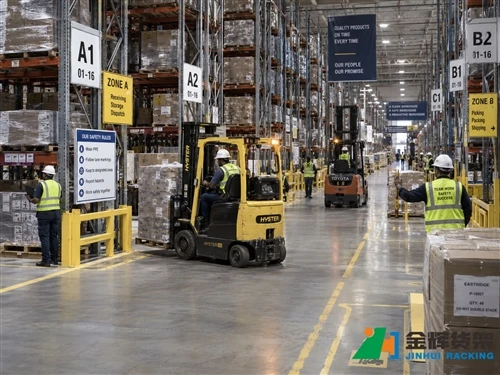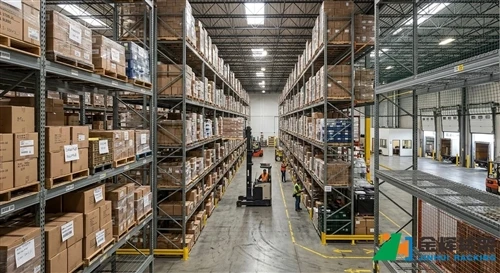
Cold storage warehouses have unique requirements that make pallet racking design more challenging than standard warehouse applications. Extreme temperatures, humidity control, product turnover, and strict operational requirements all influence the selection of a suitable storage system.
Heavy duty pallet racking is widely used in cold chain facilities because it provides reliable pallet storage capacity while supporting efficient inventory management. However, a successful cold storage rack project requires more than simply installing standard warehouse racks inside a refrigerated environment.
The rack structure, layout, materials, accessories, and operating conditions should all be carefully considered to ensure long-term performance and safe warehouse operations.

Why Cold Storage Warehouses Need Specialized Rack Design
Cold storage facilities often operate under conditions that are very different from normal warehouses. Low temperatures, condensation, frequent loading activities, and strict product handling requirements can affect storage equipment selection.
A properly designed cold storage pallet racking system should consider:
- Temperature conditions.
- Humidity and condensation control.
- Product storage requirements.
- Forklift operating environment.
- Food safety or industry regulations.
- Long-term equipment durability.
Choosing a suitable rack design helps maintain storage efficiency while reducing maintenance issues caused by unsuitable equipment selection.
Heavy Duty Pallet Racking Applications in Cold Storage
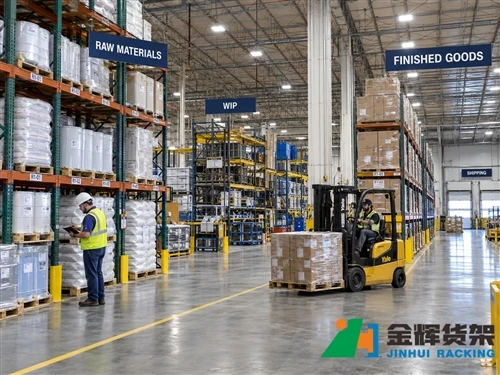
Heavy duty pallet racking is commonly used in temperature-controlled warehouses where large quantities of palletized products need organized storage.
Typical applications include:
- Frozen food warehouses.
- Meat and seafood storage facilities.
- Pharmaceutical cold chain warehouses.
- Dairy product storage.
- Distribution centers.
These facilities usually require high-density storage because refrigerated warehouse space is expensive to operate. Maximizing available storage volume is therefore an important part of rack planning.
Cold Storage Rack Design Considerations
1. Rack Material and Surface Protection
Material selection is an important consideration for cold storage environments. Temperature changes and moisture exposure can create different challenges compared with standard indoor warehouses.
The rack structure should be selected according to the actual operating environment, expected service life, and storage conditions.
Factors to consider include:
- Steel quality.
- Surface coating requirements.
- Resistance to warehouse conditions.
- Maintenance expectations.
2. Load Capacity Requirements
Cold storage warehouses often handle heavy pallet loads, especially in food distribution and industrial applications. The rack system must be designed according to the actual weight of stored goods.
Load calculations should consider:
- Individual pallet weight.
- Number of pallets per level.
- Total bay loading.
- Storage height.
- Daily handling frequency.
Understanding pallet load requirements during the design stage helps prevent overloading and improves warehouse safety.
For more information about rack capacity planning, see our guide: How Much Weight Can a Heavy Duty Selective Pallet Rack Hold?
Optimizing Storage Density in Cold Chain Warehouses
Because refrigeration costs can be significant, cold storage facilities usually focus on maximizing available space.
A well-designed heavy duty pallet racking system can improve vertical storage utilization and help businesses store more inventory within the same building area.
Common approaches include:
- Increasing rack height where suitable.
- Optimizing pallet positions.
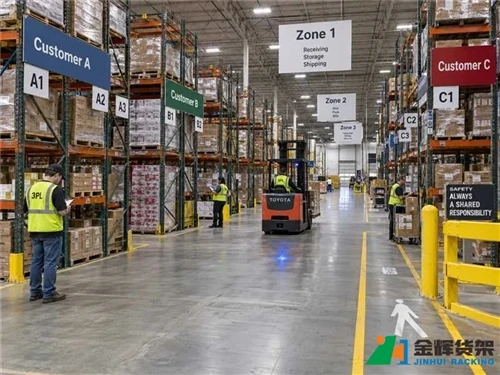
- Planning efficient aisle layouts.
- Selecting appropriate rack configurations.
However, increasing storage density should always be balanced with accessibility and safe material handling operations.
Inventory Management Requirements in Cold Storage Warehouses
Cold storage warehouses often handle products with strict inventory control requirements. Unlike general warehouses, many temperature-controlled facilities need careful product rotation to maintain quality and reduce waste.
The rack design should support efficient inventory management methods such as FIFO (First In, First Out) or other product rotation strategies.
When planning a cold storage pallet racking system, businesses should consider:
- Product storage duration.
- Loading and picking frequency.
- Inventory turnover speed.
- Access requirements for different products.
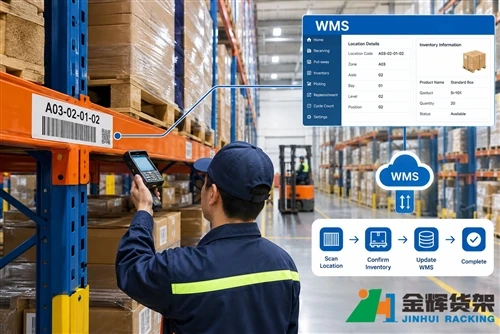
- Warehouse management procedures.
A suitable rack configuration can help operators quickly locate products while maintaining efficient cold chain operations.
Forklift Operation Considerations in Cold Storage Facilities
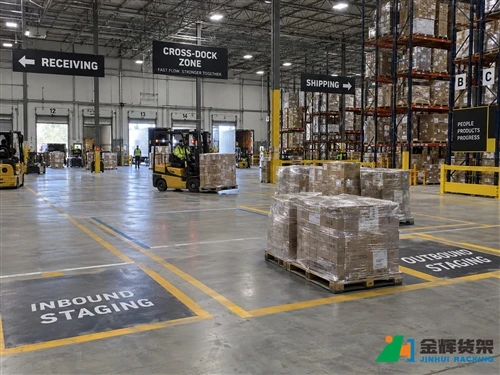
Material handling equipment plays an important role in cold storage warehouse efficiency. Forklifts used in refrigerated environments must operate safely while handling pallet loads between rack aisles.
The rack layout should consider:
- Forklift turning space.
- Aisle width requirements.
- Operator visibility.
- Pallet access frequency.
- Traffic flow direction.
An optimized layout reduces unnecessary forklift movement and helps improve warehouse productivity.
At the same time, rack positioning should avoid creating narrow operating areas that increase the risk of pallet impact or equipment damage.
Safety Accessories for Cold Storage Pallet Racking
Safety accessories are especially important in cold storage environments because visibility conditions, protective clothing, and operating conditions may affect daily warehouse activities.
Common accessories include:
- Rack upright protectors.
- End-of-row protection barriers.
- Wire mesh decking.
- Pallet support bars.
- Safety guards.
These components can help protect rack structures from accidental impact and improve overall warehouse safety.
Different cold storage applications may require different accessory combinations. For example, warehouses with frequent forklift movement may need stronger protection systems, while facilities handling various pallet sizes may benefit from additional support components.
Learn more about storage rack accessories in our detailed guide: Heavy Duty Pallet Rack Accessories Essential Guide
Heavy Duty Pallet Racking vs Other Cold Storage Solutions
Heavy duty pallet racking is not the only storage option available for cold chain warehouses. Depending on storage requirements, businesses may also consider high-density systems such as drive-in racking or other specialized solutions.
Selective pallet racking remains popular because it provides direct access to every pallet position, making it suitable for warehouses with a wide variety of products and frequent inventory movement.
High-density systems may increase storage capacity but usually involve different operating methods and inventory management approaches.
The most suitable solution depends on:
- Required storage density.
- Product variety.
- Inventory rotation method.
- Available warehouse space.
- Forklift operation requirements.
Common Mistakes When Designing Cold Storage Pallet Racking
Cold storage projects require careful planning. Some common design mistakes can reduce efficiency or create unnecessary operational problems.
Ignoring Temperature and Environmental Conditions
Using a standard warehouse approach without considering cold storage conditions may result in unsuitable material selection or insufficient planning for the operating environment.
Overlooking Product Handling Requirements
Some warehouses focus only on storage capacity but ignore how frequently products need to be accessed.
A rack layout should support daily warehouse operations, not only maximize the number of pallet positions.
Insufficient Safety Planning
Cold storage environments may involve limited visibility, protective clothing, and busy forklift operations. Safety equipment and proper aisle planning should be included during the design stage.
Not Planning for Future Growth
Cold chain businesses often expand as product demand increases. A flexible rack design allows additional storage capacity to be added more easily in the future.
How Professional Rack Manufacturers Support Cold Storage Projects
A professional pallet rack manufacturer can help businesses develop a storage solution based on warehouse conditions, product requirements, and operational goals.
Technical support may include:
- Warehouse layout planning.
- Rack configuration recommendations.
- Load capacity calculations.
- Safety accessory selection.
- Production and delivery coordination.
Working with an experienced supplier is especially important for cold storage projects because the rack system must work reliably under demanding operating conditions.
For guidance on selecting a suitable rack supplier, read: How to Choose a Reliable Heavy Duty Pallet Rack Manufacturer
Frequently Asked Questions
Can heavy duty pallet racks be used in freezer warehouses?
Yes. Heavy duty pallet racking is widely used in freezer warehouses and cold storage facilities. However, the design should consider temperature conditions, product requirements, and operating environment.
What type of pallet rack is best for cold storage?
The best solution depends on product type, storage density requirements, inventory rotation, and warehouse operations. Selective pallet racking is commonly used because it provides direct pallet access.
How can cold storage warehouses maximize rack capacity?
Capacity can be improved through proper layout planning, vertical space utilization, suitable rack configurations, and efficient aisle design.
Are pallet rack accessories important in cold storage?
Yes. Accessories such as upright protectors, decking, and safety barriers can improve rack protection and support safer warehouse operations.
What information is needed for a cold storage rack quotation?
Important information includes warehouse dimensions, temperature conditions, pallet size, pallet weight, required storage quantity, forklift type, and inventory management requirements.
Conclusion
Designing a heavy duty pallet racking system for a cold storage warehouse requires careful consideration of more than storage capacity alone. Temperature conditions, inventory management, forklift operation, safety requirements, and future expansion plans all influence the final solution.
A properly designed cold storage rack system can help businesses improve space utilization, maintain efficient operations, and support reliable cold chain management.
By working with an experienced rack manufacturer, companies can develop a storage solution that matches their specific warehouse conditions and long-term operational goals.
Customized Cold Storage Pallet Racking Solutions from Jinhui Rack
Jinhui Rack provides customized heavy duty pallet racking solutions for cold storage warehouses, food distribution centers, logistics facilities, and industrial applications.
Our team can help analyze warehouse space, pallet requirements, storage capacity, and operational conditions to develop a suitable rack configuration.
Explore our Heavy Duty Selective Pallet Racking System for more information about our warehouse storage solutions.
WhatsApp
+8618502527163
Email
info@jhrack.com