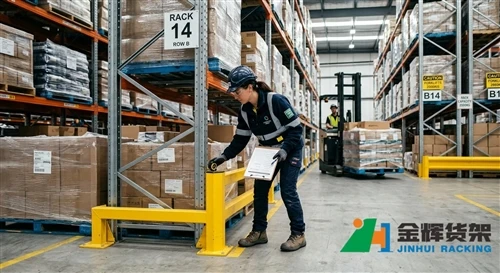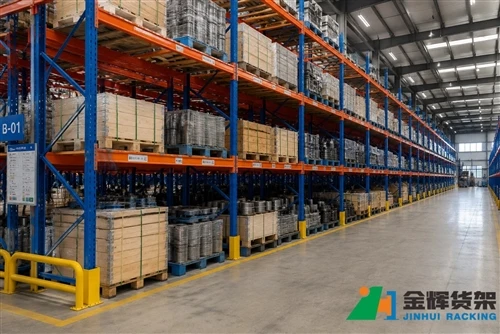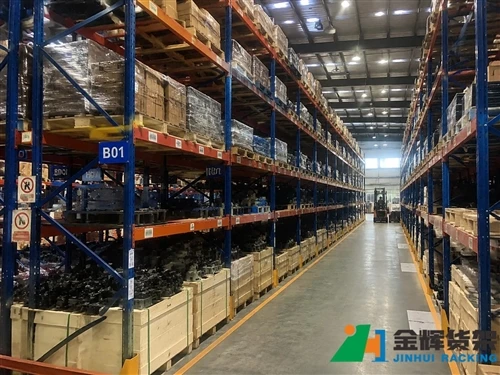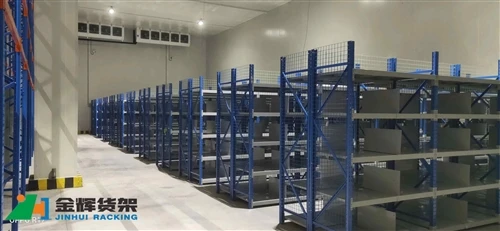
A well-designed warehouse racking system can significantly improve storage capacity, operational efficiency, and inventory management. However, many warehouses still experience low space utilization, inefficient workflows, and unnecessary operating costs due to poor racking design decisions.
Choosing the right storage system is not only about purchasing racks. It requires professional planning based on warehouse layout, product characteristics, handling equipment, and future development needs.
1. Choosing a Racking System Without Considering Warehouse Requirements
One of the biggest mistakes is selecting a warehouse racking system without analyzing actual storage requirements.
Different warehouses have different needs. For example, a manufacturing facility may require heavy load capacity, while an e-commerce warehouse may focus on fast picking and flexible storage.
Before choosing a racking system, companies should consider:
- Product type and pallet size
- Storage quantity
- Inventory turnover rate
- Forklift operation requirements
- Available warehouse height
A professional warehouse planning process helps avoid unsuitable solutions and improves long-term storage performance.
For different industries and applications, you can refer to our guide: How to Choose the Right Warehouse Racking System for Different Industries
2. Not Utilizing Vertical Warehouse Space
Many warehouses only use floor space and ignore the available vertical height, resulting in significant storage capacity waste.

Modern warehouse storage solutions are designed to maximize vertical space through multi-level and high-density systems.
Common solutions include:
- Mezzanine Rack Systems
- High-rise pallet racking
- Automated storage systems
By using vertical space effectively, warehouses can increase storage capacity without expanding the building area.
3. Ignoring Warehouse Traffic Flow
Poor traffic planning is another common warehouse design problem. Improper aisle layout can increase forklift travel distance, reduce productivity, and create safety risks.

A good warehouse layout should consider:
- Material receiving area
- Storage locations
- Picking routes
- Shipping area
- Forklift movement paths
Optimized rack placement helps reduce unnecessary movement and improves warehouse operation efficiency.
4. Using Low-Density Storage Solutions for High-Volume Products
Some warehouses store large quantities of similar products but still use traditional layouts with excessive aisles, which wastes valuable space.
For high-volume inventory, high-density storage solutions may provide better performance.
These systems reduce unnecessary aisle space and increase pallet storage positions, making them suitable for cold storage, food warehouses, and large distribution centers.
5. Ignoring Future Warehouse Expansion
A warehouse may meet current storage requirements but become inefficient as business growth increases.
A flexible racking design should consider future expansion possibilities, including:
- Additional storage levels
- Increased inventory volume
- New handling equipment
- Automation upgrades
Modular racking systems allow warehouses to adjust layouts according to changing business requirements.
6. Focusing Only on Initial Cost Instead of Long-Term Value
Some buyers choose the lowest-cost racking solution without considering durability, safety, and operating efficiency.
A cheaper system may lead to:
- Higher maintenance costs
- Shorter service life
- Lower storage efficiency
- More operational problems
A reliable warehouse racking solution should balance investment cost, safety performance, and long-term operational benefits.
7. Lack of Professional Warehouse Layout Design
Warehouse racking is not simply a collection of steel structures. Proper design requires engineering calculations and experience.

Professional warehouse planning should include:
- Rack layout drawings
- Load calculation
- Storage capacity analysis
- Forklift aisle planning
- Safety considerations
Working with an experienced warehouse racking manufacturer can help avoid costly design mistakes.
How JINHUI Helps Optimize Warehouse Storage Design
JINHUI RACK provides customized warehouse storage solutions based on each customer's warehouse conditions and operational requirements.
Our engineering team supports customers with:
- Warehouse layout planning
- Customized racking design
- Storage capacity optimization
- Professional manufacturing
- Technical support
With more than 20 years of experience in warehouse storage equipment manufacturing, JINHUI helps global customers build safer and more efficient warehouses.
Conclusion
Warehouse racking design directly affects storage efficiency, operating costs, and future expansion capability.
Avoiding common design mistakes and selecting the right storage solution can help companies maximize warehouse space utilization and improve overall productivity.
Whether you need pallet storage, high-density racking, or automated warehouse solutions, professional planning is the key to creating an efficient storage environment.
Need a Customized Warehouse Racking Solution?
Tell us your warehouse size, storage requirements, and product information. Our engineering team will provide a customized storage solution to improve your warehouse efficiency.
Get your warehouse layout design and quotation today.
Email: info@jhrack.com
WhatsApp: +86 18502527163