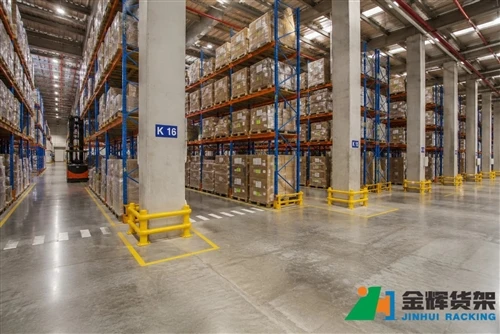
Why Pallet Racking Safety Matters
Pallet racking systems are designed to support heavy loads at height. When safety standards are ignored, even a small issue can lead to serious accidents, product damage, or operational downtime.
Understanding how racking systems function is the first step toward improving safety. If you are new to the topic, refer to our pallet racking system overview.

Most Common Pallet Racking Safety Risks
1. Overloading the Racking System
Exceeding load capacity is one of the leading causes of rack failure. Each beam and upright has a specific weight limit that must be strictly followed.
You can review detailed load calculations in our load capacity guide.
2. Forklift Impact Damage
Forklifts frequently collide with rack uprights, especially in narrow aisles. Even minor impacts can weaken structural integrity over time.
3. Improper Installation
Incorrect assembly, missing anchors, or uneven floors can cause instability and increase collapse risk.
4. Poor Pallet Quality
Damaged or low-quality pallets can break under load, causing products to fall.
5. Lack of Regular Inspection
Without routine inspection, small issues like bent frames or loose bolts can go unnoticed and become serious hazards.
OSHA Guidelines for Pallet Racking Safety
While OSHA does not provide a single standard specifically for pallet racking, several general safety regulations apply:
- Ensure all racks are properly anchored to the floor
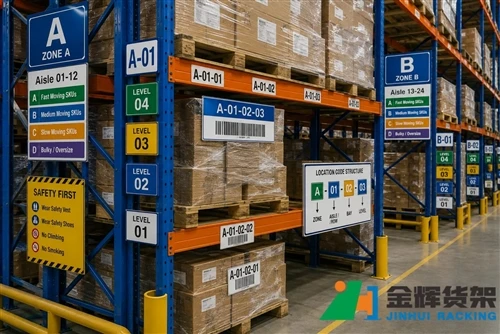
- Clearly display load capacity labels
- Maintain safe forklift operation zones
- Conduct regular safety inspections
Compliance with these guidelines helps reduce liability and improve workplace safety.
Essential Safety Components for Racking Systems
- Column Protectors: Prevent forklift impact damage
- Wire Decking: Improve load stability
- Safety Bars: Support pallets and prevent falling
- Rack Guards: Protect end-of-aisle structures
Best Practices to Prevent Warehouse Accidents
1. Train Forklift Operators
Proper training reduces collision risks and improves handling efficiency.
2. Implement Routine Inspections
Schedule weekly visual checks and annual professional inspections.
3. Use the Right Racking System
Choosing the wrong system can increase handling risks. Learn how to select the right system in our racking selection guide.
4. Keep Aisles Clear
Obstructions increase the likelihood of accidents and reduce operational efficiency.
Inspection Checklist for Warehouse Managers
- Check for bent or damaged uprights
- Inspect beam connections
- Verify load labels are visible
- Ensure anchors are secure
- Look for signs of corrosion or wear
Conclusion
Pallet racking safety is not just about compliance-it is about protecting your workforce, inventory, and business operations.
By understanding common risks and implementing proper safety measures, you can significantly reduce accidents and improve warehouse efficiency.
Need a Safer Racking Solution?
Our experts can help you design a safer and more efficient warehouse storage system tailored to your needs.