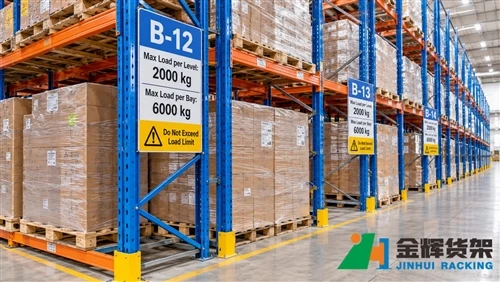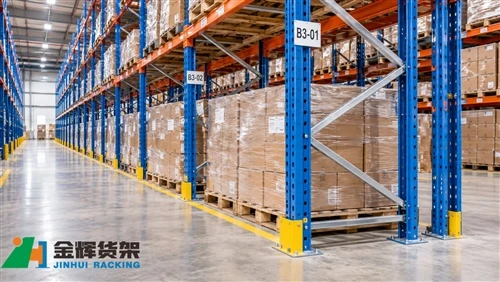
Step 1: Analyze Your Warehouse Layout and Space Constraints
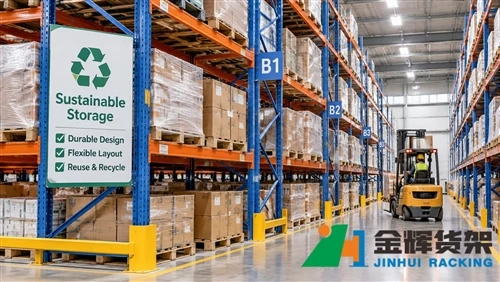
The first step in choosing a pallet racking system is understanding your warehouse structure. This includes floor area, ceiling height, column spacing, and aisle width.

For example, warehouses with limited floor space but high ceilings often benefit from high-density storage systems. If you are still evaluating standard configurations, you can explore our pallet racking systems to understand basic layouts.
Step 2: Understand Your Inventory Structure
Your inventory profile plays a critical role in determining the right racking system.
- High SKU diversity: requires selective access
- Large volume of similar goods: suitable for high-density storage
- Fast turnover: requires efficient picking systems
Choosing the wrong system can lead to inefficient picking, wasted space, or inventory management issues.
Step 3: Balance Storage Density and Accessibility
One of the most important trade-offs in warehouse design is between storage density and accessibility.
- Selective racking offers full accessibility but lower storage density
- Double deep or drive-in systems increase density but reduce access speed
In practice, many warehouses combine different systems to achieve both efficiency and capacity optimization.
Step 4: Evaluate Equipment and Operational Efficiency
Your choice of racking system must align with your available equipment, especially forklifts.
- Standard forklifts → selective racking
- Reach trucks → double deep racking
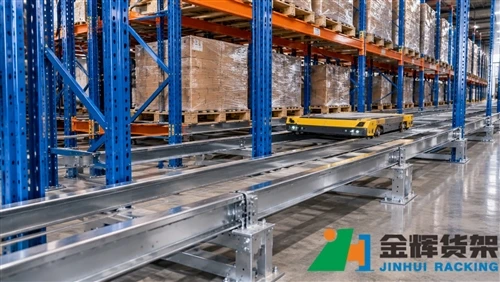
- Automated systems → shuttle racking
For advanced automation and higher efficiency, you may also consider radio shuttle racking systems, which reduce manual handling and improve throughput.
Step 5: Consider Load Capacity and Safety Requirements
Load capacity is not just about how much weight your racks can hold-it also affects safety and long-term durability.
- Beam load capacity
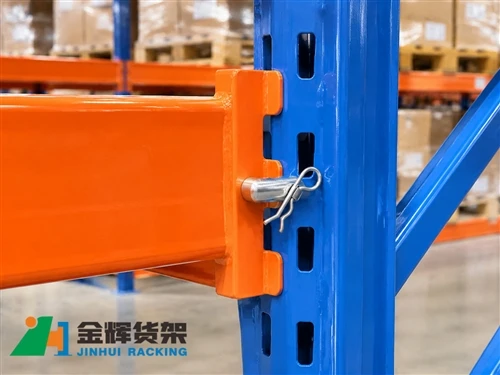
- Frame strength
- Floor load limitations
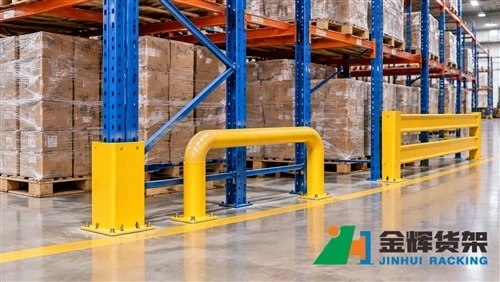
Always ensure your racking system complies with industry safety standards and is designed for your specific load requirements.
Step 6: Plan for Scalability and Future Growth
A well-designed warehouse system should be flexible enough to adapt to future business growth.
Modular racking systems allow you to expand or reconfigure layouts as your storage needs evolve.
Common Mistakes to Avoid
- Choosing based on price alone
- Ignoring forklift compatibility
- Overlooking future expansion
- Not considering inventory turnover
Conclusion
Choosing the right pallet racking system is a strategic decision that requires balancing space, efficiency, cost, and flexibility.
The most effective solution is always tailored to your specific warehouse operation rather than using a one-size-fits-all approach.
Get a Professional Storage Solution
Still unsure which system is right for your warehouse? Our team can provide a customized design based on your layout and storage needs.