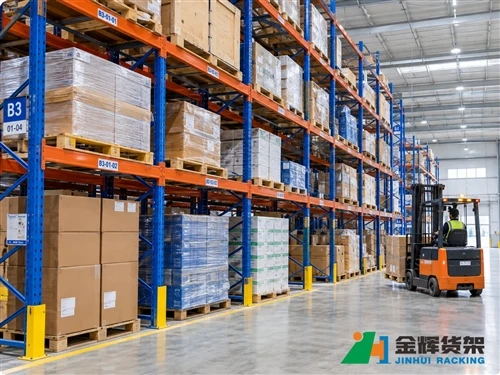
What Are Pallet Rack Load Capacity Signs?
Pallet rack load capacity signs are permanent or clearly visible labels that communicate the approved loading limits of a warehouse racking system. They help warehouse operators, forklift drivers, and supervisors understand how much weight the rack is designed to support.
A load capacity sign should not be treated as a simple warehouse label. It is part of the rack management process because the permitted load depends on the actual rack configuration, including beam type, beam length, upright frame, storage levels, pallet arrangement, and design conditions.
For this reason, the information shown on the sign should match the approved rack design and should be updated whenever the rack configuration is changed.
Quick answer: A pallet rack load capacity sign should clearly identify the applicable maximum load information for the rack configuration, be easy for operators to see, and remain consistent with the manufacturer's engineering information and local safety requirements.

Why Pallet Rack Load Capacity Signs Matter
Warehouse racks are often used by multiple employees and forklift operators across different shifts. Without clear load information, operators may rely on assumptions when deciding how much material can be stored on a beam level.
A visible capacity sign helps reduce this uncertainty. It provides an immediate reference for the approved rack loading configuration and supports better warehouse safety management.
Load signage is particularly important when a warehouse contains several rack configurations. Different beam spans, storage levels, or pallet arrangements can result in different allowable loads.
What Information Should a Pallet Rack Capacity Sign Display?
The exact information depends on the rack design and applicable requirements, but a useful pallet rack capacity sign should communicate the loading limits that operators need to understand.
| Information | Purpose |
|---|---|
| Maximum permissible load per level | Shows the approved load limit for the applicable storage level. |
| Maximum unit load | Indicates the maximum weight permitted for an individual pallet or storage unit when applicable. |
| Maximum total load per bay | Helps operators understand the overall loading limitation for a complete rack bay. |
| Rack configuration reference | Helps identify which rack arrangement the capacity information applies to. |
| Manufacturer or supplier information | Provides a reference for technical questions, modifications, or replacement components. |
| Project or identification information | Can help warehouse personnel match the sign with rack drawings or project documentation. |
For U.S. projects, warehouse operators should also verify the applicable OSHA requirements and the relevant rack design standard for the specific installation. Requirements can differ by country, facility type, rack system, and local regulations.
Where Should Rack Capacity Signs Be Installed?
The sign should be placed where warehouse personnel can easily see and read it during normal operations. A common approach is to position capacity information at the end of a rack row or another conspicuous location where operators can reference it before loading the system.
For large warehouses, one sign may not be sufficient if different rack areas have different configurations. Capacity information should be provided in locations where operators can reliably identify the limits that apply to the rack they are using.
The sign should not be hidden behind pallets, stored products, equipment, or other warehouse materials.
Load Signs Must Match the Actual Rack Configuration
One of the most important rules for rack capacity signage is simple: the sign must describe the rack as it is actually configured.
For example, changing a rack from a two-pallet beam configuration to a different pallet arrangement may change the loading condition. Similarly, replacing beams with a different length or capacity, adding storage levels, changing beam elevations, or modifying the pallet support arrangement can affect the approved design.
This is why a warehouse should not simply copy an old capacity sign onto a modified rack.
Before changing the rack configuration, review the approved engineering information and confirm that the new configuration is suitable. If the change affects structural loading, the rack supplier or qualified rack design professional should evaluate it.
How Rack Capacity Signs Help Prevent Overloading
A good capacity sign supports a simple operational control process:
- Identify the rack bay and storage level.
- Check the capacity information before loading.
- Confirm the pallet weight and loading arrangement.
- Make sure the planned load is within the approved limit.
- Report unclear, missing, or damaged signage before continuing normal operation.
Warehouse supervisors can also include capacity-sign checks in routine rack inspections. This is especially useful after rack modifications, relocation, repairs, or changes to stored products.
For a broader structural review, see our guide on how to determine pallet rack load capacity.
What Happens If a Rack Capacity Sign Is Missing?
A missing capacity sign does not mean that the rack has unlimited capacity. It means the operator may not have reliable information about the approved loading condition.
When the rated load information is unavailable, warehouse management should avoid guessing the capacity. Instead, check the original rack drawings, manufacturer documentation, project records, or contact the rack supplier for confirmation.
This is particularly important for older rack systems where beams, uprights, decking, or storage levels may have been changed over time.
When Should a Pallet Rack Load Sign Be Updated?
A capacity sign should be reviewed whenever the rack configuration or approved loading conditions change.
| Change | Should Capacity Information Be Reviewed? |
|---|---|
| Beam replacement with a different specification | Yes |
| Changing beam length | Yes |
| Adding or removing storage levels | Yes |
| Changing pallet size or loading arrangement | Yes |
| Changing rack configuration | Yes |
| Moving racks to another warehouse area | Yes |
| Structural damage or major repair | Yes |
| Changing the approved design load | Yes |
A new sign should only be produced after the applicable loading information has been confirmed. Printing a new label with an assumed capacity can create a more serious safety problem than having no label at all.
Capacity Signs and Damaged Pallet Racks
Capacity signage should not be used to justify continued operation of a visibly damaged rack.
If a beam, upright, connector, brace, or other structural component has been damaged, the affected area should be evaluated according to the warehouse's safety procedure and the applicable rack design requirements.
Our article Pallet Rack Beam Deflection: Causes, Limits, and What Warehouse Managers Should Do explains why visible beam deformation should be evaluated rather than ignored.
For a wider inspection process, see our pallet racking safety inspection checklist.
Common Pallet Rack Capacity Sign Mistakes
1. Using One Sign for Different Rack Configurations
A warehouse may contain racks that look similar but have different beam lengths, levels, or load ratings. A single generic sign may therefore provide misleading information.
2. Keeping Old Signs After Rack Modifications
When beams or storage levels are changed, the original capacity information may no longer apply. The rack configuration should be reviewed before continuing normal loading.
3. Using a Sign With an Assumed Load Rating
Capacity should come from the approved rack design or qualified engineering information. It should not be estimated from beam appearance, steel thickness, or the capacity of a similar-looking rack.
4. Placing Signs Where Operators Cannot See Them
A technically correct sign is not useful if pallets or equipment block it. Capacity information should remain visible during normal warehouse operations.
5. Ignoring Pallet and Load Configuration
The permitted rack load depends on the designed storage arrangement. Warehouse personnel should not assume that any pallet configuration can be placed on the rack simply because the total weight appears to be below a number shown elsewhere.
How to Manage Pallet Rack Capacity Information
A practical warehouse rack management system should connect the physical capacity sign with the technical information behind it.
- Keep rack drawings and specifications: Maintain the original rack configuration and loading information.
- Identify rack zones: Make it clear which capacity information applies to each rack area.
- Control modifications: Do not allow unauthorized beam, level, or component changes.
- Inspect regularly: Check rack components and signage as part of the warehouse inspection process.
- Update information: Replace outdated or damaged capacity signs after an approved configuration change.
- Train operators: Make sure forklift drivers and warehouse staff understand how to read and follow rack load limits.
Choosing a Pallet Racking System With Clear Load Requirements
Capacity signage is only one part of a properly engineered pallet racking system. The rack itself should be designed around the actual pallet dimensions, maximum pallet weight, beam configuration, storage height, forklift type, and warehouse layout.
For warehouses requiring flexible access to individual pallets, JINHUI Selective Pallet Racking Systems can be configured according to pallet dimensions, load requirements, storage levels, and warehouse conditions.
For heavier industrial applications, see our Industrial Heavy Duty Pallet Racks, which are designed according to actual load requirements and project conditions.
You can also review our Warehouse Pallet Rack Solutions for different warehouse storage applications and system configurations.
Pallet Rack Load Capacity Sign Checklist
| Check Item | What to Verify |
|---|---|
| Visibility | The sign can be easily seen by warehouse operators. |
| Legibility | Numbers and loading information remain clear and readable. |
| Load information | The displayed capacity matches the approved rack configuration. |
| Rack configuration | Beam levels, spans, pallet arrangement, and other relevant conditions match the design. |
| Modification history | No unauthorized changes have invalidated the capacity information. |
| Physical condition | The sign is securely attached and not damaged or missing. |
| Documentation | Supporting rack drawings and technical information are available when required. |
Frequently Asked Questions
Are pallet rack load capacity signs necessary?
Capacity signage is an important part of rack safety management, and some jurisdictions or applicable standards may require specific information to be displayed. Always verify the requirements applicable to the warehouse location and rack system.
What should a pallet rack capacity sign show?
It should clearly communicate the applicable approved loading limits, such as maximum permissible unit load, load per level, and maximum total load per bay when relevant to the rack design.
Can I calculate rack capacity from the beam size?
No. Beam dimensions alone are not sufficient to determine the complete rack capacity. Rack capacity depends on the complete structural configuration and design conditions.
Do rack capacity signs need to be updated after modifications?
Yes. Any modification that may affect the approved loading configuration should be reviewed before the rack is returned to normal service, and the displayed capacity information should be updated when necessary.
What should I do if the capacity sign is missing?
Do not guess the rack capacity. Check the original engineering documents, rack drawings, manufacturer information, or contact a qualified rack supplier or design professional for confirmation.
Conclusion
Pallet rack load capacity signs provide warehouse operators with a clear reference for the approved loading limits of a racking system. The most important point is not simply installing a sign, but making sure the information on the sign matches the actual rack configuration and approved design.
For safe warehouse operation, capacity signage should be combined with proper rack design, controlled modifications, regular inspections, operator training, and accurate technical documentation.
If you are planning a new pallet racking system or need to review the loading requirements of an existing warehouse, JINHUI RACK can help evaluate pallet dimensions, load requirements, rack configuration, and storage conditions to develop a suitable solution.
Need a customized pallet racking solution?
WhatsApp: +86 185 0252 7163
Email: info@jhrack.com
Website: https://www.jinhui-rack.com/