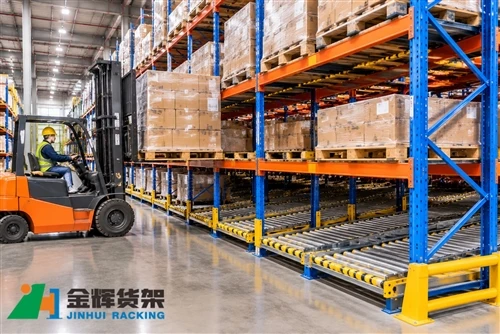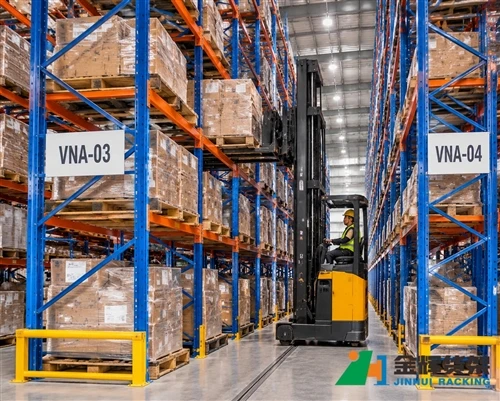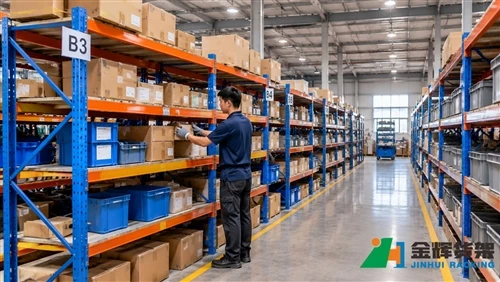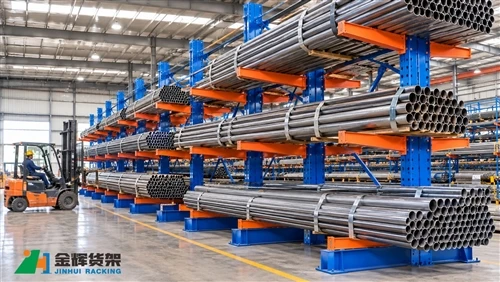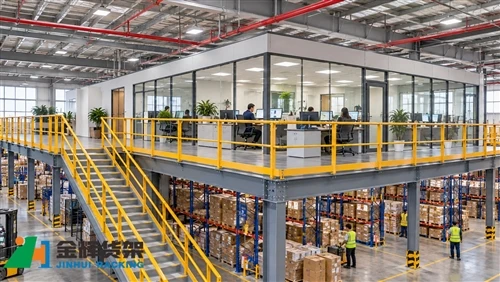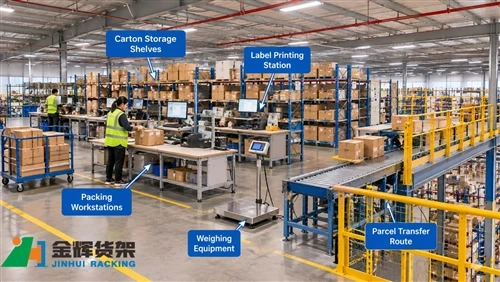
Warehouses operating two or three shifts have different storage requirements from facilities that operate only during daytime hours. When receiving, put-away, replenishment, picking, and shipping continue across multiple shifts, the pallet racking system needs to support a continuous workflow rather than a single daily operating cycle.
In a multi-shift warehouse, the same rack locations may be accessed by different teams throughout the day. Without clear storage zones, location rules, and handover procedures, this can lead to misplaced pallets, incomplete replenishment, unnecessary forklift travel, and picking delays.
A well-organized pallet racking system can provide a consistent physical structure for these operations. This article explains how to organize rack locations and warehouse workflows for multi-shift operations.
Why Multi-Shift Warehouses Need a Different Storage Approach
A single-shift warehouse may have long periods when inventory is not being moved. In a multi-shift facility, however, storage locations can remain active for much longer periods.
One shift may receive incoming pallets while another shift performs picking, and a later shift may replenish forward locations or prepare orders for the next dispatch window. This creates more interactions between storage, material handling, and order fulfillment.
The physical rack layout does not necessarily need to change because a warehouse operates multiple shifts. What needs to change is how the available rack positions are organized and how teams use them.
Key considerations include:
- Which products are accessed during each shift
- Which rack locations are used for replenishment
- Where temporary pallets can be placed
- How shift handovers are recorded
- How forklift traffic is controlled
- How picking and put-away activities are coordinated
Divide Pallet Rack Locations Into Functional Zones
One of the simplest ways to make a multi-shift warehouse easier to operate is to divide rack locations into functional zones.
Instead of treating every pallet position as identical, the warehouse can define areas for reserve storage, active picking inventory, replenishment stock, incoming goods, and temporary operational use.
| Storage Zone | Typical Purpose | Multi-Shift Consideration |
|---|---|---|
| Reserve storage | Longer-term pallet inventory | Access mainly for replenishment or bulk movement |
| Active picking zone | Frequently accessed inventory | Should remain easy to identify and replenish |
| Replenishment zone | Stock waiting for movement to picking locations | Requires clear ownership and location rules |
| Receiving zone | Newly arrived inventory | Should not become uncontrolled long-term storage |
| Dispatch or staging zone | Orders prepared for shipment | Needs clear separation from normal rack storage |
This type of zoning creates a more predictable workflow when different teams take over the warehouse at different times.
Use Consistent Rack Location Identification
When several shifts use the same warehouse, location identification becomes especially important. A location that is obvious to one operator may not be equally obvious to another.
Each rack row, bay, level, and pallet position should follow a consistent naming structure. The same location code should appear in the warehouse management system, inventory records, labels, and operating instructions.
For example, a location structure could identify the rack row first, followed by the bay and storage level. The exact format can vary, but it should remain consistent throughout the facility.
Clear location identification helps the next shift understand where inventory has been placed without relying on verbal explanations from the previous team.
Separate Reserve Storage From Active Picking Locations
Multi-shift operations can become inefficient when reserve pallets and active picking inventory are mixed without a clear rule.
A practical approach is to use selected rack positions for reserve inventory and other accessible positions for products that are picked frequently. This creates a defined relationship between bulk storage and daily order fulfillment.
For warehouses with many SKUs, selective pallet racking can be useful because each pallet position can be accessed independently. Jinhui's selective pallet rack systems are configurable according to pallet dimensions, load requirements, forklift operation, and storage requirements.
This type of direct access can be particularly useful when different shifts need to retrieve different SKUs without moving surrounding pallets.
Plan Replenishment Around Shift Changes
Replenishment is one of the activities most likely to create unnecessary work when shift responsibilities are not clearly defined.
For example, one shift may identify that a picking location is nearly empty but leave the actual replenishment for the next shift. If the information is not transferred accurately, the next team may not know whether the replenishment is still required.
A clear replenishment process should define:
- When a picking location should be replenished
- Where reserve pallets are stored
- Which team is responsible for replenishment
- How incomplete replenishment tasks are recorded
- How urgent replenishment requests are communicated
Using the rack layout to create a logical relationship between reserve and active inventory can reduce unnecessary travel between distant areas of the warehouse.
Use Rack Locations to Support Different Shift Workloads
Not every shift necessarily handles the same workload. One shift may focus on receiving, another may handle order picking, while another may prepare outbound shipments.
The rack organization should reflect these differences where practical.
For example, products required for the busiest picking period can be positioned in accessible rack locations before that shift begins. Inventory that is mainly required for the next operating period can remain in reserve positions until replenishment is scheduled.
This approach allows the storage system to support the warehouse schedule rather than forcing every shift to perform the same material movements.
Control Temporary Pallet Storage
Temporary pallets are common in busy warehouses. Pallets may wait for quality inspection, put-away, replenishment, order consolidation, or dispatch.
The problem occurs when temporary inventory is placed in arbitrary spaces around the rack system.
A pallet left in an aisle can interfere with forklift movement, while an unidentified pallet placed in an unused rack position can create inventory accuracy problems.
Multi-shift warehouses should therefore define specific temporary storage or staging areas. These areas should have clear rules so that temporary inventory does not gradually become permanent storage.
Rack locations should generally remain dedicated to their intended storage function rather than being used as undocumented overflow areas.

Coordinate Forklift Traffic Between Shifts
When multiple teams use the same warehouse, forklift traffic can change significantly throughout the day.
Receiving activity may be heavier during one shift, while order picking may create more traffic during another. If both activities use the same aisles at the same time, congestion can increase.
The warehouse can reduce conflicts by defining preferred travel routes and keeping staging activities away from high-frequency forklift paths.
Rack configuration should also provide sufficient clearance for the actual forklift and pallet combination. Jinhui's warehouse pallet rack solutions can be customized around warehouse dimensions, pallet specifications, forklift operations, inventory turnover, and operational requirements.
Keep Shift Handover Information Close to the Storage Process
A shift handover should communicate more than total inventory numbers. Operators should also know which storage tasks are incomplete.
Useful handover information may include:
- Pallets received but not yet put away
- Replenishment tasks still open
- Orders waiting for picking
- Pallets temporarily staged for inspection
- Damaged or blocked storage locations
- Inventory requiring special handling
- Forklift or rack access restrictions
When this information is linked to specific rack locations, the incoming shift can continue the work with less uncertainty.
Use Storage Zones for High-Frequency SKUs
Some products may be accessed repeatedly across several shifts. These high-frequency SKUs deserve particular attention because inefficient positioning can create repeated travel throughout the operating day.
High-frequency products can be assigned to rack positions that support efficient picking and replenishment, provided that the locations remain suitable for the product weight, pallet dimensions, and handling equipment.
Slow-moving inventory can remain in less frequently accessed locations where appropriate.
The objective is not to move inventory every time demand changes. Instead, the rack organization should be reviewed periodically to determine whether frequently accessed products remain in practical locations.
Match Rack Configuration to Continuous Operations
The physical rack system needs to support the operating pattern of the warehouse.
For example, a warehouse handling many SKUs and frequent pallet access may benefit from a rack configuration that prioritizes direct accessibility. A facility storing heavier industrial products may require a higher-capacity rack structure engineered around actual pallet loads.
Jinhui's industrial heavy duty pallet racks can be configured according to pallet dimensions, load requirements, warehouse height, forklift type, and required storage capacity.
The rack should therefore be treated as part of the operating system rather than simply as a static storage structure.
Prevent Shift Changes From Creating Inventory Errors
Inventory errors can occur when a pallet is moved physically but the corresponding inventory record is not updated.
This risk can increase when several teams work independently across different shifts.
A practical control is to require every rack movement to follow the same process. When a pallet moves from reserve storage to a picking location, the physical movement and inventory transaction should correspond as closely as possible.
Temporary locations should also be recorded instead of relying on memory or handwritten notes that may not be visible to the next shift.
Keep Rack Aisles Clear During Shift Handover
Shift changes can create short periods when several teams are moving materials at the same time. Incoming operators may be preparing for their workload while the previous shift is completing unfinished tasks.
These periods can create unnecessary congestion around rack aisles.
Warehouses can reduce this problem by scheduling certain replenishment or staging activities during lower-traffic periods when practical. The exact timing depends on the site's receiving, picking, and shipping schedule.
The important point is to consider the shift transition itself as part of warehouse workflow planning.
Use Rack Capacity Consistently Across All Shifts
Different operators should not apply different interpretations of rack capacity.
The maximum allowable pallet load, beam level configuration, and storage rules should be clearly communicated to every shift.
For heavy-duty pallet racks, capacity depends on the actual rack configuration and operating conditions rather than a generic number printed on a product description. Jinhui's heavy-duty pallet racks are engineered according to project-specific pallet size, load requirements, rack configuration, and forklift operation.
Consistent capacity rules help prevent one shift from storing a load in a location that another shift would consider unsuitable.
Multi-Shift Pallet Racking Checklist
| Item | Recommended Practice |
|---|---|
| Rack location codes | Use the same location structure across all shifts and inventory records. |
| Storage zones | Separate reserve, picking, replenishment, receiving, and staging functions. |
| Replenishment | Define responsibility and handover procedures for incomplete tasks. |
| Temporary pallets | Use designated staging areas instead of placing pallets randomly around rack aisles. |
| Forklift traffic | Define practical travel routes and avoid unnecessary cross-traffic. |
| High-frequency SKUs | Review whether frequently picked products are stored in practical locations. |
| Capacity rules | Apply the same rack load and storage rules across every shift. |
| Shift handover | Record unfinished receiving, picking, replenishment, and exception tasks. |
Common Multi-Shift Warehouse Racking Problems
Different Shifts Use Different Storage Rules
If each team develops its own method for assigning rack locations, inventory organization can become inconsistent. Standard operating procedures should define the basic storage rules used by everyone.
Temporary Storage Becomes Permanent
Temporary pallets should have a clear destination and time limit where practical. Otherwise, staging areas and aisles can gradually become uncontrolled inventory zones.
Replenishment Tasks Are Not Handed Over
An incomplete replenishment task can easily be overlooked during a shift change. Open tasks should be clearly recorded and assigned.
High-Turnover Products Are Stored Too Far Away
If frequently accessed products require excessive forklift travel, the inefficiency is repeated across multiple shifts. Storage locations should be reviewed using actual movement data.
Rack Capacity Rules Are Not Consistent
Every shift should understand the same load limits and storage restrictions. Rack capacity information should be visible and easy to reference.
How to Review a Multi-Shift Pallet Racking Operation
A multi-shift warehouse should periodically review whether its rack organization still matches actual operations.
Useful questions include:
- Which rack locations are accessed most frequently?
- Which products require repeated replenishment?
- Where do forklifts experience the most congestion?
- How many pallets remain in temporary staging areas?
- Which tasks are regularly carried over between shifts?
- Are storage location records consistent with physical inventory?
- Are any rack positions being used differently from their original purpose?
These observations can reveal operational problems without requiring the entire warehouse layout to be redesigned.
Frequently Asked Questions
Can the same pallet racking system be used for multiple shifts?
Yes. The rack system itself can remain the same while storage procedures, zoning, task assignment, and shift handover processes are standardized across teams.
Should each shift have its own rack locations?
Not necessarily. In many warehouses, sharing rack locations is more practical. The important requirement is that location ownership, inventory records, and movement procedures are clearly defined.
How should replenishment work in a multi-shift warehouse?
Reserve inventory should have clearly defined locations, while replenishment tasks should be assigned and recorded so the next shift can immediately understand what remains outstanding.
What type of pallet racking is suitable for multi-shift operations?
There is no single rack type for every multi-shift warehouse. The appropriate configuration depends on SKU variety, pallet accessibility, load requirements, inventory turnover, forklift operation, and storage density.
How can pallet racking improve multi-shift warehouse efficiency?
A well-organized rack system provides consistent storage locations, supports predictable material flow, reduces unnecessary searching, and helps different shifts continue warehouse activities without repeatedly reorganizing inventory.
Final Thoughts
Multi-shift warehouse operations depend on continuity. When one team finishes its work, the next team needs to understand where inventory is located, which tasks remain open, and how the rack system should be used.
Pallet racking provides the physical structure for this process, but the best results come from combining clear storage zones, consistent location identification, controlled replenishment, organized staging, and standardized shift handovers.
For warehouses handling multiple shifts, Jinhui Rack can provide pallet racking configurations based on warehouse dimensions, pallet specifications, load requirements, forklift operations, inventory turnover, and storage objectives. From selective pallet racking to industrial heavy duty pallet racks, the system can be configured around the actual operating requirements of the warehouse.
Planning a multi-shift warehouse racking project? Send Jinhui Rack your warehouse dimensions, pallet size, maximum pallet weight, required storage levels, forklift type, and expected pallet positions for a customized solution.
Website: https://www.jinhui-rack.com/
Email: info@jhrack.com
WhatsApp: +86 185 0252 7163