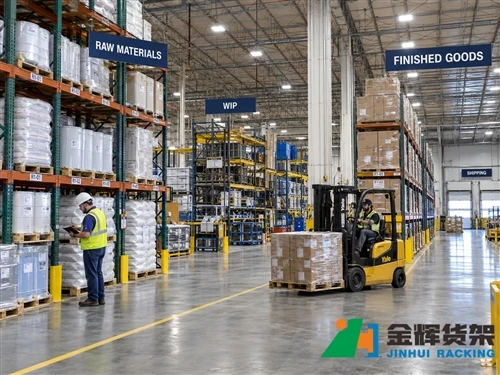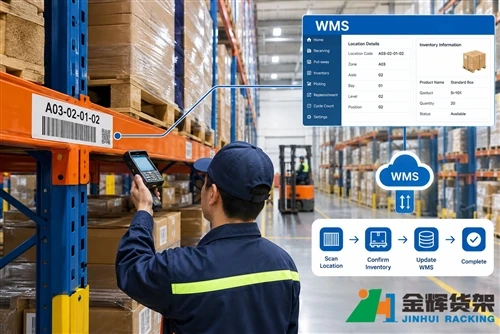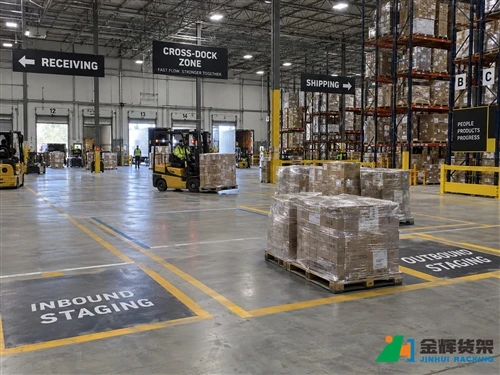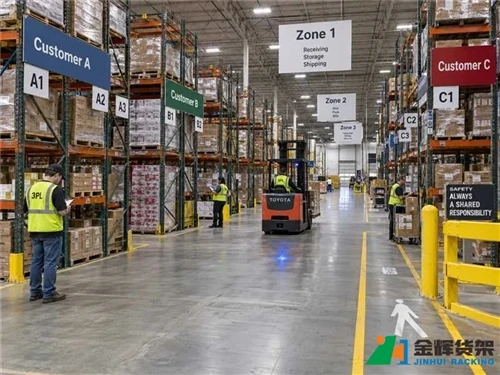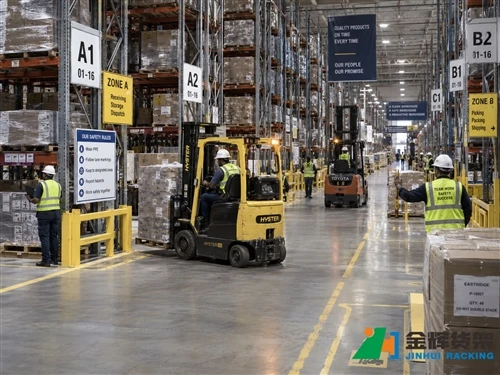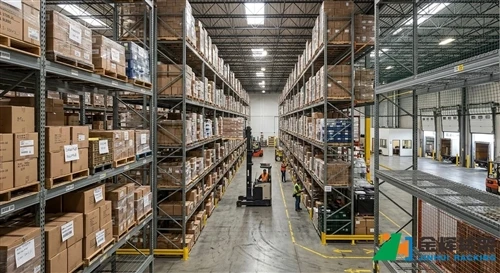
Warehouse storage efficiency depends on more than simply installing pallet racks. The layout of the storage system influences labor productivity, forklift travel distance, inventory accuracy, and overall operating costs. Selecting the wrong pallet racking system can reduce storage capacity, increase handling time, and limit future warehouse expansion.
Among the most commonly used warehouse storage solutions, Selective Pallet Rack and Double Deep Pallet Rack are often compared because they offer different balances between accessibility and storage density. While both systems are based on conventional pallet racking structures, their operating methods, storage capacity, and investment returns differ considerably.

Understanding the Two Warehouse Storage Systems
Before comparing their performance, it is important to understand how each storage system works.
What Is a Selective Pallet Rack?
Selective pallet racking is the most widely used warehouse storage system worldwide. Every pallet is directly accessible from the aisle, making inventory management extremely flexible.
This design allows operators to retrieve any pallet without moving other loads, making it ideal for businesses storing hundreds or even thousands of different SKUs.
Typical applications include:
- E-commerce fulfillment centers
- Retail distribution warehouses
- Manufacturing facilities
- Automotive parts storage
- Medical warehouses
- Third-party logistics (3PL)
If your warehouse requires maximum pallet accessibility, the Selective Pallet Rack System remains one of the most efficient and economical storage solutions.
What Is a Double Deep Pallet Rack?
A Double Deep Pallet Rack is an upgraded version of the selective rack. Instead of storing one pallet deep on each side of an aisle, it stores two pallets deep.
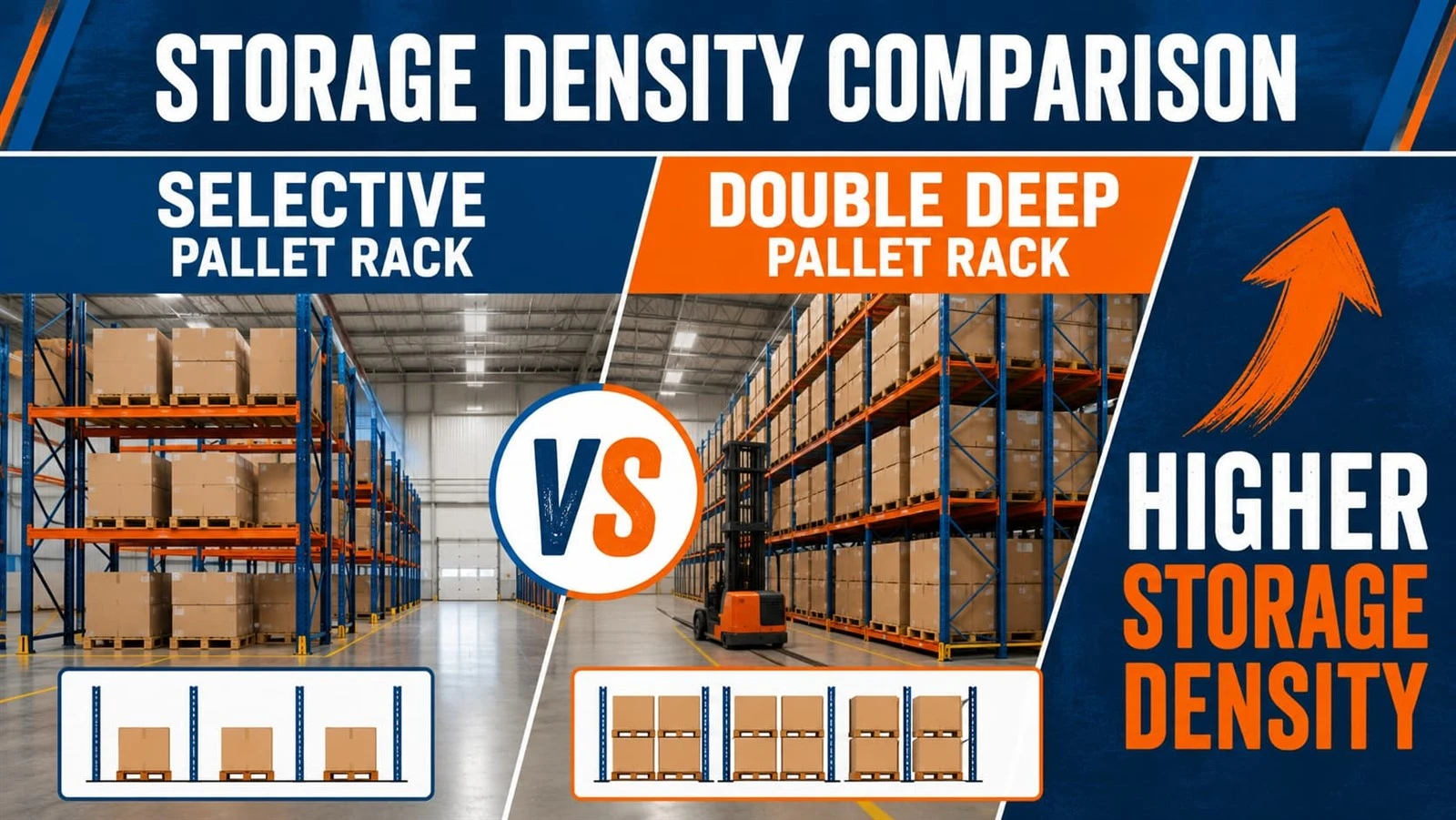
This simple structural modification dramatically reduces the number of aisles required, allowing warehouses to increase storage density by approximately 30–40% without expanding the building.
Unlike Drive-In Racking, forklifts remain outside the storage lane. A reach truck equipped with telescopic forks retrieves the rear pallet safely.
Learn more about our Double Deep Pallet Racking System and how it improves warehouse capacity.

Key Structural Differences
| Comparison Item | Selective Pallet Rack | Double Deep Pallet Rack |
|---|---|---|
| Pallet Depth | Single Deep | Two Deep |
| Aisle Quantity | More | Fewer |
| Storage Density | Medium | High |
| Pallet Accessibility | 100% | Approximately 50% |
| Forklift Type | Standard Reach Truck | Double Deep Reach Truck |
| Inventory Method | FIFO Possible | Mainly LIFO |
Storage Density Comparison
The biggest advantage of Double Deep Pallet Racking is increased storage density. By reducing aisle space, more floor area becomes available for pallet storage.
In a typical warehouse, replacing selective racks with double deep racks can increase pallet positions by 30% to 40%, depending on building dimensions and aisle layout.
This improvement often allows companies to postpone warehouse expansion or eliminate the need to rent additional storage space.
| Warehouse Characteristic | Selective Rack | Double Deep Rack |
|---|---|---|
| Storage Density | ★★★★★ | ★★★★★★★★ |
| Accessibility | ★★★★★ | ★★★☆☆ |
| Space Utilization | ★★★☆☆ | ★★★★★ |
| Expansion Potential | Good | Excellent |
Accessibility and Inventory Management
Accessibility is where the Selective Pallet Rack has a clear advantage. Every pallet location can be reached directly without relocating adjacent inventory. This is especially valuable for warehouses managing a large number of SKUs with frequent picking operations.
Double Deep Racking, however, stores one pallet behind another. The front pallet must be removed before accessing the rear pallet. For this reason, Double Deep systems are generally recommended for warehouses storing larger quantities of the same SKU.
Companies with slower inventory turnover, batch production, or seasonal products often find that the increased storage capacity outweighs the slight reduction in accessibility.
Forklift Requirements
Selective pallet racks are compatible with almost all standard forklifts, making them a flexible option for many warehouses.
Double Deep systems require specialized reach trucks equipped with telescopic forks or pantograph mechanisms. Although these forklifts involve a higher initial investment, they allow operators to retrieve rear pallets efficiently while maintaining safe handling practices.
When evaluating the total investment, businesses should compare the cost of specialized forklifts against the savings generated by higher storage density and reduced warehouse expansion expenses.
For warehouses planning future automation, integrating pallet storage with an Automated Storage and Retrieval System (ASRS) may provide an even greater return on investment through improved efficiency and labor savings.
Investment Cost Comparison
When comparing pallet racking systems, many warehouse owners focus only on the initial purchase price. However, the total cost of ownership includes warehouse rent, labor, forklift equipment, maintenance, and future expansion costs.
Selective pallet racking generally has the lowest initial investment because it uses standard reach trucks and a straightforward rack configuration. It is an excellent solution for businesses requiring maximum flexibility and direct pallet access.
Double Deep Pallet Racking requires specialized reach trucks with pantograph or telescopic forks, resulting in a slightly higher equipment investment. However, by increasing storage density and reducing aisle space, many companies recover this additional cost through lower warehouse operating expenses and increased pallet capacity.
| Cost Factor | Selective Pallet Rack | Double Deep Pallet Rack |
|---|---|---|
| Rack Investment | Lower | Medium |
| Forklift Investment | Standard | Special Reach Truck |
| Warehouse Space Utilization | Medium | High |
| Operating Cost | Medium | Lower in High-Density Warehouses |
| Long-Term ROI | Excellent | Excellent for High-Volume Storage |
Warehouse Efficiency Comparison
Warehouse efficiency is influenced by several factors, including travel distance, picking speed, storage organization, and inventory turnover. Each racking system performs differently depending on operational priorities.
If your warehouse processes a large number of customer orders every day and every pallet must remain immediately accessible, Selective Pallet Racking provides the highest operational flexibility.
If your warehouse stores multiple pallets of the same SKU with relatively stable inventory turnover, Double Deep Pallet Racking delivers significantly better space utilization without dramatically reducing handling efficiency.
For warehouses facing increasing rental costs or limited building space, the additional pallet positions gained through Double Deep storage often provide a greater financial benefit than maintaining 100% accessibility.
Which Industries Benefit Most from Each System?
Selective Pallet Rack Applications
- E-commerce fulfillment centers
- Retail distribution warehouses
- Automotive spare parts
- Medical and pharmaceutical storage
- Electronics manufacturing
- 3PL logistics centers
Double Deep Pallet Rack Applications
- Food and beverage warehouses
- Cold storage facilities
- Paper and packaging manufacturers
- Chemical industries
- Building material warehouses
- Industrial manufacturing plants
- Bulk pallet storage operations
When Should You Choose a Selective Pallet Rack?
Selective pallet racking is usually the best solution if your warehouse handles a large variety of products and requires direct access to every pallet.
You should consider Selective Pallet Rack if:
- Your warehouse manages hundreds or thousands of SKUs.
- Inventory turnover is very high.
- FIFO inventory management is required.
- Standard forklifts are already in operation.
- Fast order picking is a priority.
- You expect frequent inventory changes.
For complete warehouse planning solutions, explore our Warehouse Pallet Rack Solutions.
When Should You Choose Double Deep Pallet Racking?
Double Deep Pallet Racking becomes the better investment when storage density is more important than direct pallet accessibility.
This system is recommended when:
- Warehouse space is limited.
- Rental costs are increasing.
- Products are stored in larger batches.
- Each SKU has multiple pallet positions.
- LIFO inventory management is acceptable.
- The warehouse plans long-term capacity expansion.
Learn more about our Double Deep Pallet Racking System to discover how customized layouts can maximize storage capacity.
Quick Comparison Summary
| Feature | Selective Rack | Double Deep Rack |
|---|---|---|
| Storage Density | ★★★★☆ | ★★★★★ |
| Pallet Accessibility | ★★★★★ | ★★★☆☆ |
| Warehouse Space Utilization | ★★★☆☆ | ★★★★★ |
| Inventory Flexibility | ★★★★★ | ★★★☆☆ |
| Forklift Requirement | Standard | Special Reach Truck |
| Ideal Warehouse Type | Multi-SKU Distribution | High-Density Bulk Storage |
Frequently Asked Questions
Is Double Deep Pallet Racking better than Selective Pallet Racking?
Neither system is universally better. Selective racks offer maximum accessibility, while Double Deep racks provide significantly higher storage density. The best choice depends on your warehouse layout and inventory profile.
How much additional storage can Double Deep Pallet Racking provide?
Most warehouses achieve a storage capacity increase of approximately 30% to 40% by replacing selective racks with Double Deep configurations.
Does Double Deep Racking require special forklifts?
Yes. Double Deep systems require reach trucks equipped with telescopic forks or pantograph mechanisms to retrieve rear pallets safely.
Can Double Deep Racking be customized?
Absolutely. Rack height, beam length, bay configuration, load capacity, and aisle width can all be engineered according to warehouse dimensions and operational requirements.
Which industries most commonly use Double Deep Pallet Racking?
Food processing, beverage manufacturing, cold storage, paper production, logistics centers, and industrial manufacturing facilities commonly adopt Double Deep systems to maximize storage density.
Conclusion
Both Selective Pallet Rack and Double Deep Pallet Rack are proven warehouse storage solutions, but they are designed for different operational priorities. If your business requires maximum pallet accessibility and frequent inventory rotation, Selective Pallet Racking remains the preferred choice. If increasing pallet capacity and reducing warehouse expansion costs are your primary goals, Double Deep Pallet Racking offers a highly efficient and cost-effective solution.
At Jinhui Rack, our experienced engineering team works closely with customers to analyze warehouse layouts, pallet specifications, forklift operations, and future expansion plans before recommending the most suitable storage system. Every project is custom-designed to maximize storage efficiency, improve warehouse productivity, and deliver long-term return on investment.
Contact Jinhui Rack
Looking for the ideal pallet racking solution for your warehouse? Contact our engineering team today for a free warehouse layout consultation, customized storage design, and professional quotation.
WhatsApp:
+8618502527163
Email:
info@jhrack.com