Pallet racks are a staple of modern warehousing and logistics, providing a structured and efficient way to store and manage goods. Their numerous benefits make them indispensable for businesses seeking to optimize their storage operations.
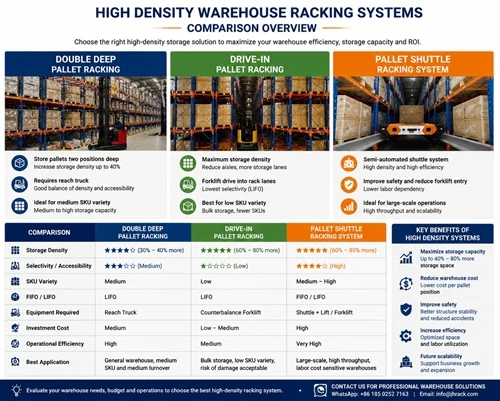
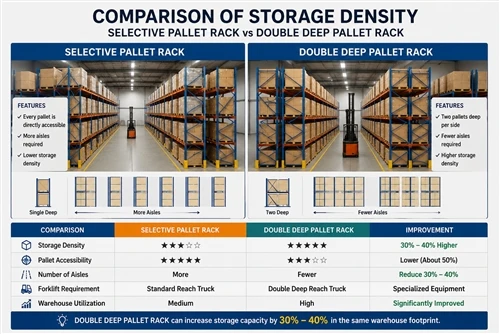
Maximized Storage Capacity: Chief among the advantages of pallet racks is their ability to maximize storage capacity within a given space. By utilizing vertical space effectively, they allow businesses to store more products in a smaller footprint, reducing the need for additional warehousing facilities and lowering associated costs.
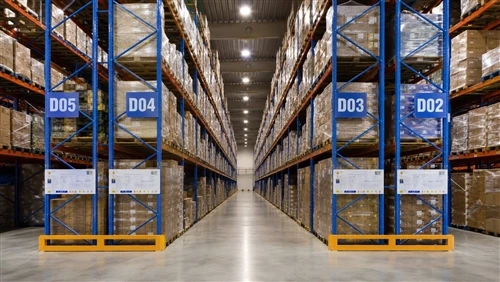
Improved Organization: Pallet racks facilitate organized storage, enabling businesses to quickly locate and retrieve products. This not only speeds up order fulfillment but also minimizes the risk of misplacement or damage due to disorganization. With clear labeling and zoning, employees can easily navigate the racks to find what they need.
Increased Safety: Safety is a paramount concern in any warehouse environment. Pallet racks, when properly installed and maintained, help to create a safer workspace by providing stable structures for storing heavy loads. They also encourage proper stacking techniques, reducing the risk of accidents or collapses.
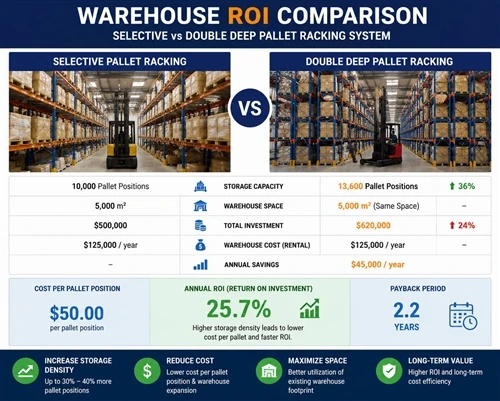
Cost-Effective Solution: In the long run, pallet racks offer a cost-effective solution for warehousing needs. While the initial investment may be significant, the long-term savings from increased storage capacity, improved efficiency, and reduced safety risks far outweigh the costs. Additionally, pallet racks are durable and can last for years with proper care.
Flexibility and Scalability: Lastly, pallet racks offer flexibility and scalability. As a business grows, it can easily add more racks or expand existing ones to accommodate increased inventory. This adaptability ensures that the warehousing solution grows with the business, supporting its evolving needs.
In conclusion, the benefits of pallet racks are numerous and significant, making them an essential component of any modern warehouse operation. By maximizing storage capacity, improving organization, enhancing safety, providing cost savings, and offering flexibility, they contribute to the overall efficiency and success of businesses.