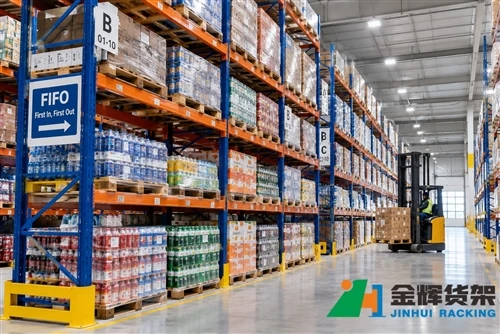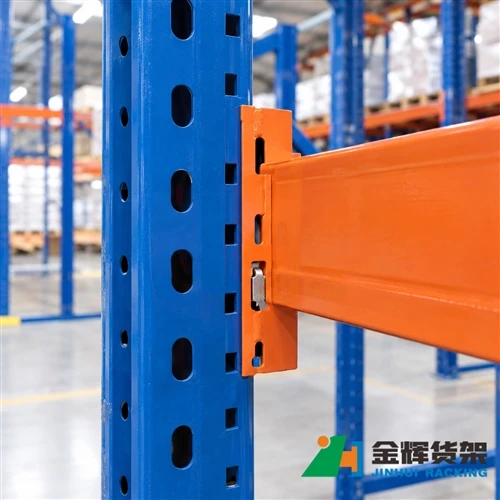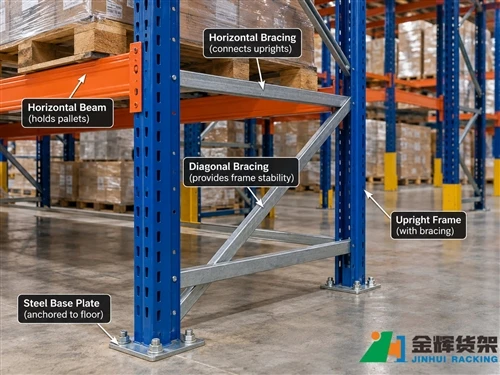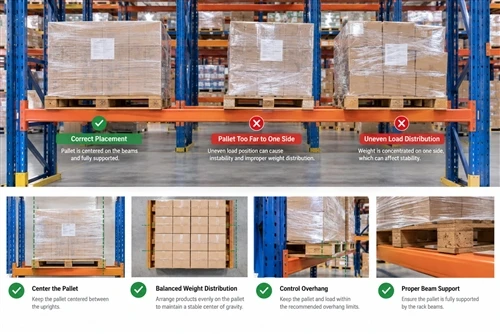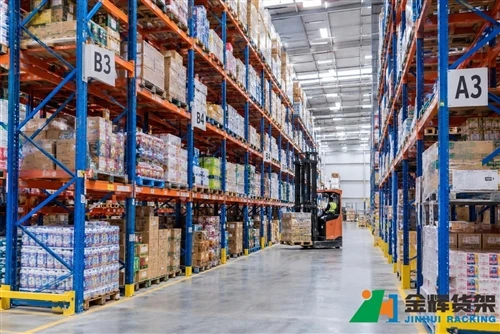
A pallet rack is a fundamental component of warehouse and logistics operations, designed to provide structured and efficient storage for goods. These systems consist of a framework of metal beams and uprights that support horizontal platforms, known as pallets, on which goods are stacked and stored.
The primary purpose of a pallet rack is to optimize the use of vertical space within a warehouse, allowing for the storage of large quantities of goods in a compact area. This not only saves on floor space but also makes it easier to access and manage inventory.
Pallet racks come in various configurations, including selective, drive-in, push-back, and pallet flow, each designed to meet specific storage and retrieval needs. Selective racks, for example, allow for individual access to each pallet, making them ideal for frequently accessed items. Drive-in racks, on the other hand, are designed for high-density storage, with forklifts driving directly into the racks to load and unload pallets.
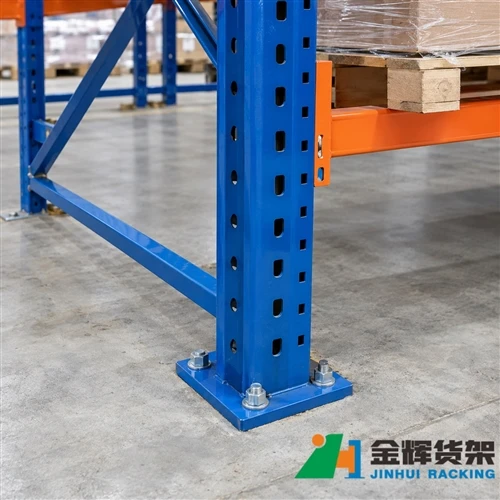
The construction of pallet racks is sturdy and durable, ensuring they can withstand the weight of heavy loads and withstand the rigors of daily use. Safety is also a top priority, with features such as guardrails and footplates helping to prevent accidents and injuries.
In addition to their practical benefits, pallet racks also contribute to the overall organization and efficiency of warehouse operations. By providing a clear and structured system for storing and retrieving goods, they help to streamline processes, reduce errors, and improve customer satisfaction.
In summary, a pallet rack is a vital piece of equipment for any warehouse or logistics operation. Its ability to maximize storage capacity, accommodate various storage and retrieval needs, and contribute to overall efficiency and organization makes it an essential component of modern warehousing.