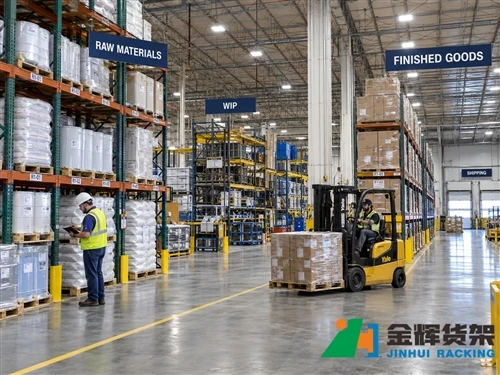
Shelving is a crucial component in various industries, from retail to manufacturing, warehousing to the home. It provides a means of storing and organizing goods, equipment, and materials, while also facilitating ease of access and retrieval. In this article, we will explore the different types of shelving available and their respective applications.
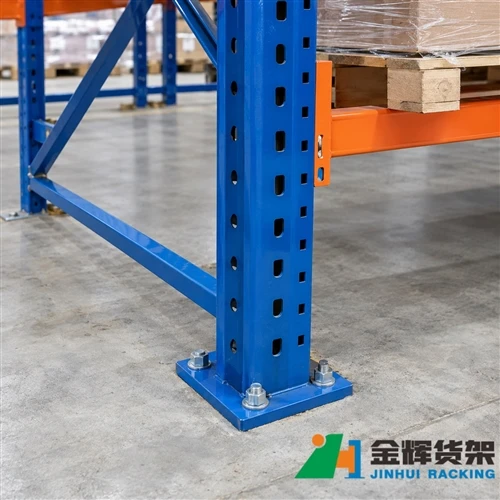
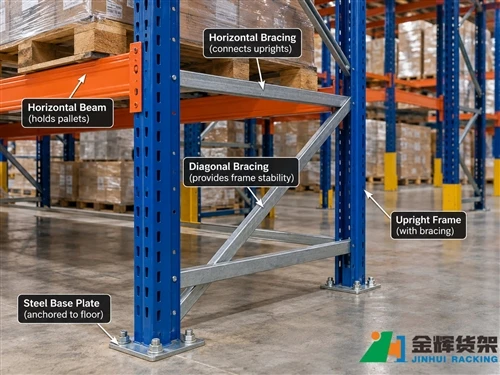
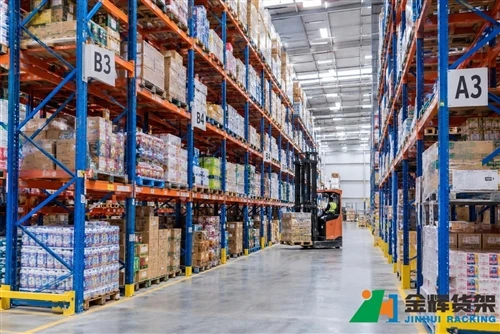
The most common type of shelving is open shelving, which consists of a series of shelves supported by vertical standards. These shelves can be adjustable, allowing for variable heights and depths, or fixed, providing a more stable storage solution. Open shelving is commonly used for storing lightweight items such as boxes, products, and small equipment in warehouses, distribution centers, and retail stores.
Cantilever shelves are a type of open shelving that features unsupported ends, making them particularly useful for storing long or odd-shaped items. They are designed to support heavy loads while using less space than traditional shelves. Cantilever shelves are commonly found in manufacturing plants, workshops, and warehouses where space is at a premium.
Pegboard shelving is a type of open shelving that uses perforated board or mesh sheets fixed to the back of the shelves. These sheets provide a surface for hanging items using hooks or pegs, allowing for maximum storage in a small space. Pegboard shelves are commonly used in the home for storing tools, equipment, and household items, as well as in warehouses for light-duty storage.
Mobile shelves are wheeled shelves that can be easily moved within a storage area. They are typically used for storing heavy or bulky items that need to be accessed infrequently, freeing up space in fixed shelving units for more frequently used items. Mobile shelves are commonly found in warehouses, distribution centers, and manufacturing facilities.