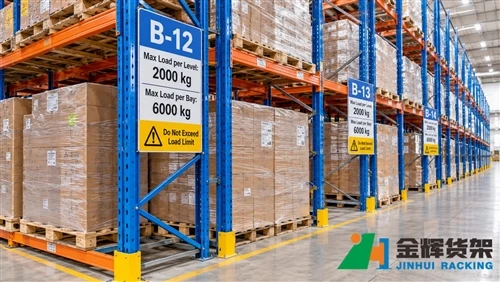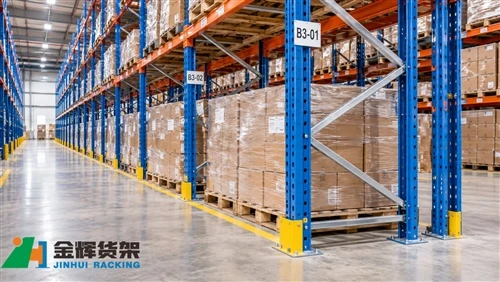
Pallet flow racks are an essential storage solution for efficient material handling in warehouses and distribution centers. These racks are designed to store and retrieve pallets in a continuous, smooth-flowing system, improving efficiency and reducing costs. In this article, we will explore the function, benefits, and operation of pallet flow racks.
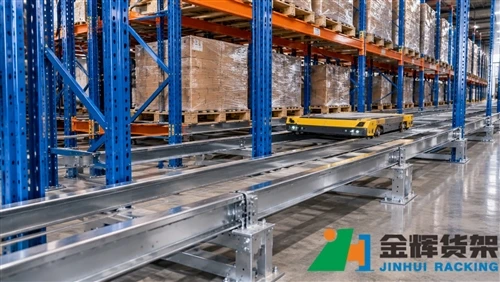
Pallet flow racks are typically designed as a series of parallel shelves that can accommodate multiple pallets. The shelves are mounted on wheels or casters, allowing them to be easily moved within the warehouse. The flow rack system is equipped with a conveyor system that transports the pallets from one end of the rack to the other, either manually or automatically.
The main benefit of pallet flow racks is their ability to store and retrieve pallets quickly and efficiently. The conveyor system allows for continuous flow of pallets, ensuring fast and reliable access to the stored goods. This not only reduces the time required for storage and retrieval but also eliminates the need for manual handling, reducing labor costs and improving worker safety.
Pallet flow racks also provide improved inventory management and tracking. The system can be integrated with a warehouse management system (WMS), allowing for real-time monitoring and tracking of pallet locations. This helps businesses maintain accurate inventory records, improve stock control, and minimize lost inventory.
When selecting and operating pallet flow racks, several factors should be considered. The size and weight of the pallets being stored should be taken into account, as this will determine the appropriate rack configuration and material handling equipment required. The flow rack system should also be able to handle the volume of pallets being stored, ensuring sufficient capacity for future growth. In addition, proper maintenance and cleaning of the rack system is essential to ensure its reliable operation and longevity.
In conclusion, pallet flow racks provide an efficient solution for storing and retrieving pallets in warehouses and distribution centers. Their ability to quickly and continuously transport pallets while maintaining accurate inventory records makes them a popular choice for material handlers seeking to improve efficiency and reduce costs. When selecting and operating pallet flow racks, it is important to consider the appropriate configuration and capacity to meet the specific requirements of the application.