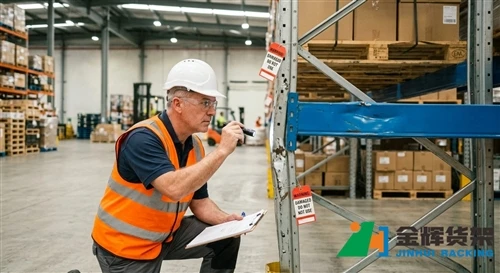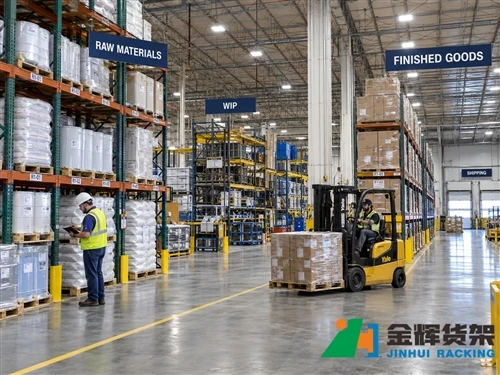
Push back racks are an innovative storage solution for a wide range of industries, providing an efficient and reliable means of storing and retrieving products. These racks are designed to maximize space utilization while ensuring easy access to stored items. In this article, we will explore the design, features, and applications of push back racks.
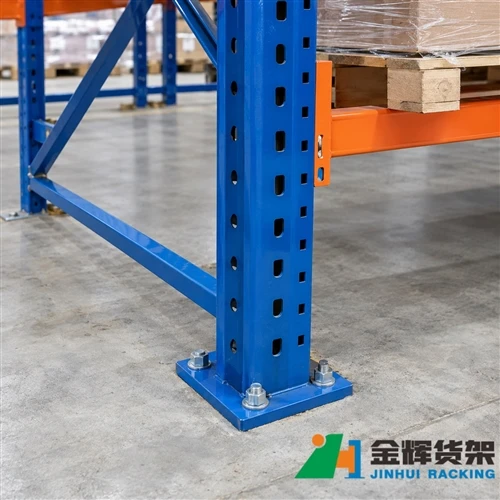
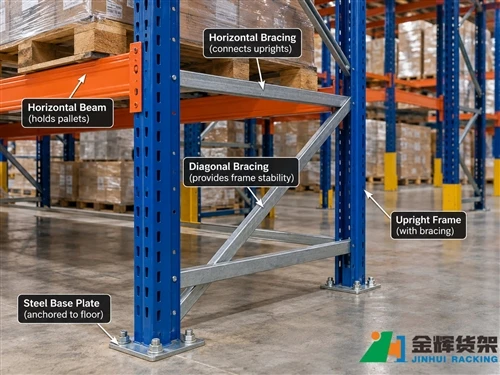
Push back racks are typically made of steel or aluminum, with adjustable height frames to support various types of pallets or containers. The racks are designed to store pallets or containers in a vertical position, allowing for dense storage and maximum utilization of available space. Push back racks also provide a convenient means of storing and retrieving items using a fork lift or pallet jack, as they can be easily accessed and maneuvered in tight spaces.
The main feature of push back racks is their ability to store and retrieve products quickly and efficiently. The racks are typically designed with wheels at the base, allowing them to be easily moved and rotated, making it easy to access any pallet or container from any position. This design also allows for faster retrieval times, as the pallets or containers can be easily rotated to the front of the rack for easy access.
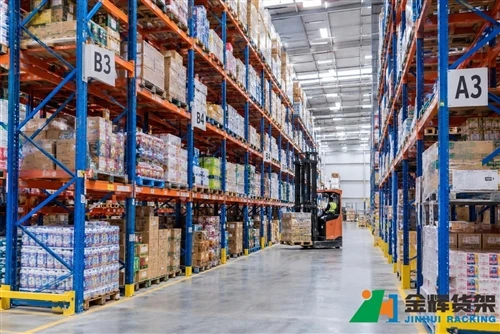
Push back racks are used in various industries, including manufacturing, warehousing, distribution centers, and retail stores. They are particularly useful in environments where space is limited and dense storage is required. Push back racks also provide a cost-effective solution for storing large quantities of goods, as they maximize space utilization while reducing the need for additional storage space.
In conclusion, push back racks provide an innovative and efficient solution for storing and retrieving products in a variety of industries. Their design maximizes space utilization while ensuring quick and easy access to stored items. Understanding the design, features, and applications of push back racks can help businesses choose the right solution for their specific needs, resulting in increased efficiency and cost savings.