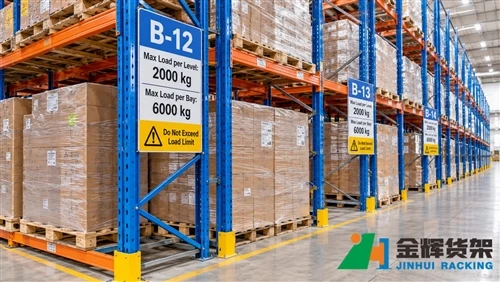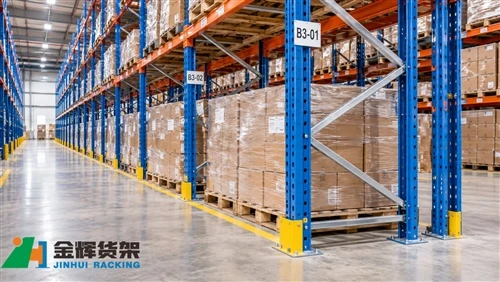
Pallet rack is a crucial component of any efficient storage and logistics operation. Pallet racks are designed to support and store pallets, which are the primary means of transporting and storing goods in warehouses and industrial facilities. In this article, we will explore the different types of pallet racks available, their respective features, and their applications in the storage and logistics industry.
Pallet racks are available in various forms, each designed to meet specific storage needs. The most common types of pallet racks include:
Roll-Up Pallet Rack: This type of pallet rack has a collapsible frame that can be rolled out to form a storage space for pallets. These racks are ideal for storing large quantities of pallets and can be easily expanded to store additional pallets as needed.
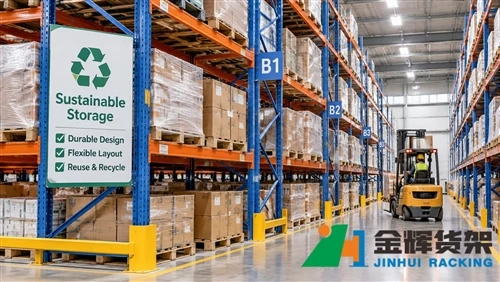
Selective Pallet Rack: This type of pallet rack allows for the selective storage of pallets in a storage area. They are typically designed with levels that can be adjusted to accommodate different pallet sizes, ensuring easy access and optimal utilization of space.
Drive-In/Drive-Thru Pallet Rack: This type of pallet rack has lanes that allow for the storage of pallets in a continuous row. The pallets are driven into the rack from one end, making it easy to add or remove pallets as needed.
Pallet racks play a crucial role in the storage and logistics industry by providing a cost-effective and efficient means of storing goods. Pallet racks allow for the organization and classification of goods based on their type, quantity, and priority, ensuring easy identification and retrieval when needed. They also provide a stable platform for storing pallets, protecting them from damage or misplacement, while optimizing the use of available space.
In conclusion, pallet racks are an essential component of any storage and logistics operation, providing a reliable platform for storing and organizing goods. Understanding the different types of pallet racks and their features can help businesses choose the right solution for their specific needs, resulting in increased efficiency and cost savings.