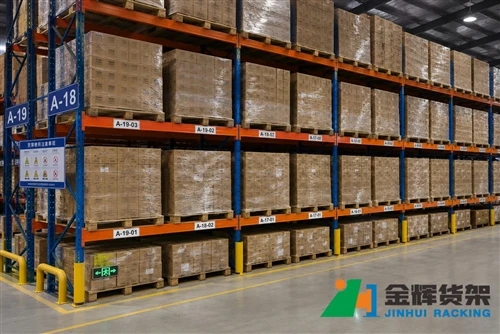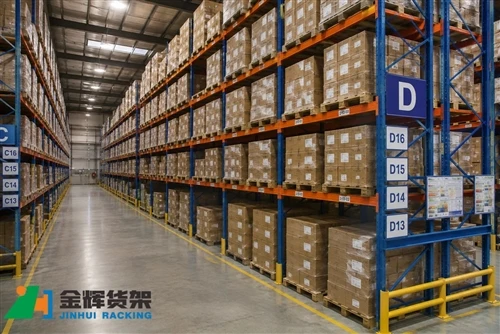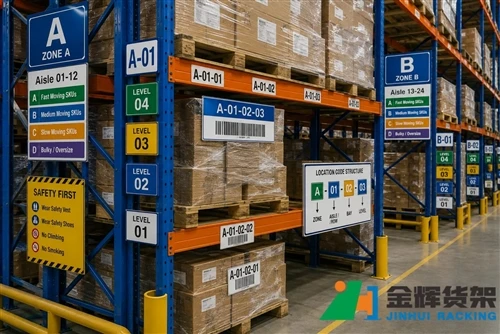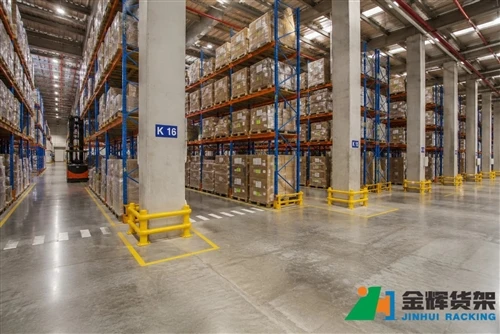
Pallet racks are essential components in modern warehouse management. They are designed to store palletized goods in a systematic and space-efficient manner.
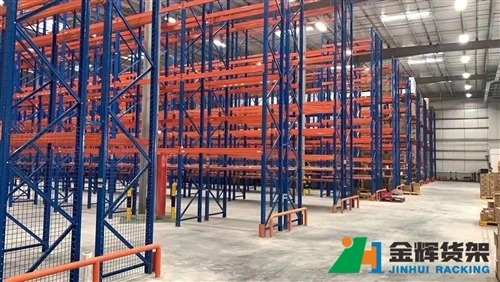
These racks are typically made of steel, which offers high strength and durability. The structure consists of vertical frames and horizontal beams. The vertical frames provide the main support, while the beams are adjustable to accommodate different pallet sizes and weights. This adjustability is crucial as it allows warehouses to adapt to changing inventory needs. For example, if a company starts handling larger pallets, the beam height can be easily modified.
Pallet racks enable better organization of inventory. Goods can be stored in a clear and accessible manner, facilitating quick retrieval and stocktaking. There are different types of pallet racking systems. The selective pallet rack is the most common, where each pallet has direct access from the aisle. Drive-in and drive-through racks are suitable for storing large quantities of the same product. They allow forklifts to drive into the rack structure, maximizing storage density.
Installation of pallet racks requires careful planning. The layout must consider factors such as the size and shape of the warehouse, the flow of goods, and the type of forklift equipment used. Adequate aisle space is necessary to ensure safe and efficient forklift operation.
Maintenance is also important. Regular inspections should be carried out to check for any signs of damage, such as bent beams or loose connections. Any issues should be promptly addressed to prevent accidents and ensure the integrity of the rack system.
In conclusion, pallet racks play a vital role in warehouse operations. They optimize storage space, improve inventory management, and contribute to the overall productivity and safety of the warehouse environment. By choosing the right type of pallet rack and maintaining it properly, businesses can enhance their supply chain efficiency and gain a competitive edge.