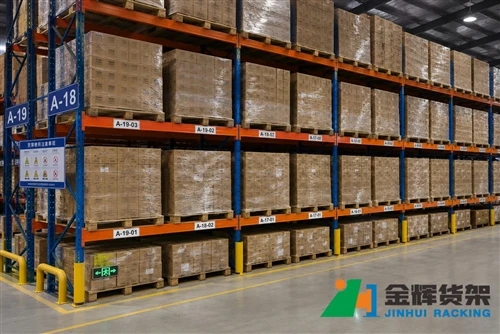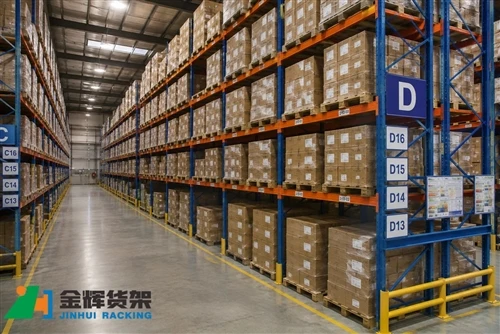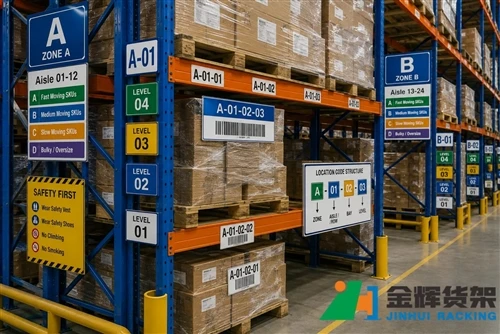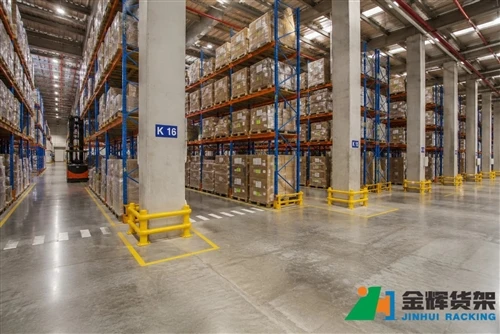
Pallet racks serve as the fundamental framework for efficient warehousing. These structures are engineered to hold palletized loads, streamlining storage and retrieval processes.
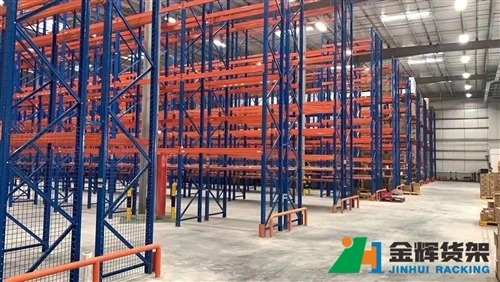
Constructed predominantly from robust steel, pallet racks are built to withstand heavy weights. The vertical columns and horizontal beams form a sturdy grid. The columns are anchored securely to the floor, providing stability, while the beams can be adjusted vertically to create the desired shelf height for different pallet dimensions. This adaptability is invaluable in accommodating a diverse range of products and packaging sizes.
There are several common types of pallet racking systems. Selective pallet racks offer individual access to each pallet, allowing for easy picking and restocking. They are ideal for operations with a high variety of SKUs. Drive-in racks, on the other hand, are designed for high-density storage of homogeneous products. Forklifts can drive into the racks, maximizing the use of vertical space. Cantilever racks are suitable for storing long or irregularly shaped items such as lumber or pipes.
Proper installation of pallet racks is critical. It demands precise alignment and leveling to ensure the racks can bear the intended loads safely. Engineers must consider factors like floor load capacity and seismic requirements, especially in regions prone to earthquakes.
Maintenance is an ongoing concern. Regular visual inspections should be conducted to identify any signs of wear, corrosion, or damage. Bent or damaged components need to be replaced promptly to prevent potential collapses. Additionally, load limits must be adhered to, and employees should be trained in proper rack usage and forklift operation around the racks.
In summary, pallet racks are the backbone of warehouse logistics. Their intelligent design, variety of types, and importance in installation and maintenance all contribute to optimizing warehouse space, enhancing inventory control, and facilitating the smooth flow of goods in and out of the storage facility.