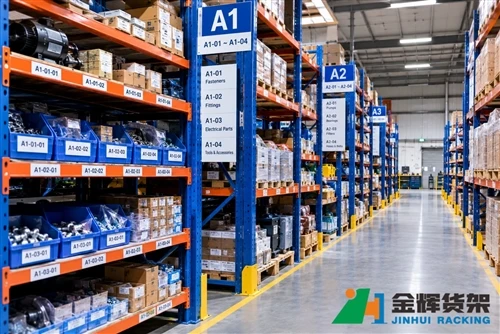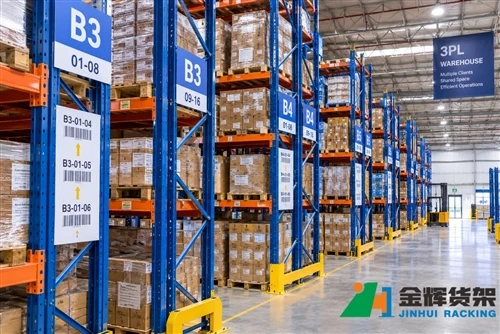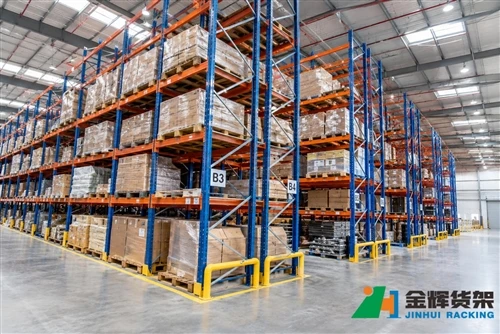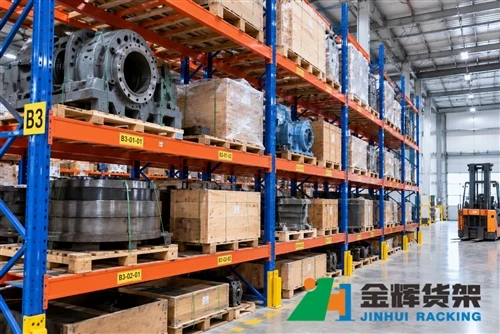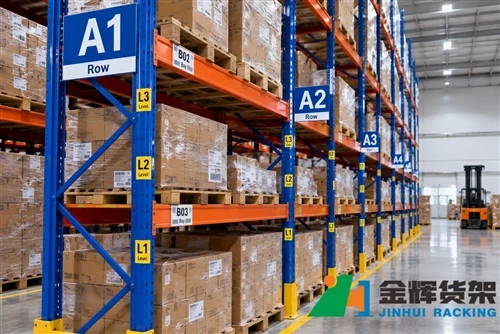
Installing pallet racking is the process of assembling, positioning, anchoring, and securing warehouse racking systems to ensure safe storage operations and maximum space utilization.
Installing pallet racking correctly is essential for ensuring warehouse safety, maximizing storage efficiency, and preventing costly structural failures. A well-installed system not only improves operations but also extends the lifespan of your racking investment.

Preparation Before Installation
Proper preparation is the foundation of a successful pallet racking installation. Skipping this step can lead to safety risks and operational inefficiencies.
1. Evaluate Warehouse Floor Conditions
The concrete floor must be level and strong enough to support both static and dynamic loads. Uneven or weak flooring can compromise the stability of the entire racking system.
2. Confirm Pallet Size and Load Capacity
Ensure the racking system is designed to handle your pallet dimensions and weight requirements. Overloading can lead to structural damage.
3. Review Warehouse Layout Plan
A detailed layout ensures optimal space utilization, proper aisle width, and smooth forklift operation.
Engineering Considerations Before Installation
Professional pallet racking installation requires understanding key engineering factors that directly affect safety and performance.
Floor Load Capacity
The floor must support the combined weight of racks, pallets, and handling equipment. Structural assessment may be required for heavy-duty systems.
Anchor Bolt Specifications
Using appropriate anchor bolts ensures rack stability and prevents tipping under load.
Beam Spacing and Load Distribution
Incorrect beam spacing can reduce load capacity and create uneven weight distribution.
Aisle Width and Forklift Clearance
Aisle width must match forklift type to ensure safe maneuvering and efficient operation.
Tools and Equipment Required
- Hammer drill and drill bits
- Anchor bolts
- Spirit level
- Measuring tape
- Torque wrench
- Forklift or lifting equipment
- Personal protective equipment (PPE)
Step-by-Step Pallet Racking Installation
Step 1: Mark the Layout
Mark the position of upright frames and aisles using chalk lines based on the layout plan.
Step 2: Position Upright Frames
Stand the upright frames vertically and ensure they are aligned correctly using a level.
Step 3: Anchor Frames to the Floor
Drill holes and install anchor bolts to secure each frame firmly to the floor. This step is critical for stability.
Step 4: Install Horizontal Beams
Attach beams to uprights at designated heights. Ensure locking mechanisms are properly engaged.
Step 5: Check Alignment and Level
Inspect the structure to confirm it is straight, level, and properly aligned.
Step 6: Install Safety Accessories
Add safety pins, column protectors, and guard rails to reduce the risk of damage and accidents.
Safety Standards and Compliance
Pallet racking installation must comply with recognized safety standards to ensure long-term reliability.
- Follow OSHA safety guidelines for warehouse environments
- Ensure proper load signage and labeling
- Conduct post-installation inspections
- Train staff on safe usage of racking systems
Common Installation Mistakes to Avoid
- Failing to anchor racks properly
- Ignoring load capacity limits
- Incorrect beam installation
- Poor aisle spacing design
- Skipping safety components
DIY vs Professional Installation
Small systems can be installed by trained staff, but large or complex warehouse setups should always be handled by professional installers to ensure compliance with safety standards and optimal performance.
Explore Professional Pallet Racking Systems
Choosing the right racking system is just as important as proper installation. Explore a full range of solutions here: pallet racking systems. This page provides detailed specifications and configurations for different warehouse needs.
FAQ About Pallet Racking Installation
Do pallet racks need to be anchored?
Yes, anchoring is essential to prevent movement, tipping, and structural instability.
How long does installation take?
Installation time depends on warehouse size and system complexity, ranging from a few hours to several days.
Can pallet racking be installed on uneven floors?
No, floors should be leveled before installation to ensure safety and proper load distribution.
Conclusion
Installing pallet racking is a technical process that requires careful planning, engineering awareness, and adherence to safety standards. By following the correct steps and best practices, businesses can ensure a safe, efficient, and long-lasting storage system.