Maintenance, repair, and operations (MRO) inventory includes the spare parts, tools, replacement components, and consumables that keep industrial facilities running. Unlike finished goods, these materials often vary significantly in size, storage requirements, usage frequency, and replenishment cycles. A warehouse may need to store small fasteners, electrical components, motors, filters, and heavier replacement parts in the same facility.
Without a clear storage strategy, MRO supplies can become difficult to locate, slow down maintenance work, and occupy valuable warehouse space. A suitable warehouse racking system helps businesses organize inventory by part type, dimensions, handling requirements, and picking frequency while maintaining clear access to stored materials.
This guide explains how to plan warehouse racking for MRO inventory, organize different categories of supplies, and improve daily warehouse operations.
1. Why MRO Inventory Needs a Different Storage Strategy
MRO inventory is different from conventional palletized stock. Many items are stored in small quantities, but they can be essential to production continuity. Some parts may be used every day, while others remain in storage until a specific machine requires maintenance.
| MRO Inventory Challenge | Potential Operational Impact | Storage Planning Response |
|---|---|---|
| Different part sizes | Unused space or difficult access | Match storage locations to item dimensions and handling needs |
| Low-frequency spare parts | Slow-moving inventory occupies convenient locations | Review picking frequency when assigning storage positions |
| Urgently needed components | Maintenance delays while searching for parts | Keep critical items identifiable and accessible |
| Irregular or heavy components | Handling difficulties and unsuitable storage positions | Select a storage method based on actual dimensions, weight, and handling equipment |
| Inconsistent inventory records | Stock discrepancies and unnecessary reorders | Use consistent location labels and inventory records |
The goal is not simply to fit more items into a warehouse. It is to make the right part easy to identify, retrieve, and return to its assigned location.
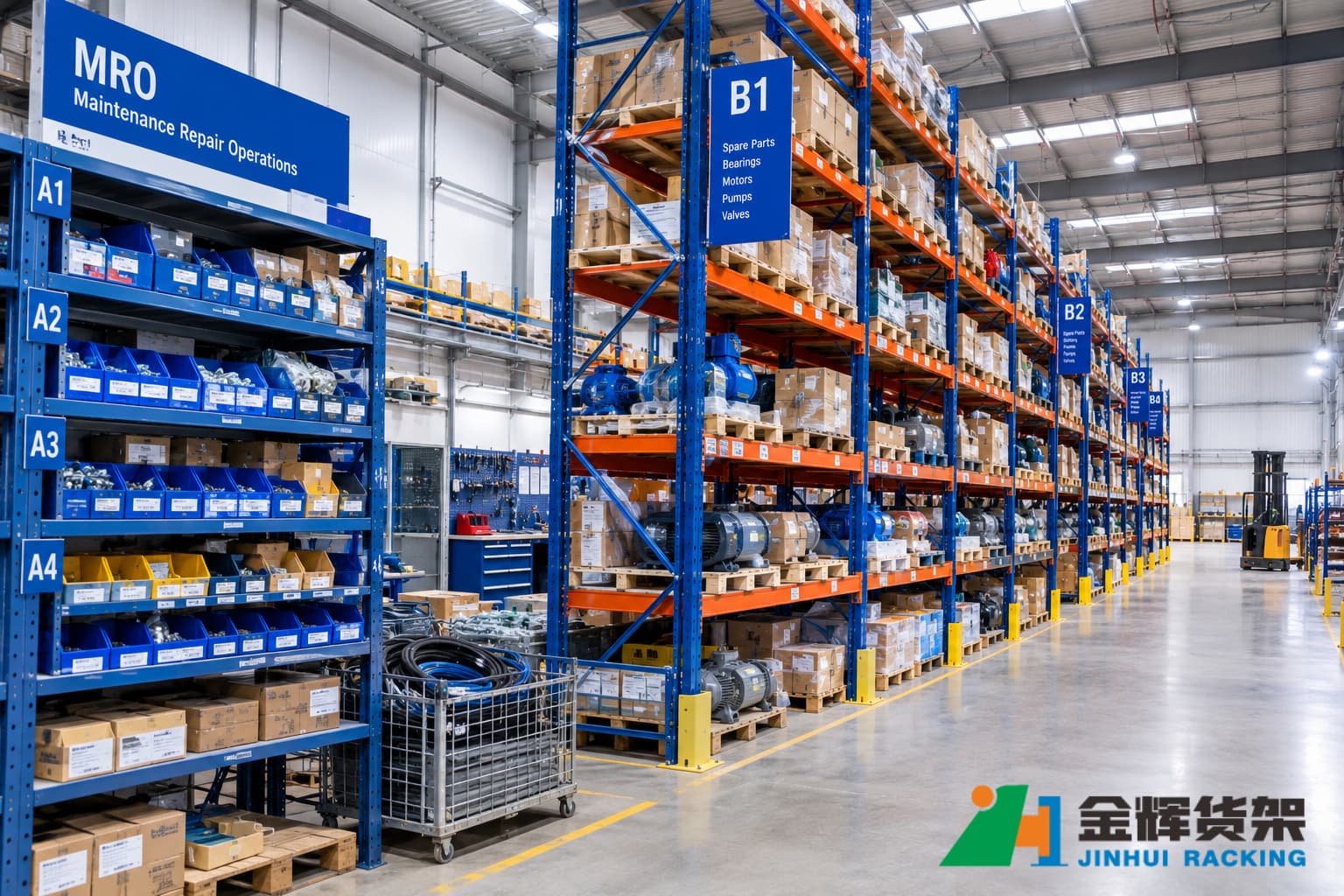
2. Categorize MRO Supplies Before Choosing Warehouse Racking
Before planning a racking layout, create an inventory profile. Review the physical characteristics of the items, how often they are used, and how they are handled. This information helps determine which supplies need shelving, pallet storage, dedicated locations, or specialized handling arrangements.
Small Components and Consumables
Fasteners, fittings, connectors, seals, and other small components are often easier to manage in labeled bins or compartmentalized shelving. Each location should have a clear identification method so that similar-looking parts can be distinguished during picking.
Where a facility uses both small-item storage and pallet racking, keep the two areas logically connected through a consistent location naming system. This helps staff move between storage zones without learning separate identification rules.
Medium-Sized Replacement Parts
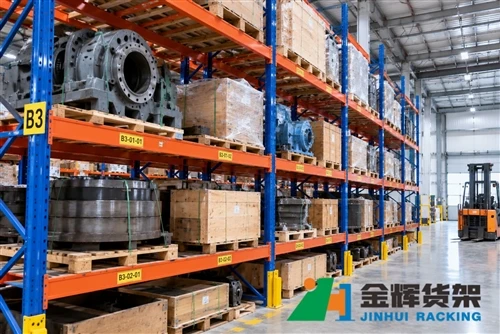
Bearings, pumps, tool kits, motors, and boxed replacement components may require different storage arrangements depending on their size and weight. Adjustable shelving or suitable rack levels can help accommodate changing inventory profiles, provided the equipment is designed for the intended loads.
Keep frequently used parts in practical picking locations, and avoid placing items where workers must move unrelated inventory to retrieve them.
Heavy or Palletized Spare Parts
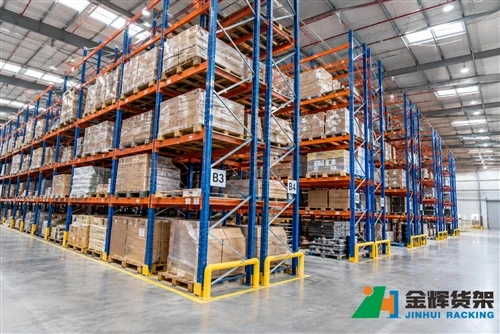
Large replacement components, bulk maintenance supplies, and palletized MRO stock may be suitable for industrial pallet racking. The selected configuration should account for the load dimensions, unit weight, pallet condition, handling equipment, and required access to individual loads.
For facilities that store heavier palletized items, review JINHUI RACK heavy-duty industrial racking systems as one possible storage option. The final design should be based on the site's actual operating requirements and verified equipment specifications.
3. Match the Storage Method to the Type of MRO Inventory
One storage system does not necessarily suit every maintenance item. Combining appropriate storage methods can help a warehouse use its available space more effectively while keeping inventory accessible.
| Inventory Type | Possible Storage Approach | Planning Considerations |
|---|---|---|
| Small fasteners and fittings | Labeled bins or compartmentalized shelving | Part identification, small quantities, and frequent picking |
| Boxed components and tools | Shelving or appropriately configured rack levels | Item dimensions, access frequency, and load limits |
| Palletized spare parts | Selective pallet racking | Direct access, pallet dimensions, and handling equipment |
| Long maintenance materials | Suitable cantilever or purpose-designed storage | Material length, support points, and safe loading and unloading |
| Critical replacement parts | Clearly identified, controlled storage locations | Traceability, access authorization where needed, and replenishment priority |
These are planning options rather than universal rules. The correct choice depends on the inventory profile, operating procedures, and the equipment's approved load and use conditions.
4. Organize Storage Locations Around Picking Frequency
Not every MRO item needs to be stored equally close to the maintenance issue counter or dispatch point. Organizing locations according to picking frequency can reduce unnecessary travel and make daily work more predictable.
- Frequently used items: Assign clearly marked locations that workers can reach conveniently without obstructing main travel routes.
- Occasionally used items: Store these in suitable locations that preserve convenient space for higher-use inventory.
- Rarely used components: Consider less convenient locations only when access, load handling, and safety requirements remain satisfied.
- Critical spare parts: Make their identities and locations easy to verify, and establish replenishment rules appropriate to their operational importance.
Picking frequency should be reviewed periodically. A component that was rarely used last year may become important after a production-line change or equipment upgrade. Storage assignments should therefore reflect current usage data rather than remain fixed indefinitely.
5. Establish a Clear Location Identification System
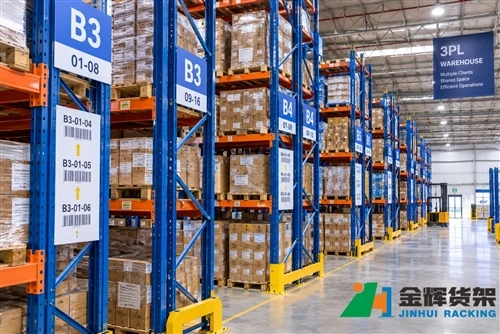
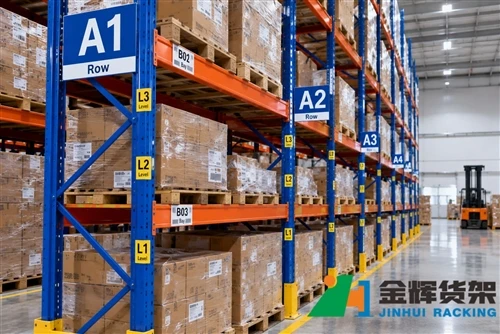
Even a well-designed racking system can underperform if workers cannot reliably identify where parts belong. A consistent location code links physical storage positions with inventory records and maintenance processes.
A location code may include a zone, aisle, rack, level, and bin reference. The exact format should suit the facility's size and warehouse management procedures.
| Example Location | Meaning | Operational Purpose |
|---|---|---|
| MRO-A01-R02-L03 | MRO zone, aisle 01, rack 02, level 03 | Identifies a rack-level location |
| MRO-B01-BIN04 | MRO zone, shelving section 01, bin 04 | Distinguishes small-item storage positions |
These codes are illustrative examples, not prescribed standards. Use a format that matches the warehouse's actual layout and software configuration.

For additional guidance, read How to Label Pallet Rack Locations for Accurate Warehouse Inventory Tracking. Consistent labels, accurate inventory records, and disciplined transaction procedures work together to improve traceability.
6. Plan for Safe Handling and Load Requirements
MRO inventory can include dense metal parts, awkwardly shaped components, fragile instruments, and palletized materials. Storage planning should consider how each item is loaded, supported, retrieved, and returned.
- Confirm the weight and dimensions of stored items before assigning rack positions.
- Verify that rack beams, frames, shelving, and accessories are suitable for their intended loads and configuration.
- Keep heavy items in locations that support safe handling and comply with the equipment's loading requirements.
- Use suitable containers or supports to prevent small components from falling through or beyond their designated storage areas.
- Maintain clear aisles and ensure handling equipment can operate within the planned layout.
- Inspect storage equipment and address visible damage according to the facility's safety procedures.
- Keep incompatible or specially controlled materials separated in accordance with applicable storage and handling requirements.
Do not estimate rack capacity from appearance alone. Obtain the applicable equipment specifications and confirm the suitability of the complete installed configuration. Where a storage plan changes, review the effects on loading, access, and safety before implementation.
7. Connect Physical Storage with Inventory Control
Warehouse racking provides the physical structure for storing MRO supplies, but accurate inventory management also depends on how stock movements are recorded. When parts are removed for maintenance, transferred between locations, or replenished, the inventory records should reflect those changes.
A practical process should include:
- Receiving: Verify the part number, quantity, and condition before assigning a storage location.
- Put-away: Place the item in the designated location and record the location in the inventory system.
- Picking: Confirm the part identity and quantity against the maintenance request or issue record.
- Returns: Inspect unused returned parts and update their status and location before putting them back into stock.
- Replenishment: Establish appropriate reorder points for important items based on usage, lead time, and business requirements.
- Stock checks: Investigate discrepancies and correct both physical stock and inventory records through the approved process.
If the facility uses a warehouse management system (WMS) or maintenance management software, align location codes and stock transactions across the relevant workflows. For broader warehouse location-control practices, see Pallet Racking and WMS: Warehouse Rack Location Management.
8. Review the MRO Storage Layout as Operations Change
MRO inventory changes as machinery is upgraded, maintenance schedules evolve, and new spare parts are introduced. A storage layout that works well today may become inefficient when item quantities, dimensions, or picking patterns change.
Review the arrangement periodically and look for practical signs that adjustments may be needed:
- Frequently requested parts are consistently difficult to reach.
- Workers spend excessive time searching for components.
- Unused or obsolete inventory occupies valuable locations.
- New equipment introduces parts that do not fit the current storage arrangement.
- Receiving, replenishment, and picking activities interfere with one another.
- Storage locations no longer match the inventory records.
Before changing rack levels or relocating heavy components, check the equipment's permitted configuration, load requirements, and the planned handling method. Changes should be controlled and documented so that the physical layout and inventory records remain consistent.
9. MRO Warehouse Racking Planning Checklist
Use the following checklist before establishing a new MRO storage area or reorganizing an existing one.
| Planning Item | What to Confirm |
|---|---|
| Inventory profile | Part sizes, weights, quantities, usage frequency, and special handling needs |
| Storage method | Suitable shelving, pallet racking, bins, or specialized storage |
| Location coding | Consistent identifiers that match the actual warehouse layout |
| Handling access | Safe picking routes, aisle clearance, and compatible handling equipment |
| Load suitability | Verified equipment specifications and permitted loading configuration |
| Inventory transactions | Receiving, put-away, issue, return, and replenishment procedures |
| Ongoing review | A process for checking inventory accuracy, storage condition, and changing requirements |
Conclusion
Effective MRO inventory storage begins with understanding the materials being stored and how maintenance teams use them. By matching storage methods to item characteristics, organizing locations around picking frequency, using consistent labels, and maintaining accurate inventory records, businesses can make spare parts easier to find and manage.
The right warehouse racking arrangement should support safe handling, practical access, and future changes in inventory without relying on one storage method for every item. A well-planned system helps maintenance teams spend less time searching for supplies and more time keeping equipment and operations running.
Contact JINHUI RACK
Looking for a suitable warehouse racking solution for your MRO inventory, spare parts, or industrial storage requirements? Contact JINHUI RACK to discuss your warehouse layout, inventory characteristics, and storage needs.
Email: info@jhrack.com
WhatsApp: +86 18502527163