Warehouse racking systems are built for long-term use, but changing storage requirements, facility renovations, and warehouse closures can eventually make an existing installation unnecessary. When this happens, businesses need a clear plan for decommissioning, dismantling, and disposing of their old racking systems.
A well-organized decommissioning project helps reduce operational disruption, protect workers, recover reusable materials, and prepare the warehouse for its next use. Rather than treating rack removal as a simple demolition task, warehouse managers should consider the entire process, from initial assessment and dismantling to recycling and final site handover.
This guide explains the key steps involved in warehouse racking decommissioning and how to make the process safer, more organized, and more cost-effective.
Key Takeaways
- Assess the existing racking system and document its condition before removal.
- Prepare a safe dismantling plan and clear all stored goods from the affected area.
- Sort components for potential reuse, recycling, or appropriate disposal.
- Include transportation, labor, floor repairs, and material recovery in the project budget.
- Inspect and restore the warehouse before handing the area over for its next use.
1. When Should a Warehouse Racking System Be Decommissioned?
There are several reasons why a warehouse may need to remove an existing racking installation. Identifying the reason early helps determine the scope of work, the required schedule, and the best way to handle the removed components.
Warehouse Closure or Relocation
When a business closes a facility or moves its operations, the existing racks may need to be removed before the building can be returned to its owner or prepared for another purpose. In relocation projects, some components may be considered for reuse at the new site, provided their condition and compatibility are properly verified.
Changes in Storage Requirements
Changes in inventory, pallet dimensions, handling equipment, or order fulfillment processes can make an existing rack layout unsuitable. In these cases, removing selected sections or replacing the complete system may help the warehouse accommodate new operational requirements.
Businesses planning a new installation can explore heavy-duty industrial racking systems to understand the options available for a future storage project.
Facility Renovation or System Replacement
Floor renovation, building modifications, equipment upgrades, and changes to fire-protection systems may require existing racks to be removed. If a replacement system is planned, the removal schedule should be coordinated with the new layout, installation requirements, and warehouse operating schedule.
Structural Damage or Unsuitable Equipment
Racking with significant damage or an uncertain service history may require professional assessment before a decision is made about continued use, repair, or replacement. Damaged components should not be assumed safe simply because they can still be assembled.
2. Inspect and Document the Existing Racking System
Before dismantling begins, document the existing installation. This information helps the project team understand the system configuration, plan the removal work, and identify components that may be suitable for further evaluation.
The initial assessment should cover the following items:
- Structural components: Upright frames, beams, bracing, connectors, and base plates.
- Accessories: Wire decking, pallet supports, rack guards, row spacers, and other attachments.
- Visible condition: Deformation, corrosion, damaged connections, missing parts, and other signs of deterioration.
- Installation details: Available drawings, rack identification labels, configuration records, and load-capacity information.
- Site conditions: Floor condition, anchor locations, overhead services, lighting, sprinklers, and nearby equipment.
Photographs and component inventories can make the assessment easier to review. If the racking is intended for reuse, each component must be evaluated for its condition, specification, compatibility, and suitability for the proposed application. A visual inspection alone cannot establish that a used rack is safe for a particular load.
For complex or damaged installations, involve a suitably qualified racking professional to assess the system and determine an appropriate removal method.

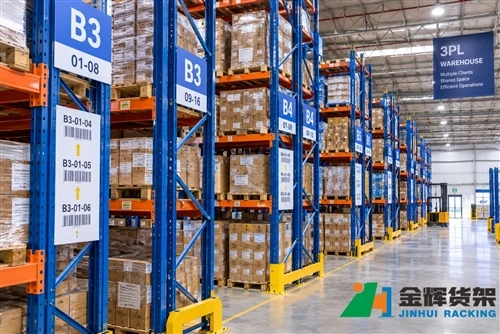
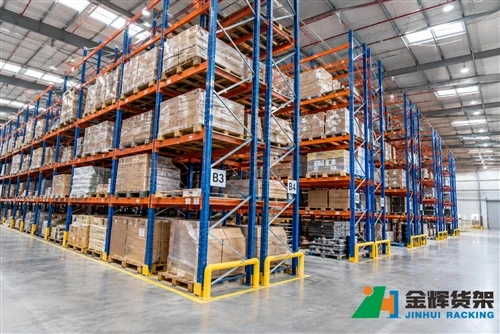
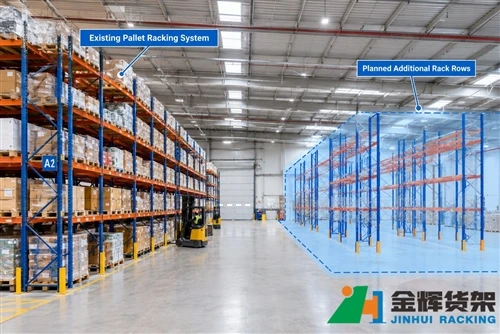
Inspect the warehouse racking layout and component condition before decommissioning.
3. Prepare a Safe and Organized Dismantling Plan
Warehouse racking supports stored loads and depends on connected structural components. Removing parts without a controlled method can create instability, falling-object hazards, and damage to surrounding equipment.
Before work begins, establish a written plan that addresses the following areas:
- Responsibilities: Identify the project supervisor, dismantling contractor, equipment operators, and personnel responsible for safety.
- Work sequence: Determine the dismantling method according to the actual rack design and the approved work procedure.
- Equipment: Select suitable lifting and handling equipment based on component dimensions, weight, site access, and floor conditions.
- Exclusion zones: Restrict access to active work areas and keep unauthorized personnel away from dismantling activities.
- Building coordination: Identify potential conflicts with sprinklers, electrical installations, conveyors, lighting, and other building services.
- Emergency procedures: Communicate site safety rules, reporting arrangements, and emergency access routes.
The dismantling method should be carried out by competent personnel. There is no single removal sequence suitable for every rack configuration, so the work should follow the approved procedure for the specific installation.
4. Remove Stored Goods and Prepare the Work Area
Before dismantling begins, remove the stored inventory from the affected racks and transfer it to a designated temporary storage area. This work should be coordinated with warehouse operations to minimize disruption to receiving, picking, dispatch, and stock control.
To prepare the work area effectively:
- Confirm that stored goods have been removed from the affected racks.
- Update inventory records and identify the temporary location of transferred goods.
- Clear loose materials and obstructions from access routes.
- Separate the dismantling zone from normal forklift and pedestrian traffic where practicable.
- Verify that the work area is ready before the dismantling team proceeds.
If the warehouse will continue operating during the project, consider a phased removal plan. Completing one designated area at a time may make it easier to maintain access to unaffected storage zones.
5. Dismantle the Racking in a Controlled Sequence
The dismantling process must follow a method appropriate to the rack design, site conditions, and equipment being used. Selective pallet racks, drive-in racks, cantilever racks, and mezzanine-supported systems can involve different structural and handling considerations.
During dismantling, the team should:
- Follow the approved work sequence and supervisor instructions.
- Use appropriate equipment to support, lift, and lower components safely.
- Prevent uncontrolled movement or falling of beams, frames, and accessories.
- Keep workers clear of suspended loads and unstable structures.
- Move removed components into designated sorting and storage areas.
- Stop work and reassess the method if unexpected damage or structural movement is discovered.
Pay particular attention to base plates, floor anchors, and the surrounding concrete. Removing a rack does not automatically restore the floor to its original condition. Anchor holes and damaged surfaces should be assessed and repaired using a method suitable for the building and its intended future use.
6. Sort Removed Components for Reuse, Recycling, or Disposal
Once the components have been removed, organize them according to their condition and intended destination. Proper sorting reduces unnecessary handling and makes it easier to evaluate potential reuse and material recovery opportunities.
The following table provides a practical starting point for component classification.
| Component Category | Examples | Recommended Action |
|---|---|---|
| Potentially reusable | Components with identifiable specifications and no obvious damage | Inspect and verify condition, compatibility, and suitability before reuse or resale. |
| Requires further assessment | Parts with deformation, corrosion, damaged connections, or an uncertain history | Isolate and obtain a competent assessment before deciding their final use. |
| Recyclable metal | Steel components unsuitable for continued service | Separate and send to an appropriate metal recycling facility. |
| Other materials | Packaging, mixed materials, and non-metal accessories | Sort according to material type and applicable waste-handling requirements. |

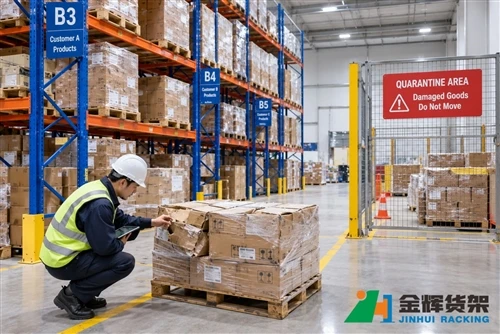
Sort dismantled components before deciding which parts can be reused or recycled.
Do not assume that a component is suitable for reuse just because it looks intact. Its service history, dimensions, connections, material condition, and compatibility with the proposed system all matter. Used components should only return to service after their suitability has been appropriately established.
7. Evaluate Recycling and Disposal Options
Steel racking components may have material-recovery value even when they are no longer suitable for warehouse use. However, the actual value depends on material type, condition, local recycling arrangements, transportation, and handling costs.
Businesses can consider several options:
- Internal reuse: Retain suitable components for a future project after their compatibility and condition have been verified.
- Resale or transfer: Offer suitable used components to another facility or buyer, with accurate information about their condition and limitations.
- Metal recycling: Send components that are no longer suitable for service to an appropriate recycling provider.
- Specialist disposal: Handle mixed or regulated waste according to the applicable local requirements.
Compare the total cost of each option rather than focusing only on the expected resale value. Labor, loading, transportation, temporary storage, inspection, and processing can all affect the final result.
Where required, retain recycling receipts, waste-transfer records, and other relevant disposal documentation. Requirements vary by location and material type, so confirm the applicable rules with the facility owner, waste contractor, or local authority.
8. Inspect and Restore the Warehouse After Removal
Once the racking has been removed, inspect the cleared area before handing it over for another use. The work may reveal damaged concrete, anchor holes, uneven surfaces, or obstructions that were previously hidden by the rack installation.
A final handover checklist should include:
- Removing loose fasteners, debris, and leftover materials.
- Assessing anchor holes and floor damage and arranging appropriate repairs.
- Confirming that access routes and designated work areas are clear.
- Checking affected building services and surrounding equipment.
- Reconciling components retained, transferred, recycled, or disposed of.
- Updating asset records, relevant drawings, and project documentation.
- Recording outstanding work and obtaining handover approval where required.
If a new storage system will be installed, review the future layout, handling equipment, floor conditions, and storage requirements before approving the new configuration. Existing anchor locations should not automatically be reused without confirming their suitability for the new design.
9. Calculate the Total Cost of Decommissioning
The total cost of warehouse racking decommissioning depends on the size and complexity of the installation, site access, component condition, and the destination of removed materials. A complete estimate should include more than dismantling labor.
| Cost Item | What to Consider |
|---|---|
| Labor and supervision | Contractor fees, workforce requirements, and project duration. |
| Equipment and transportation | Lifting equipment, loading, delivery, and removal of materials. |
| Inventory handling | Temporary storage, stock transfers, and operational disruption. |
| Inspection and sorting | Evaluating components intended for reuse or resale. |
| Repairs and disposal | Floor restoration, waste handling, and recycling fees. |
| Material recovery | Potential proceeds from eligible used components or recovered metal. |
When requesting quotations, provide a clear scope of work and confirm which services are included. It is also useful to establish who will remove inventory, sort components, arrange transportation, repair the floor, and complete the final handover.
For projects involving several warehouse zones, phased removal may help balance project costs with the need to maintain business operations.
10. Common Mistakes to Avoid
Several mistakes can increase project costs or introduce unnecessary risks during warehouse racking decommissioning.
- Starting without a documented plan: Uncontrolled removal can create instability and unsafe working conditions.
- Leaving inventory in the racks: Stored loads complicate dismantling and increase the risk of falling goods.
- Mixing reusable parts with scrap: Poor sorting makes later inspection, resale, and recycling more difficult.
- Reusing components without verification: The condition and suitability of used parts must be established for their intended application.
- Ignoring floor repairs: Anchor holes and damaged concrete can affect future installation and building use.
- Overlooking building services: Nearby sprinklers, lighting, conveyors, and electrical systems may be affected by removal work.
- Failing to maintain records: Missing documentation makes asset reconciliation and final handover more difficult.
Conclusion
Warehouse racking decommissioning involves much more than dismantling steel frames. A successful project combines careful assessment, a controlled removal method, organized material sorting, responsible recycling, and a thorough site handover.
By planning each stage in advance, businesses can reduce unnecessary disruption, identify potential material-recovery opportunities, and prepare their facilities for future operations. When a new storage system is planned, reviewing warehouse dimensions, handling equipment, floor conditions, and storage requirements early can also help create a smoother transition.
JINHUI RACK provides warehouse storage solutions for a range of industrial and logistics applications. If you are planning a warehouse upgrade or a new racking installation, our team can help you discuss your storage requirements and explore a suitable configuration.
Contact JINHUI RACK
Planning a new warehouse storage project? Contact our team to discuss your requirements.
Email: info@jhrack.com
WhatsApp: +86 185 0252 7163
Explore our products: JINHUI RACK Warehouse Storage Solutions