What Is Pallet Racking?
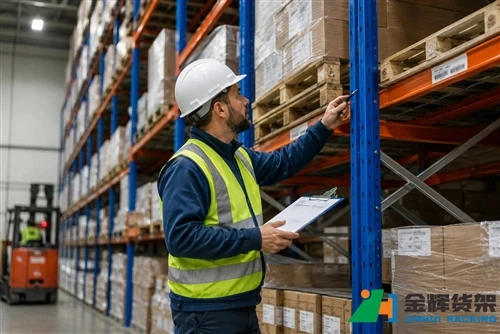
Pallet racking is an industrial storage system designed to store palletized goods in horizontal rows with multiple vertical levels. It allows warehouses to maximize space utilization, improve inventory organization, and increase operational efficiency.

Why Pallet Racking Is Essential in Modern Warehousing
Without pallet racking, warehouses would rely on floor stacking, which wastes vertical space and reduces efficiency. A well-designed racking system can increase storage capacity by more than 50% while improving accessibility and safety.
- Maximizes vertical storage space
- Improves picking speed and accuracy
- Enhances warehouse safety
- Supports scalable business growth
Main Types of Pallet Racking Systems
1. Selective Pallet Racking
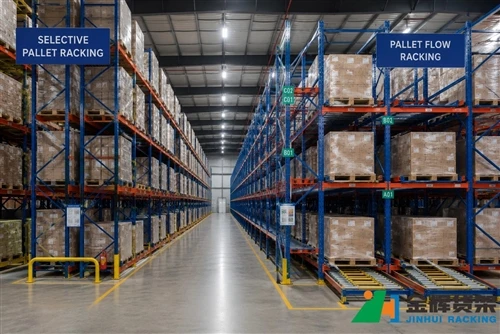
The most common system offering direct access to every pallet. Ideal for warehouses with a wide variety of SKUs and fast-moving goods.
2. Drive-In / Drive-Through Racking
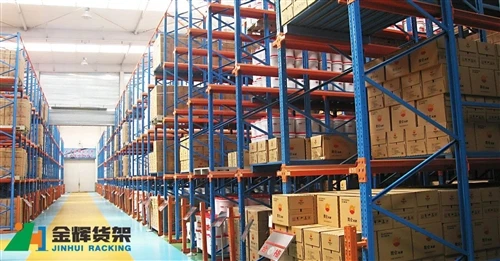
This high-density system allows forklifts to drive into the rack structure. Best suited for bulk storage of similar products with low SKU variety.
3. Push Back Racking
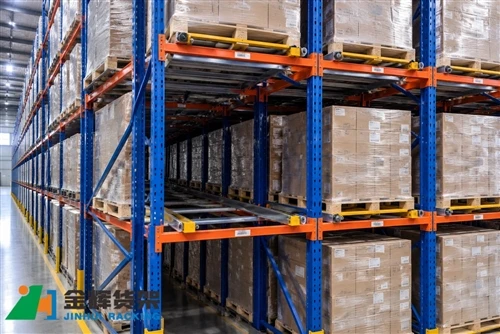
Uses a nested cart system on inclined rails, allowing multiple pallets to be stored in depth while maintaining accessibility.
4. Pallet Flow Racking
Also known as gravity flow racking, this system uses rollers to automatically move pallets from loading to picking side, supporting FIFO inventory management.
5. Cantilever Racking
Designed for long or irregular items such as pipes, lumber, or steel bars.
Pallet Racking vs Shelving: What's the Difference?
Many warehouse operators confuse pallet racking with shelving systems. The key differences include:
- Pallet racking is designed for forklift handling
- Shelving is typically manual picking
- Racking supports heavier loads
- Shelving is better for small items
How to Design a Pallet Racking System
Designing an efficient racking system requires careful planning and analysis.
1. Warehouse Layout
Consider ceiling height, column spacing, and aisle width.
2. Pallet Size and Weight
Your rack configuration must match load capacity requirements.
3. Forklift Type
Different forklifts require different aisle widths and rack heights.
4. Inventory Flow (FIFO vs LIFO)
This determines whether you need selective, drive-in, or flow racking systems.
Pallet Racking Cost: What Affects the Price?
The cost of pallet racking systems varies depending on several factors:
- System type (selective vs high-density)
- Steel material quality
- Rack height and load capacity
- Warehouse layout complexity
While selective racking is the most cost-effective option, high-density systems provide better long-term ROI by maximizing storage capacity.
How to Choose the Right Pallet Racking System
Choosing the right system depends on your operational goals:
- High SKU variety: Selective racking
- High-density storage: Drive-in or push-back
- Fast inventory turnover: Pallet flow racking
- Limited space: High-density systems
Applications of Pallet Racking
Pallet racking systems are widely used across industries:
- Logistics and distribution centers
- E-commerce fulfillment warehouses
- Manufacturing plants
- Cold storage facilities
Explore Professional Pallet Racking Solutions
If you are planning to upgrade your warehouse storage system, explore a full range of solutions here: pallet racking systems. This page provides detailed configurations and application scenarios.

Common Mistakes to Avoid
- Ignoring load capacity limits
- Choosing the wrong system type
- Poor aisle planning
- Lack of future scalability consideration
FAQ About Pallet Racking
What is the most common pallet racking system?
Selective pallet racking is the most widely used due to its flexibility and accessibility.
How long does pallet racking last?
With proper maintenance, pallet racking systems can last 10–20 years or more.
Is pallet racking customizable?
Yes, most systems can be customized based on warehouse size, load requirements, and operational needs.
Conclusion
Pallet racking is a critical component of efficient warehouse operations. By understanding different types, design considerations, and cost factors, businesses can choose the right system to maximize efficiency and reduce long-term costs.