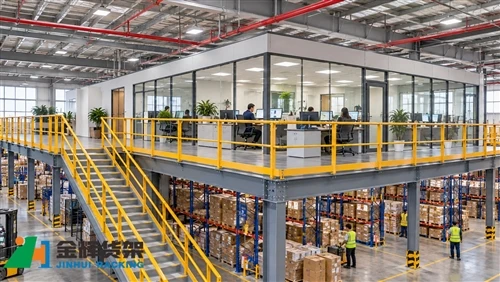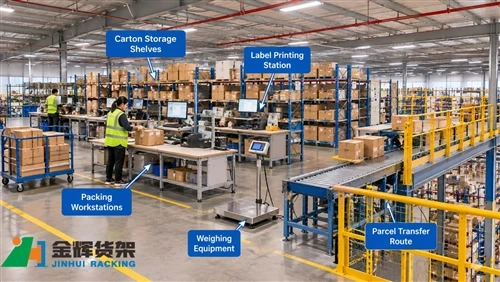
Selecting the right warehouse storage system is essential for improving space utilization, operational efficiency, and inventory management. Different products require different storage solutions, and choosing an unsuitable rack system may lead to inefficient warehouse operations.
Heavy duty pallet racking and cantilever racking are two commonly used industrial storage systems. Although both are designed for heavy-duty applications, they serve different purposes.
Heavy duty pallet racking is mainly designed for palletized goods, while cantilever racking is specifically developed for storing long and irregular materials such as steel pipes, timber, profiles, and construction materials.
Understanding the differences between these two systems helps warehouse managers select the most suitable storage solution for their products and workflow.

What Is Heavy Duty Pallet Racking?
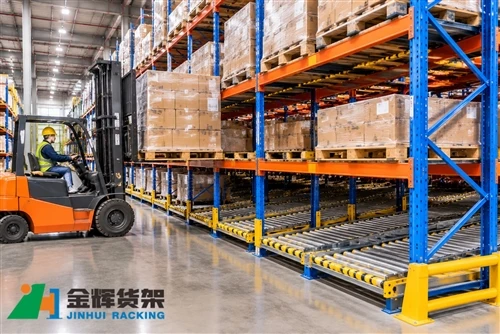
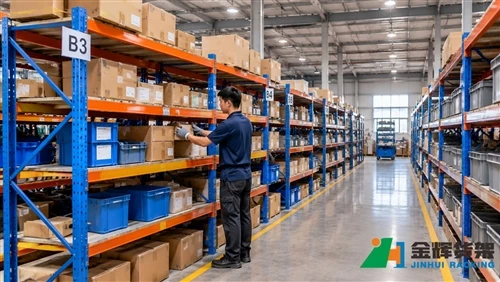
Heavy duty pallet racking is one of the most widely used warehouse storage systems for storing palletized products. It provides strong load capacity, flexible configurations, and direct access to stored pallets.
This system is commonly used in:
- Distribution centers.
- Manufacturing warehouses.
- Logistics facilities.
- E-commerce warehouses.
- Industrial storage buildings.
Key characteristics include:
- Adjustable beam levels.
- High load-bearing capacity.
- Compatibility with forklifts.
- Easy inventory management.
- Flexible warehouse layout options.
Heavy duty pallet racking is an ideal choice for companies storing boxed products, palletized goods, and finished inventory.
What Is Cantilever Racking?
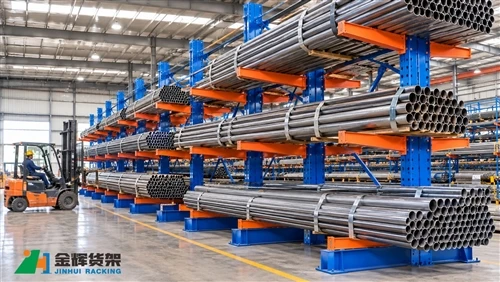
Cantilever racking is a specialized storage system designed for long, oversized, or irregularly shaped materials that cannot be efficiently stored on traditional pallet racks.
Unlike pallet racking systems that use front and rear frames connected by beams, cantilever racks use horizontal arms extending from vertical columns to support products.
Common applications include:
- Steel pipes.
- Lumber and timber.
- Aluminum profiles.
- Furniture materials.
- Construction products.
The open-front design allows forklifts and operators to easily access long materials without structural obstruction.
Main Structural Differences
Heavy Duty Pallet Racking Structure
Heavy duty pallet racks consist of:
- Upright frames.
- Horizontal beams.
- Pallet supports.
- Safety accessories.
The design focuses on supporting pallets stored at multiple levels.
Cantilever Racking Structure
Cantilever racks typically include:
- Vertical columns.
- Horizontal arms.
- Base supports.
- Bracing systems.
The structure provides open access for storing long products of different lengths.
Storage Application Comparison
The biggest difference between these two systems is the type of products they are designed to store.
Heavy Duty Pallet Racking Applications
- Palletized goods.
- Finished products.
- Cartons and containers.
- Manufacturing inventory.
- Distribution products.
Cantilever Racking Applications
- Long steel materials.
- Wood products.
- Pipes and tubes.
- Building materials.
- Large irregular items.
Choosing between these systems depends mainly on product dimensions, handling methods, and warehouse operation requirements.
Load Capacity Comparison
Both heavy duty pallet racking and cantilever racking are designed for industrial applications, but their load-bearing structures are optimized for different types of products.
Heavy Duty Pallet Racking Load Capacity
Heavy duty pallet racking is engineered to support concentrated pallet loads distributed across beams and frames. The capacity depends on factors such as rack height, beam size, upright specifications, and warehouse design requirements.
Typical factors affecting pallet rack capacity include:
- Pallet weight.
- Number of storage levels.
- Rack height.
- Beam span length.
- Load distribution.
For warehouses storing standard pallets, heavy duty pallet racking provides an efficient and reliable storage solution.
Learn more about rack capacity planning:
How Much Weight Can a Heavy Duty Selective Pallet Rack Hold?
Cantilever Racking Load Capacity
Cantilever racking supports loads through horizontal arms attached to vertical columns. The design allows materials to rest directly on the arms, making it suitable for long and heavy products.
Cantilever rack capacity depends on:
- Arm length.
- Column height.
- Material weight.
- Number of storage levels.
- Base structure design.
For long materials such as steel pipes or timber, cantilever racks provide better support and easier handling compared with conventional pallet racks.
Warehouse Space Utilization Comparison
Space utilization is another important factor when selecting between heavy duty pallet racking and cantilever racking.
Heavy Duty Pallet Racking Space Efficiency
Heavy duty pallet racks maximize vertical warehouse space by using multiple storage levels. This makes them suitable for warehouses with high ceilings and large quantities of palletized products.
Advantages include:
- Excellent vertical storage capability.
- Multiple pallet positions per bay.
- Efficient use of warehouse height.
- Suitable for high-volume inventory.
Cantilever Racking Space Efficiency
Cantilever racks are designed to store long materials that cannot be efficiently placed on pallet racks. Their open structure allows products of different lengths to be stored without front frame restrictions.
Advantages include:
- Flexible storage for oversized products.
- Easy product identification.
- Open access for loading operations.
- Better organization of long materials.
Forklift Operation Comparison
Material handling equipment requirements are different for these two storage systems.
Forklift Operation with Heavy Duty Pallet Racking
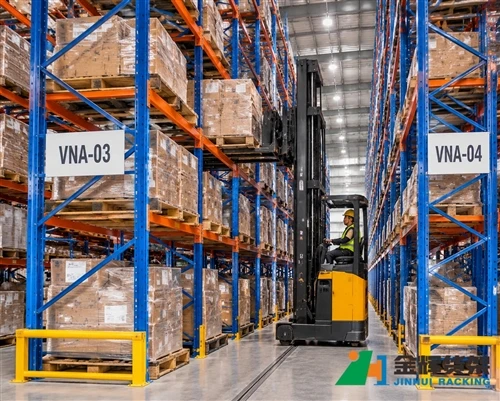
Heavy duty pallet racking works with common warehouse forklifts, including counterbalance forklifts and reach trucks.
Operators can directly access pallets from aisles, making daily warehouse operations simple and efficient.
Forklift Operation with Cantilever Racking
Cantilever racking is commonly used with forklifts equipped with suitable forks for handling long materials.
Depending on the application, warehouses may use:
- Side loaders.
- Counterbalance forklifts.
- Long fork attachments.
- Special material handling equipment.
Cost Comparison
The cost difference between these two systems depends on design requirements, materials stored, and warehouse conditions.
Heavy Duty Pallet Racking Investment
Heavy duty pallet racking generally provides a cost-effective solution for standard pallet storage because of its modular design and wide application range.
Cost advantages include:
- Standardized components.
- Easy expansion.
- Wide forklift compatibility.
- Simple maintenance.
Cantilever Racking Investment
Cantilever racking may require stronger structural components because it is designed for long and heavy materials.
Investment factors include:
- Required arm capacity.
- Material length.
- Storage height.
- Base design.
Although the initial investment may vary, choosing the correct rack system helps prevent inefficient storage and unnecessary operational costs.
Which Industries Use These Storage Systems?
Industries Using Heavy Duty Pallet Racking
- Logistics and distribution.
- Automotive manufacturing.
- Food and beverage storage.
- Pharmaceutical warehouses.
- E-commerce fulfillment.
Industries Using Cantilever Racking
- Steel processing.
- Construction materials.
- Wood manufacturing.
- Furniture production.
- Aluminum and metal industries.
Many large industrial facilities use both systems together. Heavy duty pallet racking handles palletized inventory, while cantilever racks manage long or oversized materials.
Advantages and Limitations
| Comparison | Heavy Duty Pallet Racking | Cantilever Racking |
|---|---|---|
| Main Application | Palletized products | Long and oversized materials |
| Storage Access | Front pallet access | Open front access |
| Vertical Storage | Excellent | Good |
| Best For | Boxes, pallets, finished goods | Pipes, timber, steel products |
| Forklift Requirement | Standard forklifts | Material-specific handling equipment |
| Flexibility | High | High for long products |
How to Choose Between Heavy Duty Pallet Racking and Cantilever Racking?
Choosing between heavy duty pallet racking and cantilever racking depends mainly on the type of products stored, warehouse workflow, and handling requirements.
Before selecting a storage system, warehouse managers should evaluate the following factors:
- Product dimensions and weight.
- Storage frequency.
- Available warehouse space.
- Forklift type.
- Future expansion plans.
Choose Heavy Duty Pallet Racking When:
- Your products are stored on standard pallets.
- You need direct access to every pallet location.
- Your warehouse contains many different SKUs.
- Inventory turnover is high.
- You require a flexible storage system.
Heavy duty pallet racking is especially suitable for warehouses that focus on efficient pallet storage and fast inventory movement.
Choose Cantilever Racking When:
- You store long or irregular materials.
- Products cannot be placed efficiently on pallets.
- You need open-front storage access.
- You handle steel, timber, pipes, or construction materials.
Cantilever racking provides a practical solution for industries where product length and shape are the main storage challenges.
Can Heavy Duty Pallet Racking and Cantilever Racking Be Used Together?
Yes. Many modern industrial warehouses combine heavy duty pallet racking and cantilever racking to create a more efficient storage layout.
A combined storage solution allows companies to organize different product categories according to their characteristics.
For example:
- Palletized finished products can be stored on heavy duty pallet racks.
- Steel pipes and profiles can be stored on cantilever racks.
- Raw materials can be separated from finished inventory.
- Different handling zones can improve warehouse efficiency.
This approach helps warehouses maximize space utilization while maintaining convenient product access.
Common Mistakes When Selecting Warehouse Storage Systems
Choosing Based Only on Rack Price
The cheapest rack solution may not always provide the best long-term value. Warehouse operators should consider durability, load requirements, installation quality, and future expansion.
Ignoring Product Characteristics
Different products require different storage methods. Using pallet racks for long materials or cantilever racks for standard pallets may reduce warehouse efficiency.
Not Considering Future Growth
Warehouse requirements often change as businesses expand. A properly designed storage system should allow future modifications and additional capacity.
Overlooking Warehouse Workflow
Rack selection should consider forklift movement, picking operations, loading areas, and employee safety.
Why Professional Warehouse Rack Design Matters
A professional warehouse rack design helps ensure that the storage system matches operational requirements and safety expectations.
Experienced rack manufacturers can provide support with:
- Warehouse layout planning.
- Load capacity calculations.
- Rack configuration design.
- Safety accessory recommendations.
- Installation guidance.
Proper planning improves storage efficiency and reduces future modification costs.
For more information about selecting a suitable supplier, visit:
How to Choose a Reliable Heavy Duty Pallet Rack Manufacturer
Frequently Asked Questions
Can cantilever racks replace heavy duty pallet racks?
No. Cantilever racks and pallet racks are designed for different applications. Cantilever systems are mainly used for long materials, while pallet racks are designed for palletized goods.
Which rack system has higher load capacity?
Both systems can support heavy loads when properly designed. The suitable choice depends on the product type, rack configuration, and engineering requirements.
Are cantilever racks suitable for warehouses?
Yes. Cantilever racks are widely used in industrial warehouses that store long products such as steel, timber, pipes, and profiles.
Can heavy duty pallet racks store oversized products?
Standard pallet racks are mainly designed for palletized goods. Oversized or unusually shaped materials are usually better suited for cantilever storage systems.
Which storage system saves more warehouse space?
The answer depends on the product type. Heavy duty pallet racking provides excellent vertical pallet storage, while cantilever racking offers better organization for long materials.
Conclusion
Heavy duty pallet racking and cantilever racking are both reliable industrial storage solutions, but they are designed for different warehouse applications.
Heavy duty pallet racking is the preferred choice for palletized goods, distribution operations, and warehouses requiring flexible inventory management. Cantilever racking is better suited for long, heavy, and irregular materials that require open access storage.
By evaluating product characteristics, warehouse space, handling equipment, and future requirements, businesses can select the most efficient storage solution for their operations.
Customized Industrial Storage Solutions from JINHUI Rack
JINHUI Rack provides professional warehouse storage solutions including heavy duty pallet racking systems and customized industrial rack designs for different applications.
With experienced engineering support and manufacturing capabilities, we help customers optimize warehouse space, improve storage efficiency, and build reliable long-term storage systems.
Explore our Heavy Duty Selective Pallet Racking System for more information.
Welcome to JINHUI Rack! As your trusted warehouse storage expert, we provide customized pallet racking solutions based on your storage needs. Contact us for professional support.
WhatsApp:
+8618502527163
Email:
info@jhrack.com