What Is Drive-In Racking in Cold Storage?
Drive-in racking is a high-density storage system where forklifts enter the racking lanes to store and retrieve pallets. Unlike selective pallet racking, this system eliminates multiple aisles and allows pallets to be stored in deep lanes.
This structure is especially suitable for cold storage warehouses, where reducing aisle space directly lowers energy consumption and increases storage capacity.
In fact, drive-in racking can significantly increase storage density by reducing aisles and maximizing space utilization, making it ideal for freezer environments. :contentReference
Drive-In Racking in Cold Storage (Real Application)


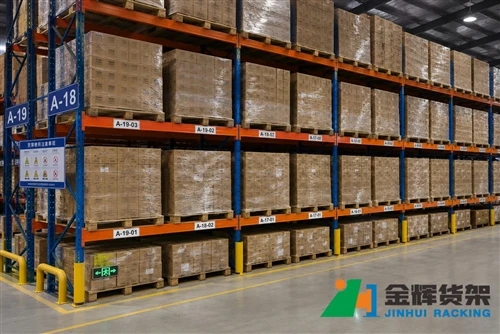
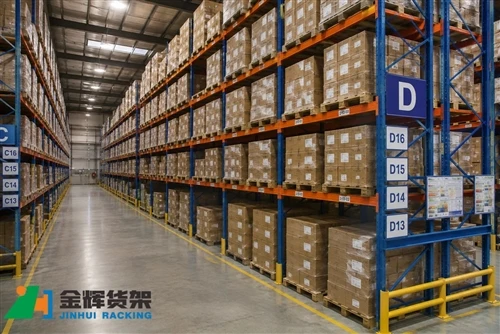
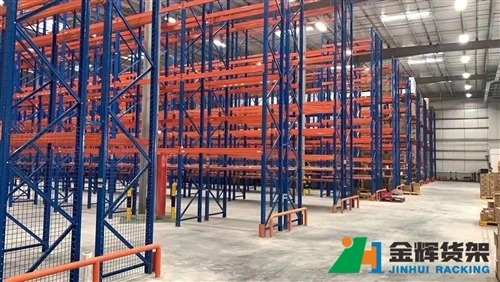
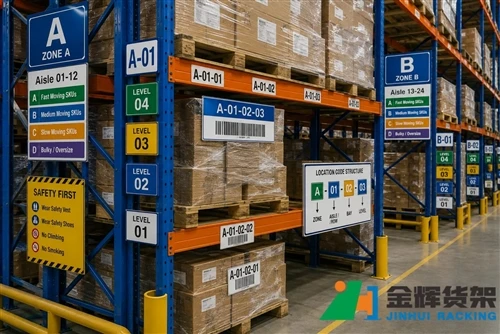
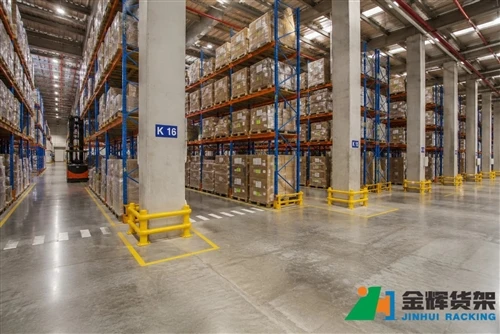
The images above show real applications of drive-in racking inside cold storage warehouses, where deep-lane storage is used to maximize capacity and minimize refrigerated space.
Why Drive-In Racking Is Ideal for Cold Storage
1. Maximum Storage Density
By eliminating most aisles, drive-in racking can increase storage capacity by up to 70–80% compared to selective pallet racking. This is critical in cold storage, where every cubic meter is expensive to maintain.
2. Reduced Energy Consumption
Fewer aisles mean less air volume to cool, which directly reduces refrigeration costs and improves energy efficiency.
3. Ideal for Bulk Storage
Drive-in systems are best suited for storing large quantities of the same SKU, such as frozen food, meat, or dairy products. :contentReference[oaicite:1]{index=1}
4. Optimized Space Utilization
In high-cost cold storage environments, maximizing vertical and horizontal space is essential. Drive-in racking achieves this by using deep storage lanes.
Drive-In vs Selective Pallet Racking (Cold Storage)
| Factor | Drive-In Racking | Selective Pallet Racking |
|---|---|---|
| Storage Density | Very High (deep lane storage) | Low to Medium |
| Accessibility | Limited (LIFO) | 100% direct access |
| Best for SKU | Few SKUs, large volume | Multiple SKUs |
| Energy Efficiency | High (less cooling space) | Lower |
| Application | Cold storage, freezer warehouses | General warehouse |
If you want to understand standard systems, you can also read our pallet racking for cold storage guide.
Limitations of Drive-In Racking
1. Limited Selectivity
Since drive-in racking operates on a LIFO basis, it is not suitable for products that require strict FIFO rotation.
2. Higher Risk of Damage
Forklifts entering narrow lanes increase the risk of impact damage if not properly managed.
3. Not Suitable for High SKU Variety
This system is designed for bulk storage rather than diversified inventory.
When Should You Choose Drive-In Racking?
- Cold storage or freezer warehouse
- High volume, low SKU inventory
- Need to reduce energy costs
- Limited warehouse space
Conclusion
Drive-in racking is one of the most efficient storage solutions for cold storage warehouses. While it sacrifices accessibility, it offers unmatched storage density and energy efficiency.
Choosing between drive-in and selective pallet racking depends on your inventory type, turnover rate, and operational priorities.
Need Help Choosing the Right Cold Storage Racking?
Our team can help you design a customized cold storage racking system based on your warehouse layout and product type.