What Is a Pallet Rack Mezzanine?
A pallet rack mezzanine is a multi-level warehouse storage system that combines pallet racking with an elevated platform structure. Instead of expanding warehouse floor space, businesses can utilize vertical space by adding additional storage levels above existing operations.
This type of system is commonly used in warehouses, logistics centers, manufacturing facilities, and distribution operations where floor space is limited but storage demand continues to increase.
A professionally designed pallet rack mezzanine system can significantly improve storage density while maintaining operational efficiency.

How Does a Pallet Rack Mezzanine Work?
A pallet rack mezzanine uses pallet racking uprights as part of the structural support system for an elevated platform. This creates multiple storage levels within the same warehouse footprint.
The lower level is typically used for pallet storage, while upper levels can be used for:
- Carton storage
- Order picking operations
- Inventory organization
- Light manufacturing or assembly
- Additional pallet storage
Access between levels is usually provided through stairs, lifts, conveyors, or pallet gates depending on warehouse requirements.
Why Warehouses Use Pallet Rack Mezzanines
Warehouse space is expensive, and expanding a facility often requires significant investment. A pallet rack mezzanine provides a cost-effective way to increase usable storage space without relocating or constructing a new building.
By utilizing unused vertical space, businesses can improve warehouse capacity while reducing operational congestion.
This solution is especially popular in urban warehouses where building expansion is limited or rental costs are high.
Main Advantages of Pallet Rack Mezzanine Systems
1. Maximizes Vertical Space
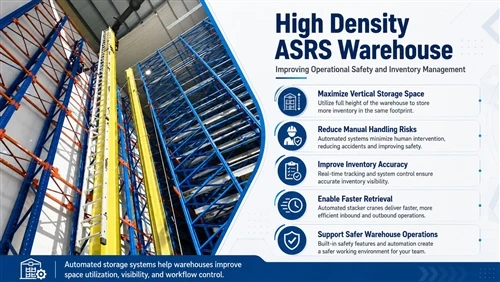
One of the biggest advantages of mezzanine systems is the ability to utilize warehouse height efficiently. Instead of only using floor-level storage, businesses can create multiple operational levels.
2. Increases Storage Capacity
Depending on the design, a mezzanine system can significantly increase storage capacity within the same footprint.
| Warehouse Layout | Estimated Space Utilization |
|---|---|
| Traditional Single-Level Storage | 30% – 40% |
| Pallet Rack Mezzanine System | 60% – 80% |
3. Improves Workflow Efficiency
Well-designed mezzanine systems can improve product organization and reduce travel time inside the warehouse.
4. Flexible and Customizable
Mezzanine systems can be customized for different industries, load requirements, and warehouse layouts.
Types of Pallet Rack Mezzanine Systems
There are several common mezzanine configurations used in warehouse applications:
Rack Supported Mezzanine
In this design, pallet racking acts as the structural support for the upper platform. This approach maximizes space efficiency.
Free Standing Mezzanine
A free-standing mezzanine uses independent columns and can be installed separately from the racking system.
Multi-Tier Mezzanine
Multi-tier systems include two or more elevated levels for high-density storage operations.

Pallet Rack Mezzanine vs Traditional Shelving
| Feature | Pallet Rack Mezzanine | Traditional Shelving |
|---|---|---|
| Vertical Space Usage | Excellent | Limited |
| Storage Density | High | Medium |
| Scalability | High | Limited |
| Customization | Extensive | Basic |
| Initial Investment | Higher | Lower |
Important Design Considerations
Designing a pallet rack mezzanine requires careful engineering and planning.
Load Capacity
The structure must safely support both static and dynamic loads, including stored products, equipment, and personnel.
Building Height
Available ceiling height determines the number of mezzanine levels that can be installed.
Floor Condition
The warehouse floor must be capable of supporting concentrated structural loads.
Fire Safety and Compliance
Mezzanine systems may require compliance with local fire codes, sprinkler regulations, and building standards.
Operational Flow
Warehouse traffic patterns, picking operations, and material handling methods should all be considered during system planning.
Typical Applications of Pallet Rack Mezzanines
Pallet rack mezzanine systems are widely used across multiple industries:
- E-commerce fulfillment centers
- Automotive parts warehouses
- Manufacturing facilities
- Retail distribution centers
- Cold storage operations
- Third-party logistics warehouses
How Much Weight Can a Pallet Rack Mezzanine Hold?
The load capacity of a mezzanine system depends on structural design, beam specifications, decking material, and column configuration.
| Application Type | Typical Load Capacity |
|---|---|
| Light Storage | 125 – 250 kg/m² |
| Medium Duty Warehouse | 250 – 500 kg/m² |
| Heavy Industrial Storage | 500+ kg/m² |
Professional engineering calculations are essential to ensure structural safety and long-term performance.
Why Work with a Source Factory?
Choosing an experienced source factory is critical for mezzanine projects because every warehouse has unique layout requirements and load conditions.
As a direct manufacturer, we provide customized mezzanine rack solutions designed according to warehouse dimensions, storage requirements, and operational workflow.
Working directly with a factory also helps reduce project costs, improve communication efficiency, and ensure better quality control throughout production.
You can explore our customized mezzanine rack steel platform solutions for different warehouse applications.
Final Thoughts
A pallet rack mezzanine is one of the most effective ways to maximize warehouse storage capacity without expanding floor space. By utilizing vertical space efficiently, businesses can improve storage density, workflow organization, and operational flexibility.
With proper engineering and customization, mezzanine systems can provide long-term value for warehouses seeking scalable and cost-effective storage solutions.