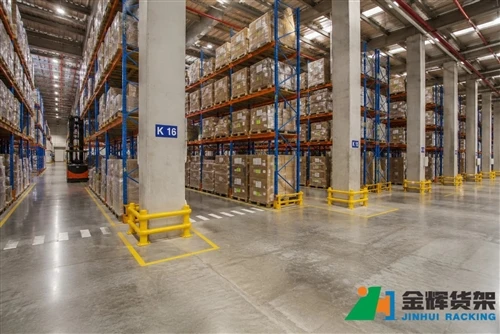
Pallet racking systems are one of the most widely used warehouse storage solutions in modern logistics and industrial facilities. Whether you operate a distribution center, manufacturing plant, or e-commerce warehouse, pallet racking plays a critical role in maximizing storage space, improving operational efficiency, and organizing palletized goods.
This comprehensive guide explains everything you need to know about pallet racking systems, including their types, structural components, load capacity, advantages, and how to choose the right racking solution for your warehouse.

What Is a Pallet Racking System?
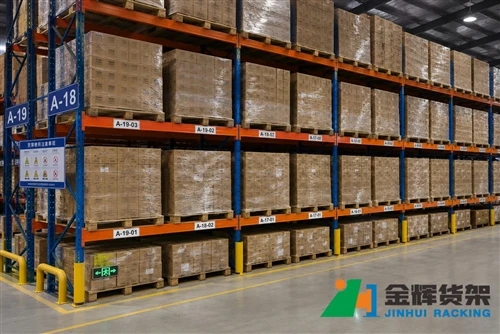
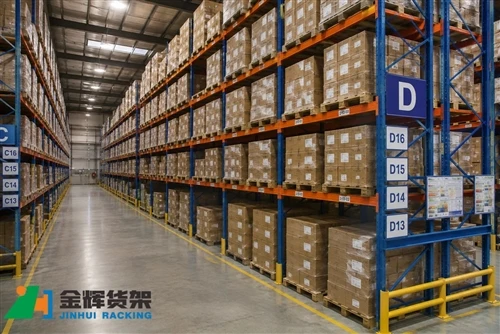
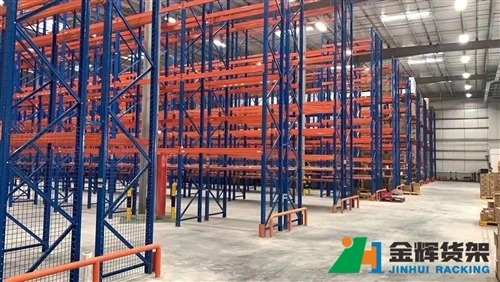
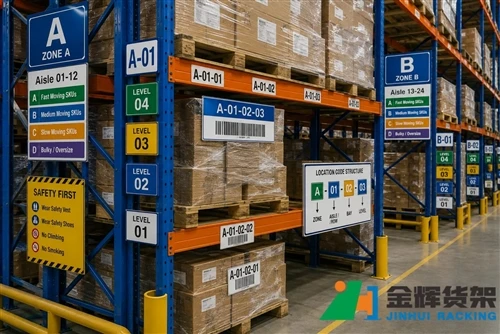
A pallet racking system is a material handling storage system designed to store palletized goods in horizontal rows with multiple vertical levels. The structure typically consists of upright frames and horizontal beams that support pallets.
Warehouses use forklifts or pallet jacks to load and retrieve pallets from the racking system. This vertical storage method allows businesses to maximize warehouse space while maintaining efficient inventory management.
Modern pallet racking systems are engineered to support heavy loads while maintaining safety and structural stability.
Types of Pallet Racking Systems
There are several types of pallet racking systems designed to meet different warehouse storage needs.
Selective Pallet Racking
Selective pallet racking is the most common type of warehouse racking system. It provides direct access to every pallet and works well for warehouses with a wide variety of products.
Drive In Pallet Racking
Drive in racking is designed for high-density storage. Forklifts enter the rack structure to store pallets in deep lanes, making it ideal for storing large quantities of similar products.
Push Back Racking
Push back racking systems use gravity and nested carts to store pallets in deep lanes. This system improves storage density while still allowing relatively fast pallet retrieval.
Pallet Flow Racking
Pallet flow racks use gravity roller systems to move pallets from the loading side to the picking side. This system follows a first-in, first-out (FIFO) inventory method.
Radio Shuttle Racking
Radio shuttle racking uses automated shuttle carts to move pallets inside deep storage lanes. This system increases storage density and reduces forklift travel.

Key Components of a Pallet Racking System
Understanding the components of pallet racking helps ensure proper installation and safe operation.
- Upright Frames: Vertical columns that support the entire racking structure.
- Beams: Horizontal supports that hold pallet loads.
- Bracing: Diagonal and horizontal supports that stabilize the structure.
- Base Plates: Connect the uprights to the warehouse floor.
- Wire Decking: Optional decking used to support pallets or loose items.
Pallet Rack Load Capacity
The load capacity of a pallet racking system depends on factors such as beam length, upright thickness, steel grade, and rack height.
Standard pallet rack systems typically support between 500 kg and 4000 kg per level. However, heavy-duty industrial racking systems can support even greater loads when properly engineered.
Proper load calculations and professional warehouse design are essential to ensure the safety and durability of pallet racking installations.

Advantages of Pallet Racking Systems
- Maximizes vertical warehouse storage space
- Improves inventory organization
- Supports heavy pallet loads
- Compatible with forklifts and automated systems
- Flexible and scalable warehouse storage solution
Industries Using Pallet Racking
Pallet racking systems are widely used across many industries, including:
- Logistics and distribution centers
- E-commerce fulfillment warehouses
- Manufacturing plants
- Food and beverage storage
- Cold storage warehouses
- Automotive parts storage
How to Choose the Right Pallet Racking System
Choosing the right pallet racking system depends on several key factors.
- Warehouse size and ceiling height
- Pallet weight and dimensions
- Inventory turnover rate
- Forklift type and aisle width
- Desired storage density
Careful warehouse planning can significantly improve storage efficiency and operational productivity.
Pallet Racking Design Tips
Professional warehouse racking design ensures both safety and efficiency. Some key considerations include:
- Optimizing aisle width for forklift movement
- Maximizing vertical storage height
- Balancing storage density and accessibility
- Ensuring proper load distribution
Why Choose JIN HUI Rack
JIN HUI Rack is a professional manufacturer specializing in industrial warehouse storage solutions. With over 20 years of industry experience and two manufacturing facilities, we provide high-quality racking systems for warehouses worldwide.
Our company offers OEM and ODM services and customized warehouse racking solutions designed to maximize storage efficiency and reduce operational costs.
Conclusion
Pallet racking systems remain one of the most efficient and reliable warehouse storage solutions for businesses that store palletized goods. By selecting the appropriate racking type and designing the system carefully, companies can dramatically improve warehouse space utilization and operational efficiency.
FAQ
What is the standard pallet racking size?
Standard pallet racking dimensions vary depending on warehouse requirements, but common beam lengths range from 1800 mm to 3600 mm.
How much weight can pallet racking hold?
Most pallet racking systems can support between 500 kg and 4000 kg per level depending on design specifications.
What is the most common pallet racking system?
Selective pallet racking is the most widely used warehouse racking system because it provides direct access to every pallet.
Need a Warehouse Racking Solution?
Choosing the right pallet racking system can significantly improve your warehouse efficiency and storage capacity. Our experienced engineers can help design a customized racking solution based on your warehouse layout, pallet size, and load requirements.
JIN HUI Rack has over 20 years of experience in manufacturing industrial warehouse storage systems and exporting to global markets.
Contact us for a free warehouse storage solution consultation.
📧 Email: info@jhrack.com
📱 WhatsApp: +86 185 0252 7163